

Zion National Park Travel Guide [Best 2026 Tips & Itinerary]
Zion National Park dazzles with red cliffs, epic hikes, and serene canyon views.
If you want a clear, expert-led zion national park travel guide, you are in the right place. I have planned, hiked, and photographed Zion in every season. This guide packs hard-won tips, current rules, and smart routes, so you can plan with calm and travel with confidence.
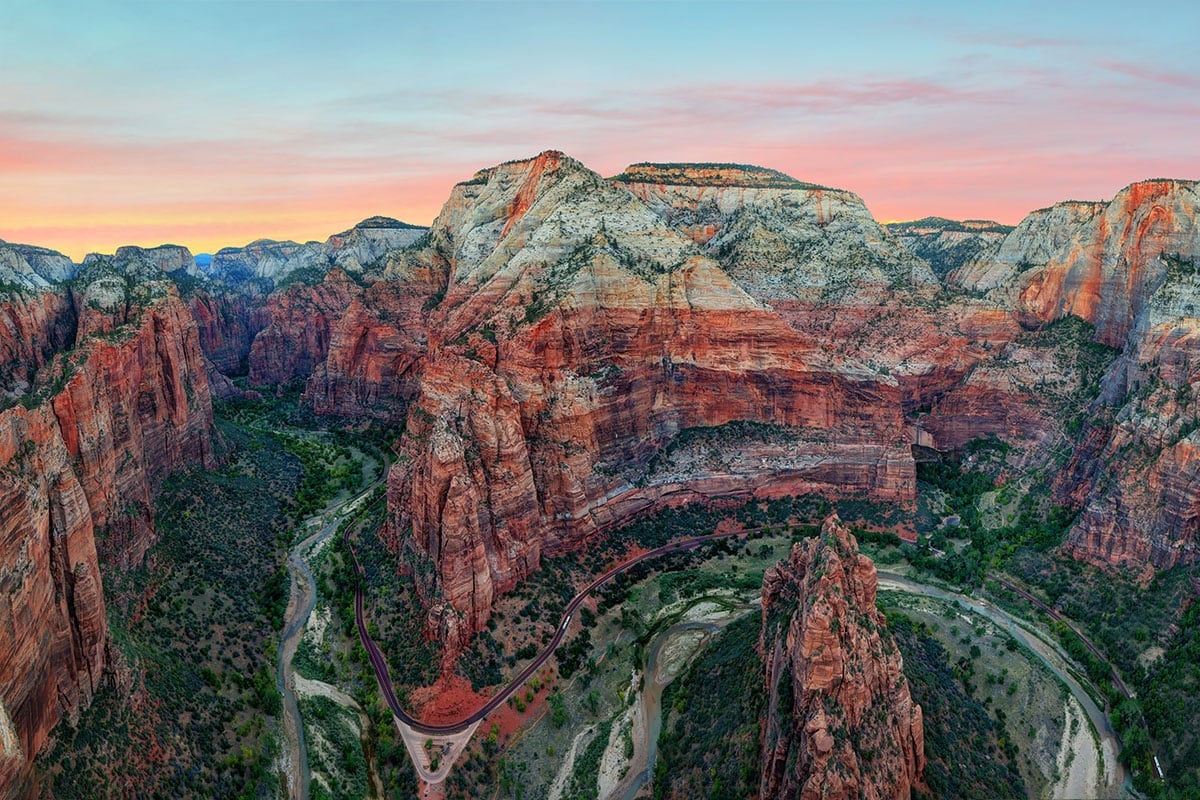
Best time to visit Zion
The best months are March to May and September to November. Days are warm, nights are cool, and crowds feel lighter than peak summer. This zion national park travel guide helps you match your trip to weather, crowds, and cost.
Summer is hot and busy. Trails bake in the sun and midday heat can be intense. If you must visit then, start at dawn, rest at noon, and hike again near sunset.
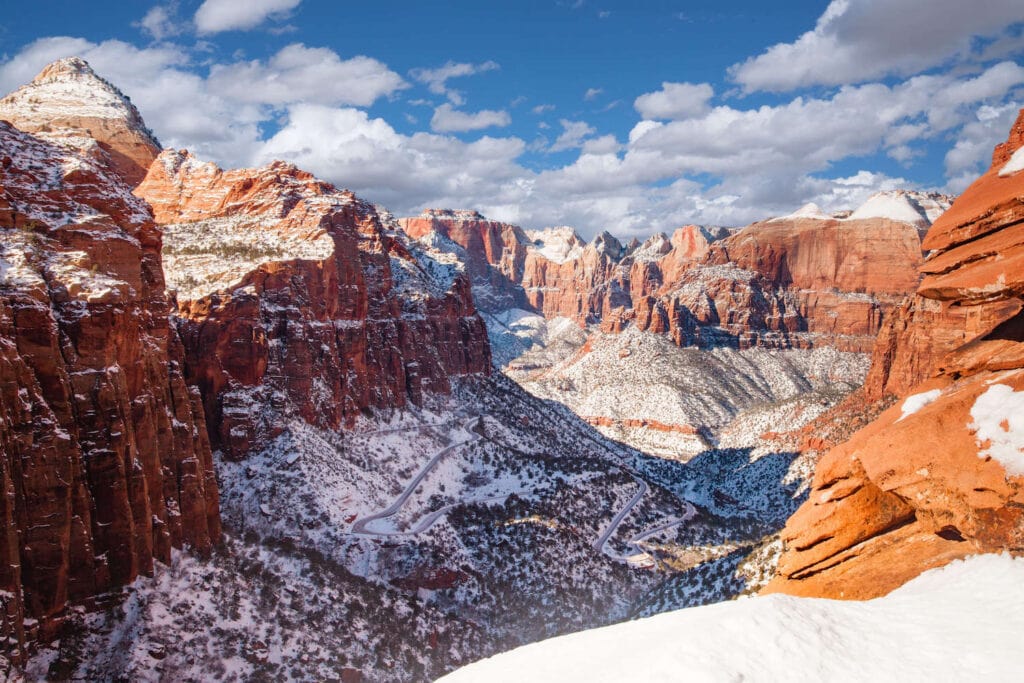
Winter is quiet and peaceful. You may see snow on red rock and thin crowds on big trails. Some paths can be icy, so take microspikes and check daily conditions.
Photographers love shoulder seasons. Light is softer and skies add drama. Wildlife moves more at dawn and dusk, which makes sightings more likely.
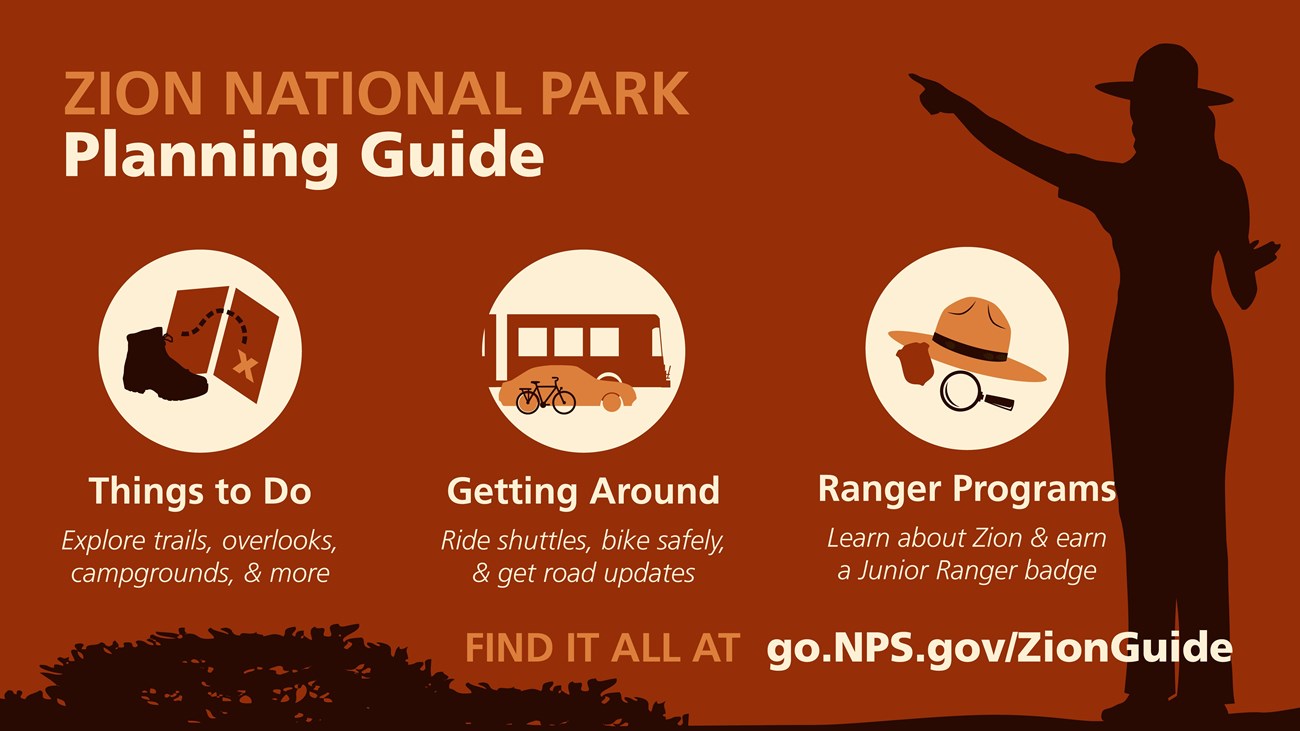
Getting there, fees, and park shuttles
This zion national park travel guide keeps transport simple. Fly into Las Vegas or St. George for the easiest access. Springdale sits at the south gate and acts as the park’s front porch.
Entrance fees are per vehicle and valid for seven days. The annual public lands pass can save money if you plan more parks. Buy in advance to speed up entry.
The Zion Canyon Scenic Drive uses a shuttle for most of the year. Private cars are not allowed during shuttle season. The shuttle is free after you pay park entry, and it stops at major trailheads.
The Zion–Mount Carmel Highway links the south and east entrances. The tunnel has size rules for large vehicles and a separate fee. Check current limits before you go.
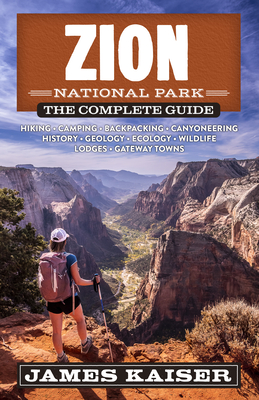
Permits and reservations you need
This zion national park travel guide will help you avoid permit stress. Angels Landing needs a permit from a lottery, either seasonal or day-before. Apply early and have a backup plan.
The Narrows bottom-up day hike does not need a permit when conditions allow. The top-down route and The Subway require permits. Canyoneering trips also need permits and skill.
Watchman Campground books fast, months ahead in peak times. South Campground has been under long-term improvement; check current status before you plan. Lava Point Campground on Kolob Terrace is first-come, first-served in season.
Big weekends fill Springdale hotels early. Book rooms 3–6 months ahead for spring and fall. If late to book, check Hurricane, La Verkin, or Kanab.
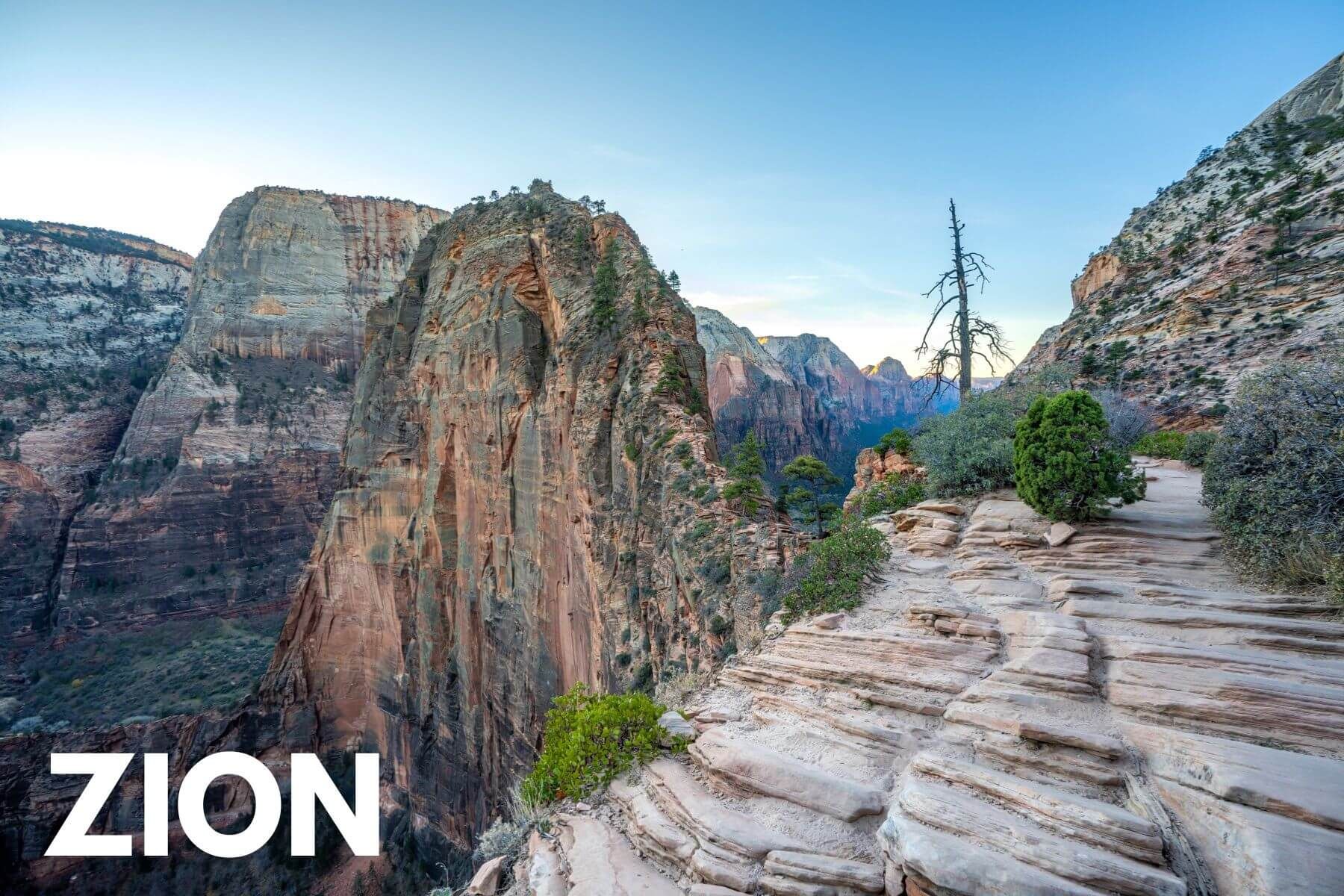
Top hikes and scenic drives
This zion national park travel guide favors safe, classic picks and a few quiet gems. Match the trail to your time, fitness, and the weather.
Top hikes
- Pa’rus Trail: Easy, paved, bike and pet friendly. Great at sunset.
- Emerald Pools: Lower and Upper routes. Family friendly, with shade and pools.
- Canyon Overlook: Short walk with huge payoff near the east entrance.
- The Narrows: Walk in the Virgin River. Check flow, temperature, and flash flood risk.
- Angels Landing: Permit required. Exposed chain section with big drop-offs.
- Observation Point (via East Mesa): A stunning rim view with less drop exposure.
Scenic drives
- Zion Canyon Scenic Drive: Shuttle-accessed, gorgeous walls, best for car-free travel.
- Zion–Mount Carmel Highway: Switchbacks, tunnel, and Checkerboard Mesa.
- Kolob Terrace Road: Quieter, access to Lava Point, high meadows, and views.
- Kolob Canyons Road: Short drive to red finger canyons and the Timber Creek Overlook.
Photography tips
- Dawn lights canyon rims with soft glow. Sunset warms walls with rich color.
- After rain, waterfalls stream off cliffs. Clouds add scale and drama.
- Polarizers help cut glare on wet rock. Bring a cloth to wipe spray.
Source: bearfoottheory.com
Suggested itineraries
Use this zion national park travel guide to plan your days with ease. Pick what fits your pace and season.
One day highlights
- Dawn at Canyon Overlook.
- Shuttle to Emerald Pools or Pa’rus Trail.
- Riverside Walk to the mouth of The Narrows.
- Museum stop and sunset near Court of the Patriarchs.
Two to three days
- Add The Narrows bottom-up on a cool day.
- Hike Angels Landing if you win a permit.
- Drive Kolob Terrace to Lava Point for sunset.
- Explore Kolob Canyons and the Timber Creek Overlook.
Family friendly
- Pa’rus Trail for bikes and strollers.
- Lower Emerald Pools for shade and water.
- Junior Ranger booklets at the visitor center.
- Midday break at Zion Lodge lawn for rest and snacks.

Where to stay and eat
This zion national park travel guide keeps lodging simple. You can stay in Springdale for easy shuttle access or in nearby towns for value.
Stays
- Springdale: Walk to the shuttle, many hotels, most costly in peak season.
- Watchman Campground: Riverside sites, reserve far ahead.
- Lava Point: Primitive, cooler temps in summer, dirt road access.
- Hurricane and La Verkin: Better prices, 30–45 minutes away.
- Kanab: Good base if you will also visit Bryce or the North Rim.
Food
- Zion Lodge has quick bites and a sit-down spot.
- Springdale offers coffee, pizza, Mexican, and farm-to-table.
- Stock up on water and trail snacks in town to save money.
My experience
- I book Springdale in spring and fall for low car stress.
- In summer, I go higher on Kolob Terrace for cooler nights.
- For sunrise shoots, being close to the gate is gold.
Safety, weather, and Leave No Trace
This zion national park travel guide puts safety first. Heat, storms, and flash floods can turn fast. Always check the weather, flash flood risk, and daily trail updates.
Heat safety
- Start early, carry at least one liter per hour in summer.
- Add electrolytes and salty snacks.
- Rest in shade midday and wet a bandana to cool down.
Water and flash floods
- The Narrows can close due to high flow. Do not enter with a flood warning.
- If water turns muddy or rises fast, get to high ground right away.
- Rent canyon shoes and a sturdy stick for river balance.
Leave No Trace
- Stay on trail, pack out all trash, and do not carve rock.
- Do not feed wildlife; store food well.
- Desert soil is fragile. Avoid stepping on crusts.

Packing list and gear tips
This zion national park travel guide keeps your pack light but smart. Bring layers, sun protection, and safe footwear.
Day pack basics
- Two to three liters of water, more in summer.
- Sun hat, sunscreen, sunglasses, and a light long-sleeve.
- Trail food, electrolytes, and a small first-aid kit.
- Map or offline app, headlamp, and a power bank.
Footwear and extras
- Grippy hiking shoes with good tread.
- Trekking poles for steep or slick rock.
- Neoprene socks and canyon shoes for The Narrows in cool months.
- Microspikes in winter for icy mornings.
Photo gear
- Wide-angle lens for tight canyon walls.
- Dry bag for river hikes.
- Lens cloths for spray and dust.
Budget and trip planning tips
This zion national park travel guide helps you save time and money. Book early, travel light, and use the shuttle.
Smart savings
- Visit in winter for lower hotel rates and fewer crowds.
- Share a car and split fuel and rooms.
- Pack lunches and refill water at the visitor center and lodge.
Timing tricks
- Enter the park before 7 a.m. to get parking.
- Hike early or late to avoid heat and lines.
- Plan a rest afternoon in Springdale, then enjoy sunset.
Booking moves
- Set fare alerts for LAS and SGU.
- Reserve Watchman Campground months ahead.
- If you miss Angels Landing, aim for Observation Point via East Mesa.
Frequently Asked Questions of zion national park travel guide
Do I need a permit for Angels Landing?
Yes. You must win a permit via lottery, either seasonal or day-before. Apply early and carry a backup hike in case you do not win.
Can I hike The Narrows without a guide?
Yes, when open you can hike bottom-up without a permit. Check river flow, water temperature, and flash flood risk on the day you go.
When does the shuttle run in Zion Canyon?
It runs most of the year during busy seasons. Outside shuttle season, you may drive your car on the scenic drive.
Is winter a good time to visit Zion?
Yes, if you like quiet trails and cool air. Bring warm layers and traction for icy spots, and expect some services to be limited.
Where should I stay for easy access?
Springdale is the best base for shuttle and food. For value, try Hurricane or La Verkin, about 30–45 minutes away.
How many days do I need?
Two to three days fit the main sights at a relaxed pace. One day still works for a highlight reel if you plan well.
Is Zion safe for kids and seniors?
Yes, with the right trails and timing. Choose Pa’rus Trail, Riverside Walk, and Lower Emerald Pools, and avoid exposed routes.
Conclusion
Zion rewards smart plans and early starts. Pick the right season, secure key permits, and match hikes to the day’s weather. With this zion national park travel guide, you can move with ease, see more, and stress less.
Now it is your turn. Sketch a simple plan, book your stay, and mark your must-do hikes. If this guide helped, share it with a friend, subscribe for more park tips, or drop your Zion questions in the comments.


