

Travel Budgeting Tips [Smart Ways To Save On Trips]
Plan costs early, track spending daily, and prioritize flexible savings for smarter travel.
I have guided travelers, planned corporate trips, and managed personal journeys for years. This article distills proven travel budgeting tips into clear steps you can use today. Read on to learn how to build realistic budgets, reduce major travel expenses, manage cash, and avoid common mistakes with practical examples from my own trips.
Why travel budgeting matters
A clear travel budget keeps goals realistic and prevents debt. Good travel budgeting tips help you choose destinations, set priorities, and make trade-offs before you book. When you know costs in advance, you travel with confidence and enjoy your trip more.
Preparing a realistic travel budget
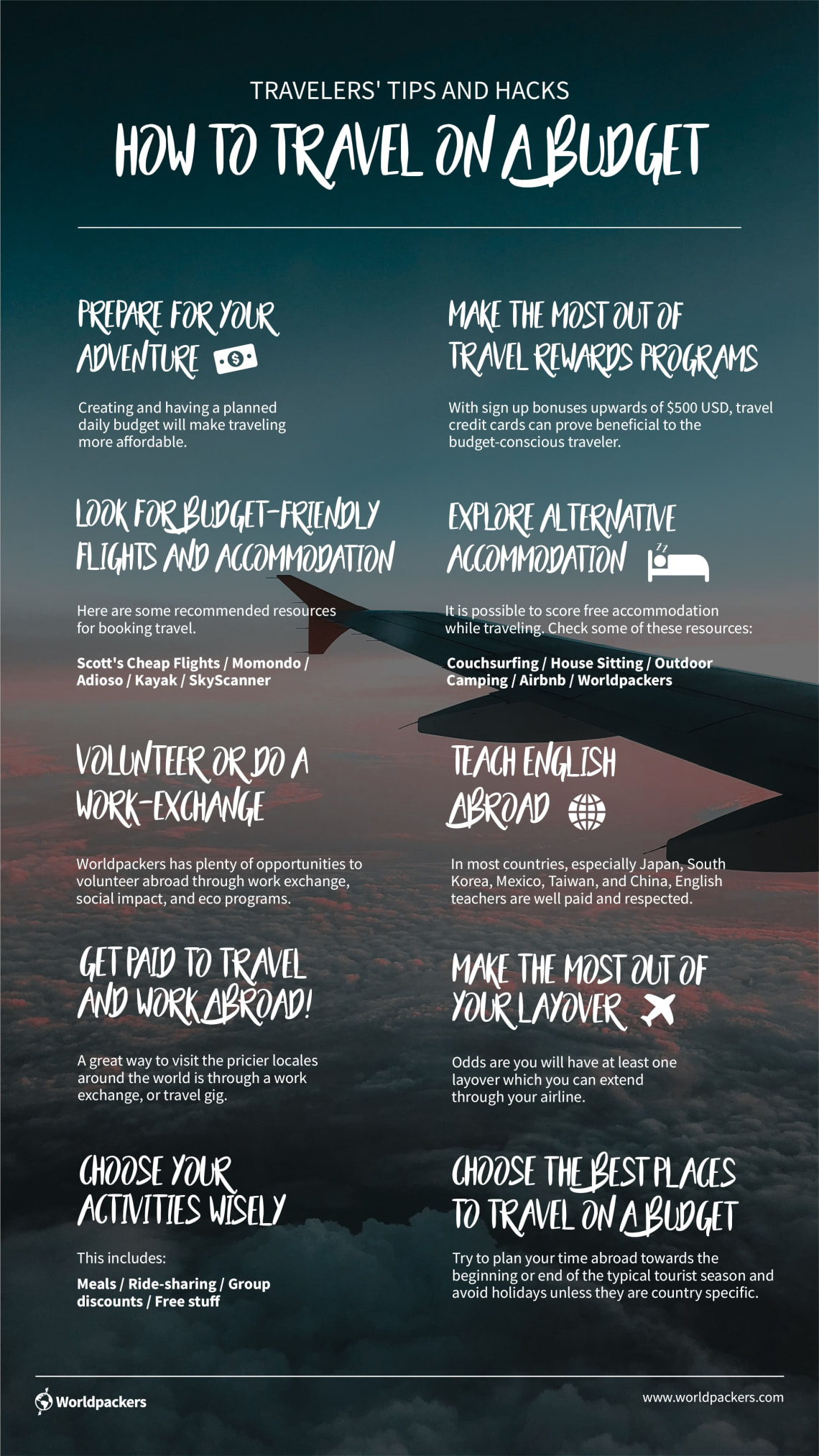
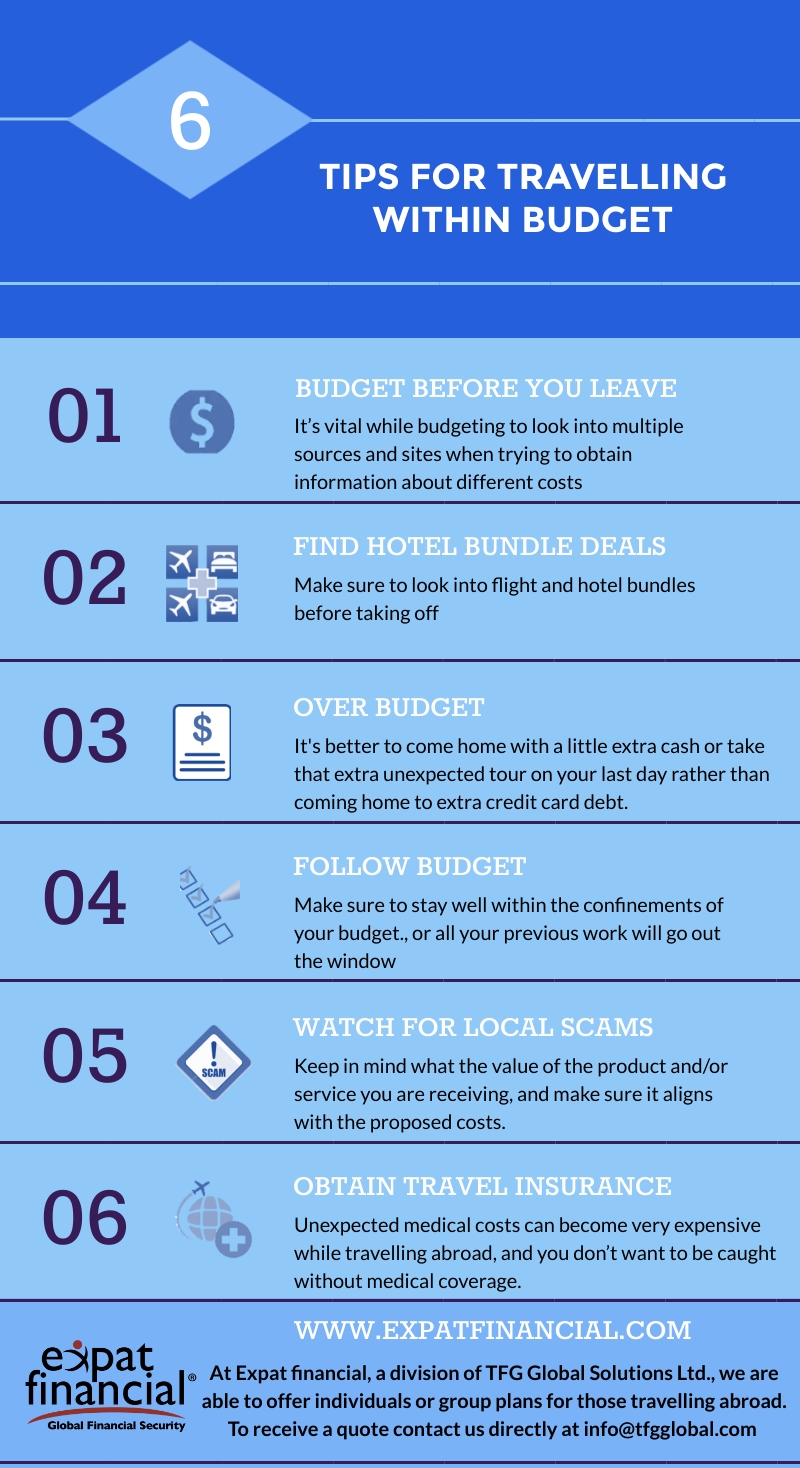
Start with total-trip estimation. Break the trip into major categories: transportation, lodging, food, activities, insurance, and contingencies. Use historical prices and current rates when possible to avoid surprises.
Plan daily spending limits. Multiply per-day estimates by trip length. Add a buffer of 10% to 20% for emergency costs. These travel budgeting tips help you avoid running out of funds mid-trip.
Track costs with simple tools. Use a spreadsheet or an app to record each expense. Review weekly while planning to adjust categories and priorities.
Saving on transportation
Transportation is often the largest travel expense. Use these travel budgeting tips to lower that bill and still travel comfortably.
- Compare flight dates and airports to find lower fares. Shifting by one day can cut cost.
- Consider trains, buses, or budget airlines for shorter routes. Book early for best prices.
- Use public transit and rideshare pooling at your destination to save daily expenses.
- When renting a car, compare total insurance and fuel costs versus local transit.
Example: On a recent trip, choosing a night bus saved two hotel nights and reduced total transport costs by nearly 30 percent.
Cutting costs on accommodation
Lodging varies widely and is easy to optimize with travel budgeting tips.
- Mix accommodations: combine hotels with short hostel stays or apartments to lower average cost.
- Book refundable rates early when prices are low, then rebook if rates drop.
- Use neighborhood research to avoid overpriced tourist squares while staying safe and accessible.
- Consider loyalty programs, credit card points, or home exchanges to reduce or eliminate lodging costs.
Personal note: I once saved a third of my trip budget by switching to a boutique guesthouse outside the city center and using public transit to reach key sights.
Smart food, activities, and local experiences
Food and activities add up fast. Apply these travel budgeting tips to enjoy local culture without overspending.
- Eat like a local at markets, food stalls, and neighborhood cafés rather than tourist restaurants.
- Buy groceries for some meals to lower costs and experience local life.
- Choose free or low-cost attractions, walking tours, and community events.
- Prioritize one or two big-ticket experiences and balance them with lower-cost days.
Tip: Free walking tours plus a paid specialized workshop often offer better value than daily paid sightseeing.
:max_bytes(150000):strip_icc()/GettyImages-1825278316-df5f291d61034fa3ab71563a4ab30333.jpg)
Money management tools and tips
Choose tools that simplify tracking, reduce fees, and protect you abroad. Good travel budgeting tips include smart money decisions.
- Use a dedicated travel budget app or a simple spreadsheet for daily tracking.
- Carry a mix of payment methods: one primary card, one backup card, and a small amount of local cash.
- Pick cards with no foreign transaction fees and monitor exchange rates.
- Set spending alerts on your bank app to detect overspending or fraud quickly.
I once avoided a large ATM fee by switching to a card offering fee reimbursements and planning cash withdrawals in advance.
:max_bytes(150000):strip_icc()/TAL-Backpacker-BUDGET0323-eeaf531276694f93966baa8fbcd2730d.jpg)
Common mistakes and how to avoid them
Many travelers make avoidable errors. These travel budgeting tips help prevent them.
- Underestimating local costs: research local prices for meals and transport before finalizing your budget.
- Ignoring hidden fees: check baggage fees, resort fees, and tourist taxes that add up quickly.
- Not booking in advance for peak seasons: last-minute prices spike for flights and hotels.
- Over-relying on credit without an emergency fund: keep a contingency cash buffer.
A realistic budget and a simple contingency plan reduce stress and improve your travel experience.
Personal experience and lessons learned
In my travel planning work I learned that flexibility multiplies value. A saved dollar in transportation can buy a unique local experience. Testing different booking strategies taught me to always compare total trip cost, not just headline prices.
Lesson highlights:
- Prioritize what matters to you and reallocate savings toward those priorities.
- Keep records of past trips to refine future budgets.
- Treat budgeting as part of the trip experience, not a constraint.
These travel budgeting tips reflect real trade-offs I’ve tested and refined over many trips.
Frequently Asked Questions about travel budgeting tips
How much should I budget per day for a trip?
Daily budgets depend on destination and travel style. Research typical costs for meals, transit, and activities in your destination and add a 20% buffer for safety.
What is the best way to track travel expenses?
Use a simple spreadsheet or a budget app and record expenses daily. Categories and regular reviews help you stay on track.
Should I buy travel insurance for every trip?
Travel insurance is recommended for international travel, trips with nonrefundable costs, or activities with higher risk. Compare coverage and exclusions before you purchase.
How far in advance should I book flights and hotels?
For most destinations, book flights 1 to 3 months ahead for domestic and 2 to 6 months for international travel to balance price and flexibility. Peak seasons may require earlier booking.
Can I travel on a tight budget without missing highlights?
Yes. Prioritize free or low-cost attractions, use local food options, and mix accommodation types. Smart planning and these travel budgeting tips make meaningful travel affordable.
Conclusion
Smart travel starts with disciplined planning, realistic estimates, and daily tracking. Use these travel budgeting tips to prioritize what matters, reduce major costs, and build a contingency plan. Take action now: create your first trip budget, pick one cost-saving strategy to test, and note results for your next trip. Share your experiences or subscribe for more practical advice and tools.


