

Travel Guide To Hawaii [Ultimate 2026 Itinerary & Tips]
Your essential travel guide to Hawaii covers timing, islands, budgets, transport, and culture.
Hawaii rewards smart planning. In this travel guide to Hawaii, I share expert tips from years of on-island visits, plus current best practices. You will learn when to go, which island fits your style, what to budget, and how to move with respect for local culture and nature. Read on for a clear, practical travel guide to Hawaii that turns ideas into a smooth, memorable trip.
Best time to visit
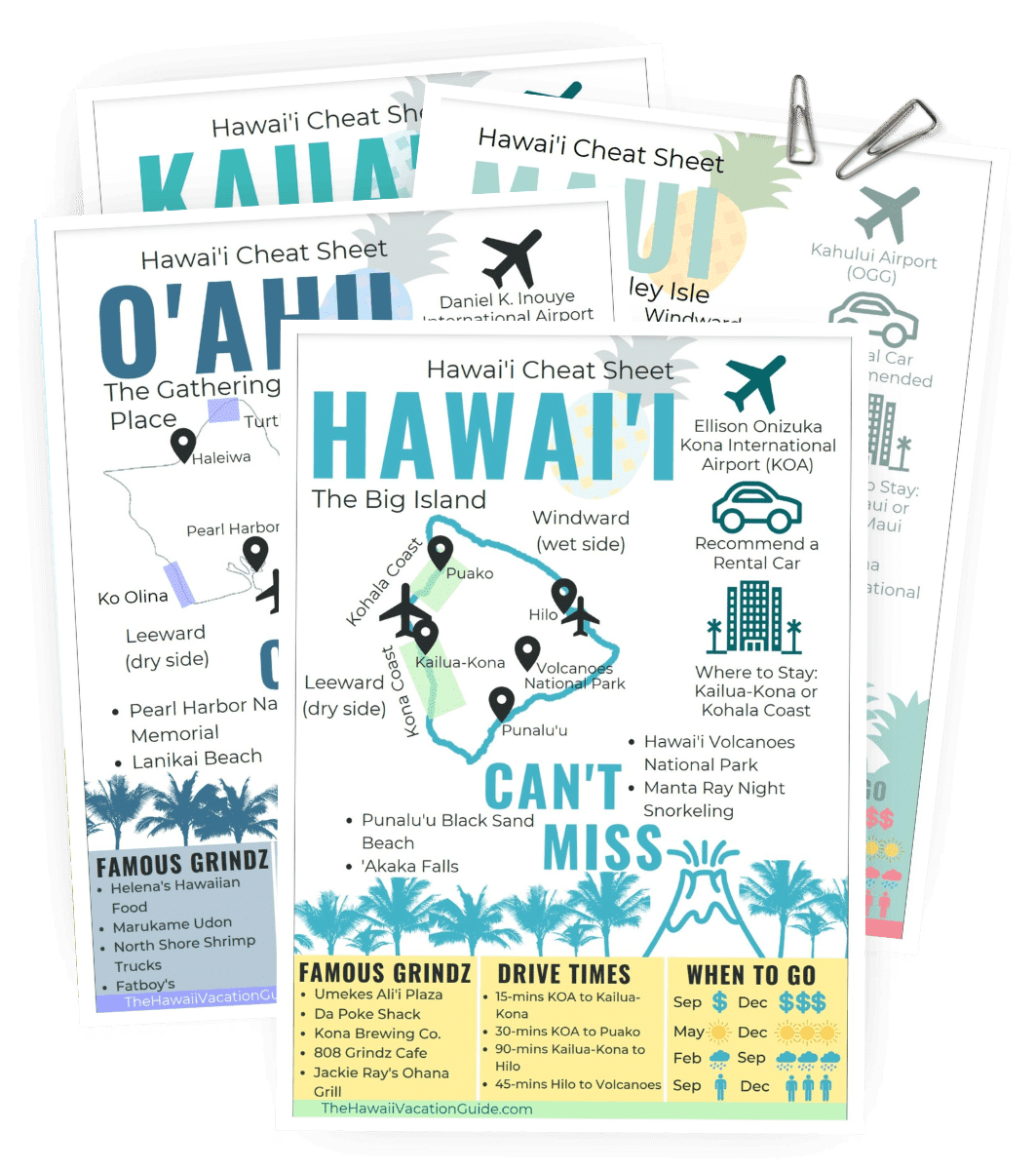
This travel guide to Hawaii helps you pick the right month for your goals. Winter brings big surf on north shores, whale watching, and higher prices. Summer offers calm seas on leeward beaches, longer days, and family crowds. Spring and fall are sweet spots with mild weather, lower rates, and fewer people.
Peak times are December to March and mid-June to mid-August. Expect higher airfares and hotel rates then. Holiday weeks sell out early. Shoulder seasons from mid-April to early June and September to mid-November often give the best value.
Weather is warm year-round. Trade winds keep it pleasant. Microclimates vary a lot. It can rain in Hilo while Waikiki is sunny. Check the forecast by region, not just by island. Pack light layers and a rain jacket for windward and upcountry areas.

Where to go: island-by-island guide
Use this travel guide to Hawaii to match islands to your style. Each island shines in a different way.
Oahu
- Best for first-timers, food, nightlife, and history.
- Highlights include Waikiki, Pearl Harbor, North Shore, and Lanikai Beach.
- TheBus is solid, yet a car is best for full freedom.
Maui
- Great for beaches, whale watching in winter, and scenic drives.
- See sunrise or sunset at Haleakalā. Drive the Road to Hāna with care.
- West Maui has reopened in stages. Respect closures and community needs.
Kauai
- Ideal for hikers and nature lovers.
- Explore the Nāpali Coast by boat or trail and Waimea Canyon by lookout and hikes.
- North Shore feels lush; weather can shift fast.
Hawai‘i Island (Big Island)
- Best for volcanoes, stargazing, and varied climates.
- Visit Hawai‘i Volcanoes National Park. Lava activity changes, so check conditions.
- Kona side is sunny. Hilo side is rainier and very green.
Lāna‘i
- Quiet and upscale, with rugged back roads and tide pools.
- Ferry from Maui or fly. A 4×4 opens more dirt routes.
Moloka‘i
- Old Hawaii feel, fewer visitors, and strong culture.
- Slow down and respect local life. Limited services, big heart.

Budget and trip costs
Our travel guide to Hawaii breaks down typical costs so you can plan with ease. Prices shift by season, island, and booking window.
Typical daily ranges per person
- Lodging: $150 to $500+ for hotels, more for top resorts.
- Car rental: $60 to $120 per day, plus taxes and fees.
- Meals: $25 to $60 for casual; $80+ for fine dining.
- Activities: $0 for beaches and hikes; $50 to $250+ for tours.
Ways to save
- Travel in shoulder months and mid-week.
- Book flights and cars early. Prices rise near travel dates.
- Mix dining: food trucks, plate lunches, and a few splurges.
- Stay in condos with kitchens to cut breakfast and lunch costs.
- Pick a few paid tours and fill the rest with free nature time.
I track costs with a simple spreadsheet. On my last trip, cooking three breakfasts saved about $120 across a week. That paid for a boat tour to see dolphins and flying fish off Kona.
Getting there and getting around
In this travel guide to Hawaii, I explain flights, inter-island travel, and driving. Most visitors fly into Honolulu (HNL). Maui (OGG), Kauai (LIH), and Kona (KOA) also get many direct flights. For multi-island trips, plan a logical loop to avoid backtracking through HNL.
Inter-island travel is fast by air. Flights are short, often 30 to 50 minutes. Build buffer time between flights for rental car returns and security. Ferries run only between Maui and Lāna‘i. There is no ferry to Kauai or the Big Island.
A rental car gives you the most freedom. Book early for peak seasons. On Oahu, TheBus is reliable yet takes longer than driving. Rideshares are common in urban areas. In rural areas, service can be spotty. Always park legal and never leave valuables in cars.

Sample itineraries
This travel guide to Hawaii includes simple plans that fit common trip lengths. Mix and match based on your flights and pace.
Seven days: first-timer on Oahu and Maui
- Days 1–3 Oahu: Waikiki, Pearl Harbor (reserve ahead), North Shore shrimp trucks, Lanikai pillbox hike.
- Days 4–7 Maui: Haleakalā sunrise reservation, Road to Hāna, Kāʻanapali beach time, Lahaina historic context with respect to current closures.
Ten days: nature focus on Kauai and the Big Island
- Days 1–4 Kauai: Nāpali boat tour, Waimea Canyon lookouts, Hanalei Bay, sunrise at Kilauea Lighthouse.
- Days 5–10 Big Island: Hawai‘i Volcanoes National Park, Kona beaches, night manta snorkel, Mauna Kea visitor area stargazing, Hilo waterfalls.
Pace yourself. On my first Road to Hāna, I tried to see it all. I learned to stop for fewer sights and linger. That day felt far better.
Culture, etiquette, and responsible travel
A careful travel guide to Hawaii must cover culture and care for the land. Hawai‘i holds deep traditions. Learn a few words. Aloha means hello and love. Mahalo means thank you. Kama‘āina refers to local residents.
Respect comes first. Stay on open, marked trails. Do not trespass onto private land or closed sites. Give space to wildlife. Remain at least 10 feet from sea turtles and 50 feet from monk seals. Pack out all trash. Use reef-safe sunscreen without oxybenzone or octinoxate.
Follow community rules. Ha‘ena State Park on Kauai and Haleakalā sunrise require reservations. Places can change rules to protect resources. Check official sites before you go. Support local businesses. Buy from farmers markets and craftspeople.

Top things to do and must-see spots
This travel guide to Hawaii lists highlights by theme so you can plan fast.
Nature and views
- Haleakalā Crater at sunrise or sunset on Maui.
- Nāpali Coast by boat or helicopter on Kauai.
- Hawai‘i Volcanoes National Park on the Big Island.
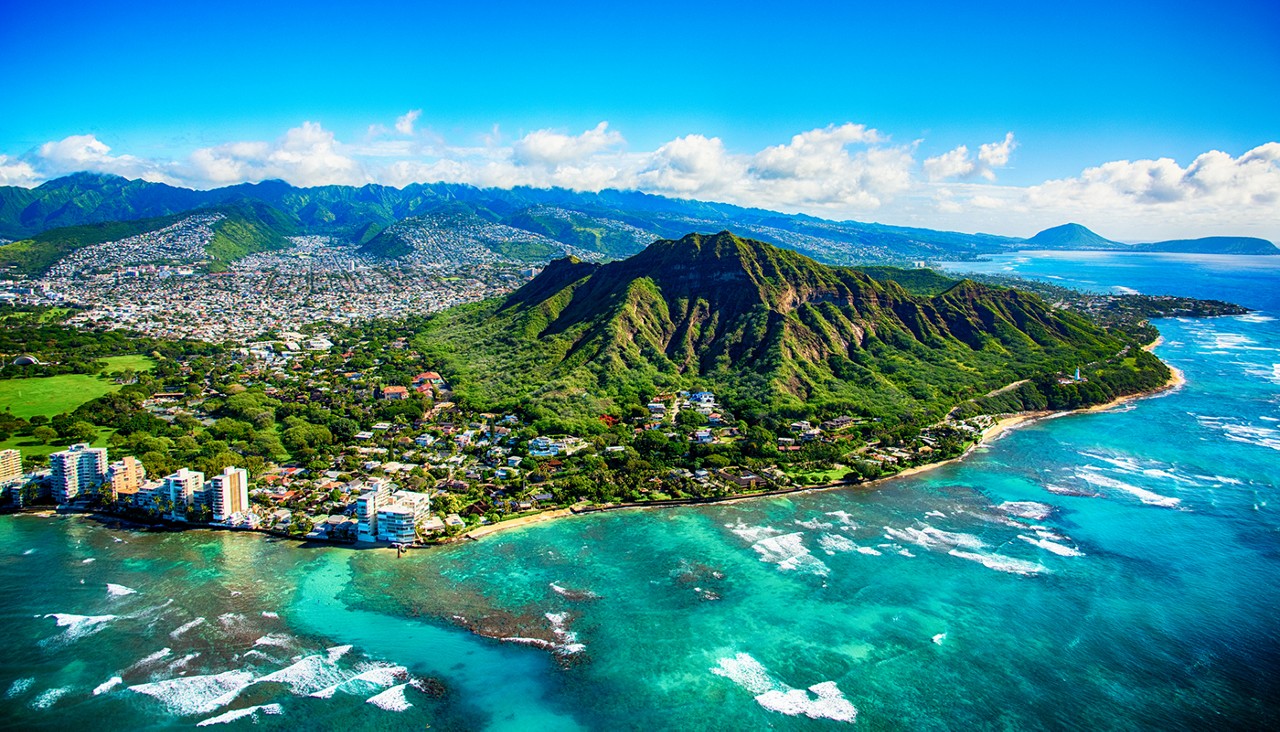
- Diamond Head hike and views on Oahu.
Water and wildlife
- Snorkel at Hanauma Bay (reservation needed) or Kapalua Bay.
- Night manta snorkel in Kona. Book with a responsible operator.
- Winter whale watching off Maui and Kauai.
History and culture
- Pearl Harbor National Memorial on Oahu. Reserve timed entry early.
- Polynesian Cultural Center and Bishop Museum on Oahu.
- Puʻuhonua o Hōnaunau National Historical Park on the Big Island.
One personal favorite is sunset at Puʻu Hinahina in Waimea Canyon. Golden light paints the ridges. It feels like a living painting.

Food and drink guide
In my travel guide to Hawaii, the food scene shines. Try poke bowls made with fresh ahi. Taste plate lunches with rice, mac salad, and katsu or kalua pork. Seek malasadas, shave ice, and lilikoi anything. Coffee lovers should tour Kona farms or try Kau coffee.
Eating smart
- Food trucks and local markets give great value and flavor.
- Make breakfast at your condo and splurge on dinner.
- Book top restaurants in advance, especially on weekends and holidays.
Be mindful of supply limits on small islands. Menus can change based on what arrives that week. Ask staff for what is fresh that day. That question has led me to my best ono and opah plates.

Lodging: resorts, hotels, rentals, and camping
This travel guide to Hawaii compares stays so you can sleep well and save time. Resorts give pools, beach access, and dining on site. Hotels fit urban hubs like Waikiki. Condos work well for families and longer trips. Vacation rentals face more rules now, so confirm permits and taxes before booking.
Options by style
- Luxury: Oceanfront resorts in Wailea, Kāʻanapali, and Ko Olina.
- Mid-range: Branded hotels near beaches and airports.
- Budget: Condos further from the beach, hostels on Oahu, and simple inns.
- Camping: Limited and permit-based. Research sites and rules well ahead.
I often split stays. Two nights near an airport for early tours, then four nights in a beach area. It cuts drive time and stress.
Safety, health, and weather readiness
Every travel guide to Hawaii should cover safety. The ocean is powerful. If in doubt, do not go out. Check surf and wind reports. Watch for rip currents. Swim at lifeguarded beaches when you can. Never turn your back on waves on rocky shores.
On trails, bring water, sun cover, and grippy shoes. Rain makes mud slick in minutes. Flash floods can rise fast in narrow valleys. Do not cross brown, fast water. In parks, stay on marked paths and heed closures.
Health tips are simple. Use reef-safe sunscreen. Wear sun shirts. Drink more water than you think you need. Car break-ins can happen. Keep nothing in view. Lock doors and park in lit, busy areas.
Packing checklist and gear
This travel guide to Hawaii ends with a smart, light list. Aim for carry-on if you can. Island travel is easier with less.
Essentials
- Reef-safe sunscreen, sun hat, sunglasses, and SPF shirts.
- Light rain jacket and a warm layer for Haleakalā or Mauna Kea visitor area.
- Swimwear, quick-dry clothing, and sturdy walking shoes.
- Reusable water bottle and small daypack.
- Snorkel set if you prefer your own gear.
Nice-to-have items
- Dry bag for boats and the beach.
- Compact first aid kit and motion-sickness bands.
- Portable charger and offline maps.
- Travel towel and a few zip bags.
I also pack a thin sarong. It works as shade, a towel, or a wrap for cool nights.
Useful apps, bookings, and planning timeline
This travel guide to Hawaii gives a clear plan from idea to takeoff. A timeline helps you catch deals and secure permits.
Six to nine months out
- Pick islands and dates. Hold refundable rooms if you find good rates.
- Watch flight prices and set alerts.
Two to four months out
- Book flights, cars, and key tours like Nāpali, manta rays, or whale boats.
- Reserve popular restaurants for weekend nights.
Two to six weeks out
- Make park or sunrise reservations where needed.
- Download offline maps and trail info. Check closure notices.
One week out
- Reconfirm bookings. Check weather and surf forecasts.
- Share your plan with a friend or family member.
Helpful apps include offline navigation, audio driving guides, park apps, surf and wind reports, and trail maps. Keep screens short on the trip. Let the islands set your pace.
Frequently Asked Questions of travel guide to Hawaii
How many days do I need for Hawaii?
Seven to ten days is a good start for one or two islands. Add more time if you want to slow down or see remote areas.
Do I need a car on every island?
A car offers the most freedom on all islands except parts of Honolulu. On Oahu, TheBus works in town, but a car helps for the North Shore and hikes.
What is the best month to visit?
April, May, September, and October balance price, weather, and crowds. Winter is great for whales and surf; summer is best for calm seas.
Is swimming with manta rays safe?
Yes with licensed operators and guidance. Stay calm, avoid touching wildlife, and follow briefings.
Are volcanoes always active on the Big Island?
No, lava activity changes. Check the national park site for current conditions and closures.
Can I visit Pearl Harbor without a reservation?
You can visit the grounds, but the USS Arizona program needs a timed ticket. Reserve early to secure your ideal time.
What sunscreen should I use in Hawaii?
Use reef-safe sunscreen without oxybenzone or octinoxate. Sun shirts and hats also help protect skin and reefs.
Conclusion
Hawaii rewards curious, careful travelers. You now have a travel guide to Hawaii that covers timing, islands, budgets, transport, culture, and safety. Pick your island, reserve key spots early, and build blank space to breathe in the trade winds.
Plan today, travel with respect, and let nature set your rhythm. If this guide helped you, subscribe for more island tips, or share your questions and wins in the comments.


