

Travel Safety Tips For Business Travelers Pro Guide
Plan ahead, stay alert, secure devices, and keep a low profile to reduce risk.
This guide on travel safety tips for business travelers distills years of on-the-road practice into clear steps. You will learn how to plan smarter, protect data, and move with confidence. I work with global teams and have tested these methods in busy hubs and quiet towns. Read on for a practical, expert walkthrough you can use on your next trip.

Plan Before You Fly: Risk Intel and Itinerary Control
Smart travel begins at your desk. Travel safety tips for business travelers start before you book a ticket. A solid plan lowers stress and blocks many avoidable risks.
Do a short risk scan. Look up local advisories, weather, strikes, holidays, and major events. Check entry rules, visa needs, and any transit alerts. If the city hosts a big festival, adjust your route and timing.
Map the trip end to end. Keep copies of your passport, visa, and key papers in cloud storage. Share your plan with your manager and a trusted family contact. Save local emergency numbers and the nearest hospital and embassy.
Set rules for meetings and transit. Agree on no-go neighborhoods. Confirm company duty-of-care contacts. Use a shared calendar so your team can see your status without constant calls.
Practical steps I use:
- Save offline maps and a pin for the hotel, office, and clinic
- Register your trip with your home country’s traveler program if offered
- Add local taxi lines and vetted car services to your phone
- Pack a small card with emergency phrases in the local language
Travel safety tips for business travelers work best when the plan is simple and clear. Keep it easy to follow under pressure.

Book and Move Smart: Flights, Hotels, and Ground Transport
Your bookings shape your safety. Choose flights and rooms with risk in mind. Build small buffers for delays and last-minute changes.
Safer flight and hotel choices:
- Book daytime arrivals when possible
- Pick larger, well-reviewed hotels in central business areas
- Ask for a room between floors 3 and 6 for security and fire ladder reach
- Choose hotels with 24/7 staffed lobbies and CCTV
At check-in, keep a low profile. Do not say your room number out loud. Ask the desk not to share it by phone. Test the door latch. If it fails, ask for another room. I once changed rooms at midnight after a latch issue. It took five minutes and helped me sleep well.
Move from A to B with care. Use licensed taxis or pre-booked cars. Confirm the plate before you get in. Share the ride in your app with a colleague. If you drive, park in lit, staffed garages and keep bags out of view.
These travel safety tips for business travelers reduce spur-of-the-moment risks and help you look like you belong.
Pack for Safety and Speed
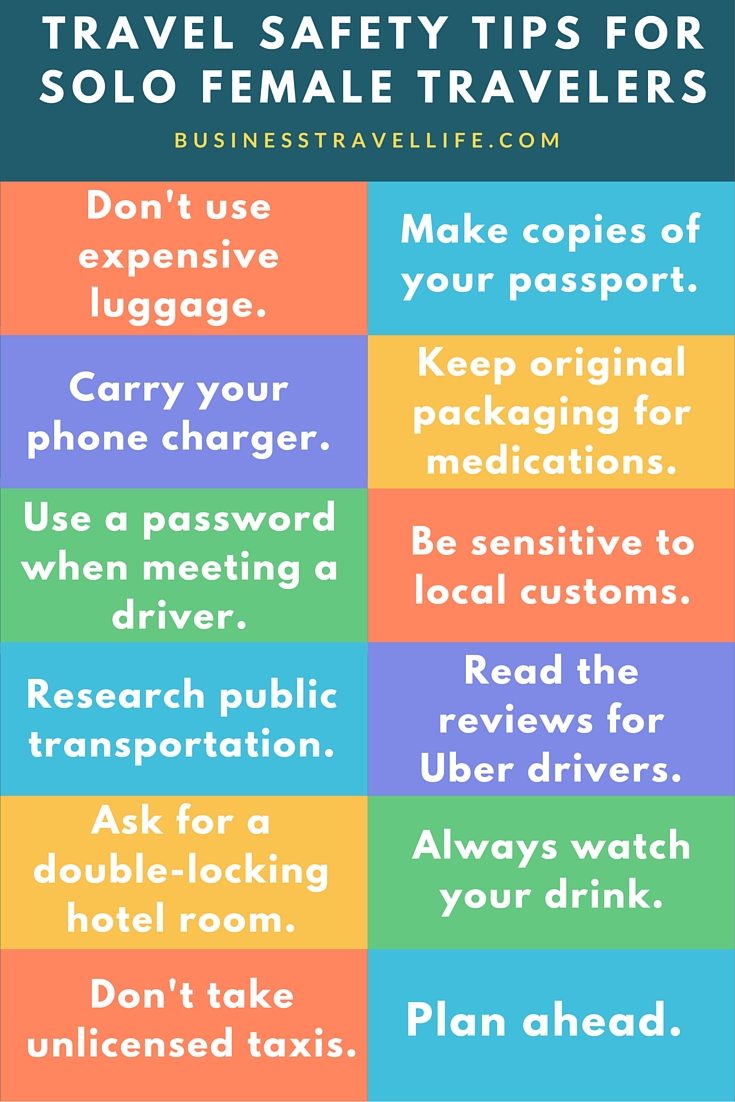
Pack light. Carry-on only if you can. Fast exits reduce exposure and lost items.
Essentials that raise safety:
- Two phone chargers and a power bank
- Copies of IDs in a hidden pouch and in the cloud
- Cable locks for bags and a small door wedge for hotel use
- A basic first-aid kit and any personal meds for the full trip plus two days
- RFID-blocking wallet and a decoy wallet with a small bill set
Mark bags with a simple tag. Avoid flashy logos. I place a small tracker in my luggage. It helped me find a lost bag at a busy airport within minutes.
These travel safety tips for business travelers keep you organized and calm when plans shift.
Cybersecurity on the Road
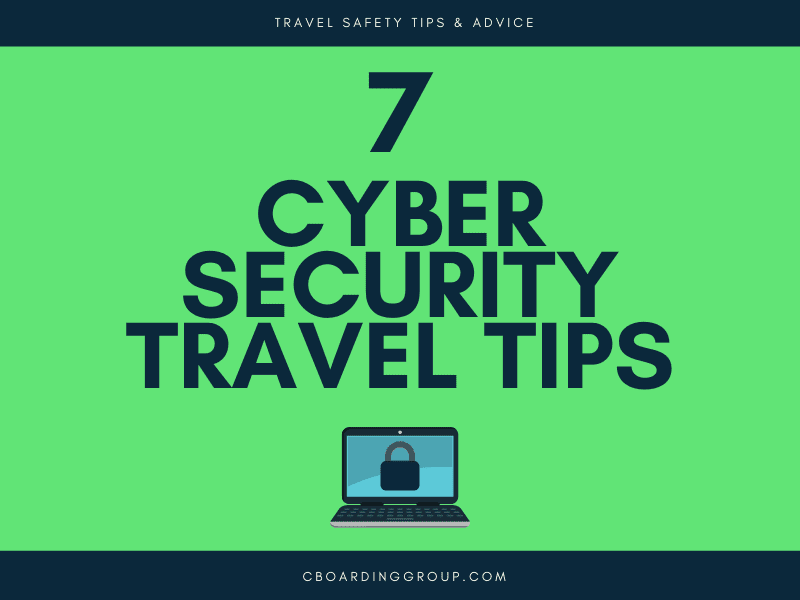
Most business risks now live on your phone and laptop. Protect them at all times. A clean device is as vital as a locked door.
Core steps:
- Use a VPN on all networks, even in hotels
- Turn on MFA for email, apps, and cloud tools
- Enable full-disk encryption and auto-lock at one minute
- Use a privacy screen and avoid typing passwords in view of others
- Update devices before you leave and disable auto-join for Wi-Fi
- Back up your data before the trip and carry only what you need
Consider a “travel mode” device with minimal data. I carry a slim laptop with limited files for high-risk trips. If it is lost, damage to the firm is small.
Travel safety tips for business travelers must include strong cyber hygiene. It protects clients, deals, and your job.
Is public Wi-Fi safe if I use a VPN?
A VPN helps, but public Wi-Fi is still risky. Avoid sensitive work on unknown networks. Use a phone hotspot for key tasks when you can.
Should I scan QR codes in airports or cafes?
Treat all public QR codes as suspect. Verify the source or type the URL yourself. Many phishing attacks now start with a QR code.
Daily Street Smarts and Situational Awareness
Stay alert, not anxious. Use simple habits that stop most problems before they start.
Smart daily moves:
- Keep valuables out of sight and spread cash across pockets
- Vary your route and schedule when possible
- Stick to busy, lit streets and avoid empty shortcuts
- Use ATMs inside banks or hotels, never on the street
- Limit alcohol in public places and avoid late solo walks
Trust your gut. If a scene feels off, step back into a store or hotel. Ask staff to call a car. I once moved a breakfast meeting to the hotel lobby after seeing a protest form outside. The client thanked me later.
Know what to do if stopped by police or asked for a “fee.” Stay calm, be polite, and ask for ID. Offer to call your company or embassy contact. Travel safety tips for business travelers include scripts for tense moments. Practice them.
How do I choose a safe hotel room floor?
Pick floors 3 to 6. They are high enough to deter break-ins and low enough for most fire ladders. Also check that stairwells are unlocked and lit.

Health, Insurance, and Emergencies
Your health drives your judgment. Set it up to win. Get needed vaccines as advised for your route. Pack proof of coverage and a list of your meds and allergies.
Health steps that work:
- Book a buffer day to beat jet lag before key meetings
- Drink more water than you think you need and limit caffeine at night
- Eat at busy spots with high turnover to reduce food risks
- Carry oral rehydration salts and a few safe snacks
Buy travel medical insurance if your firm does not cover it. Add evacuation cover for remote areas. Save the 24/7 hotline in your phone. Reports show fast access to care cuts cost and time away from work.
These travel safety tips for business travelers protect both body and budget.
Cultural Norms, Scams, and Legal Pitfalls
Local rules shape safe travel. Learn the basics of greetings, dress, and gestures. A small show of respect goes far in business and safety.
Common traps and how to avoid them:
- Helpful stranger scam: decline unknown helpers at ATMs or machines
- Closed attraction scam: verify closures with official staff, not sidewalk guides
- Taxi meter dodge: confirm the rate or use apps with fixed fares
- Currency swap: count change slowly and use small bills
Know the rules on photos, drones, gifts, and data. Some countries restrict these and enforce fines. Travel safety tips for business travelers include legal awareness. It saves face and keeps you moving.
After the Trip: Debrief and Improve
Great travelers get better each time. Do a short review within 48 hours. Note what worked and what did not. Update your packing list and templates.
Actionable debrief points:
- Record safe hotels, routes, and car services for the team
- Flag any scams or issues to security and HR
- Change passwords used on the trip and audit device access logs
- Check expenses for odd charges that may signal card cloning
Share lessons with your peers. Travel safety tips for business travelers grow stronger when the team learns as one.
Frequently Asked Questions of travel safety tips for business travelers
What documents should I carry when traveling for work?
Carry your passport, visa, proof of insurance, and a letter from your company. Keep digital copies in secure cloud storage and one paper copy in a separate bag.
How can I secure my hotel room at night?
Use the deadbolt and latch, add a small door wedge, and keep the room key by the bed. Place shoes and a jacket near the door for a fast exit.
Is it safe to use ride-share apps in new cities?
Use only verified apps and match the plate, model, and driver photo before you get in. Share the ride details with a colleague in real time.
What is the best way to protect work data abroad?
Use a VPN, MFA, and full-disk encryption on all devices. Carry only needed files and consider a clean “travel laptop” for high-risk trips.
How do I handle street vendors or aggressive sales tactics?
Be polite but firm. Say no, avoid eye contact, and keep moving toward a staffed location like a hotel or store.
Conclusion
Business travel should move deals forward, not raise your risk. With clear plans, careful bookings, strong cyber habits, and steady street sense, you can work anywhere with confidence. These travel safety tips for business travelers help you act fast and stay calm.
Pick three tips today and make them routine on your next trip. Share this guide with your team, subscribe for more field-tested advice, and leave a comment with your best on-the-road lesson.


