

Zimbabwe Travel Guide [Ultimate Safaris, Sights & Tips 2026]
Zimbabwe travel guide: epic safaris, thundering falls, rich culture, and warm hospitality.
If you want a clear and complete zimbabwe travel guide, you are in the right place. I have crossed Zimbabwe by road and river, from Harare’s arts scene to Mana Pools on foot. This guide gives you proven tips, trusted facts, and easy steps to plan a smooth trip that fits your style and budget. Read on for routes, seasons, visas, money, safety, culture, and the best wildlife spots.
Why Visit Zimbabwe Now
Zimbabwe rewards curious travelers. The country blends world-class wildlife, ancient history, and friendly towns. You can stand in the spray of Victoria Falls in the morning, then track elephants by sunset. This zimbabwe travel guide shows you how to link highlights with calm, crowd-free moments.
What stands out is the warmth. I was offered directions, fruit, and stories in one short walk in Bulawayo. Add expert guides, strong conservation work, and a deep arts scene, and you get a trip that feels both rich and grounded.

When To Go
Seasons shape what you see and how you feel.
- May to October dry season offers easy wildlife viewing. Bush is thin and animals gather at water.
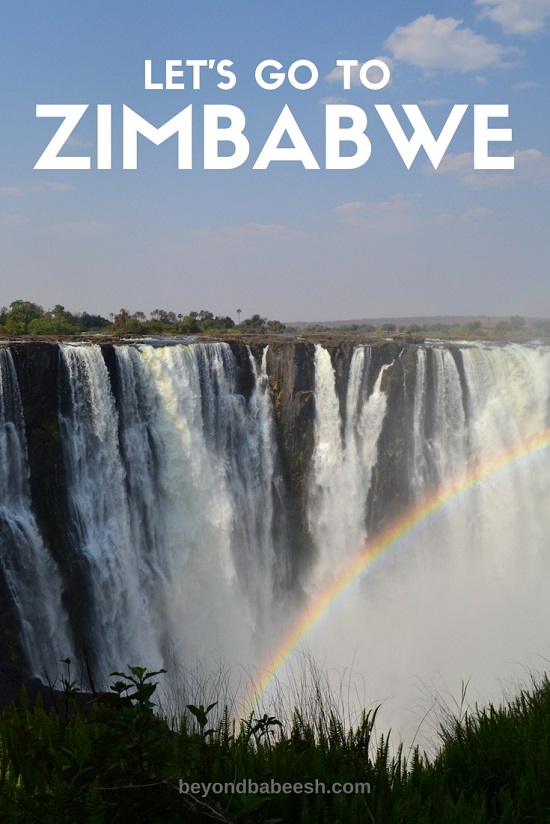
- March to May brings peak Victoria Falls flow. Expect heavy spray and rainbows.
- November to February is green season. Afternoon storms pop up. Landscapes glow and birding is superb.
For first-time planners using this zimbabwe travel guide, aim for June to September if wildlife is your main goal. For photographers who love mist and drama, late April is magic at the Falls.
Visas, Entry, and Travel Requirements
Most travelers can get an eVisa or a visa on arrival. Many nationalities can also buy the KAZA Univisa. It covers Zimbabwe and Zambia on one ticket. Always check the latest rules on the official immigration portal before you fly.
Carry a passport with at least six months of validity and blank pages. A yellow fever certificate is needed only if you come from a risk country. This zimbabwe travel guide suggests you print bookings and insurance to speed up checks.
Getting There and Around
You can fly into Harare or Victoria Falls with regional and international links. Many travelers pair Zambia, Botswana, or South Africa in one loop.
- Domestic flights connect Harare, Bulawayo, and Victoria Falls.
- Self-drive is popular and safe during daylight. Roads are good on main routes.
- A 4×4 is best for remote parks and rainy months.
- Buses run between cities. Use reputable companies for comfort and safety.
- In towns, use registered taxis or your lodge transfer.
If you plan a self-drive through parks, this zimbabwe travel guide urges early fuel stops, cash for tolls, and daylight arrivals. I keep a paper map as backup since signal can drop.
Money, Costs, and Safety
Zimbabwe uses a multicurrency system. US dollars are widely used for tours, park fees, and tips. Cards work in cities and larger lodges, but they can fail. Bring clean small USD notes for fuel, snacks, and tips. ATMs can run out or limit withdrawals.
Typical mid-range trips mix lodges and guesthouses. Park fees and activities add up. Budget more for guided safaris and internal flights. This zimbabwe travel guide suggests travel insurance that covers medical care and evacuation.
Crime levels are moderate in main tourist zones. Use normal city sense. Walk in lit areas, keep valuables hidden, and do transfers after dark by car. In parks, follow ranger advice. Animals always have right of way.
Top Destinations and Experiences
Zimbabwe fits many styles. Here are the core stops I recommend in this zimbabwe travel guide.
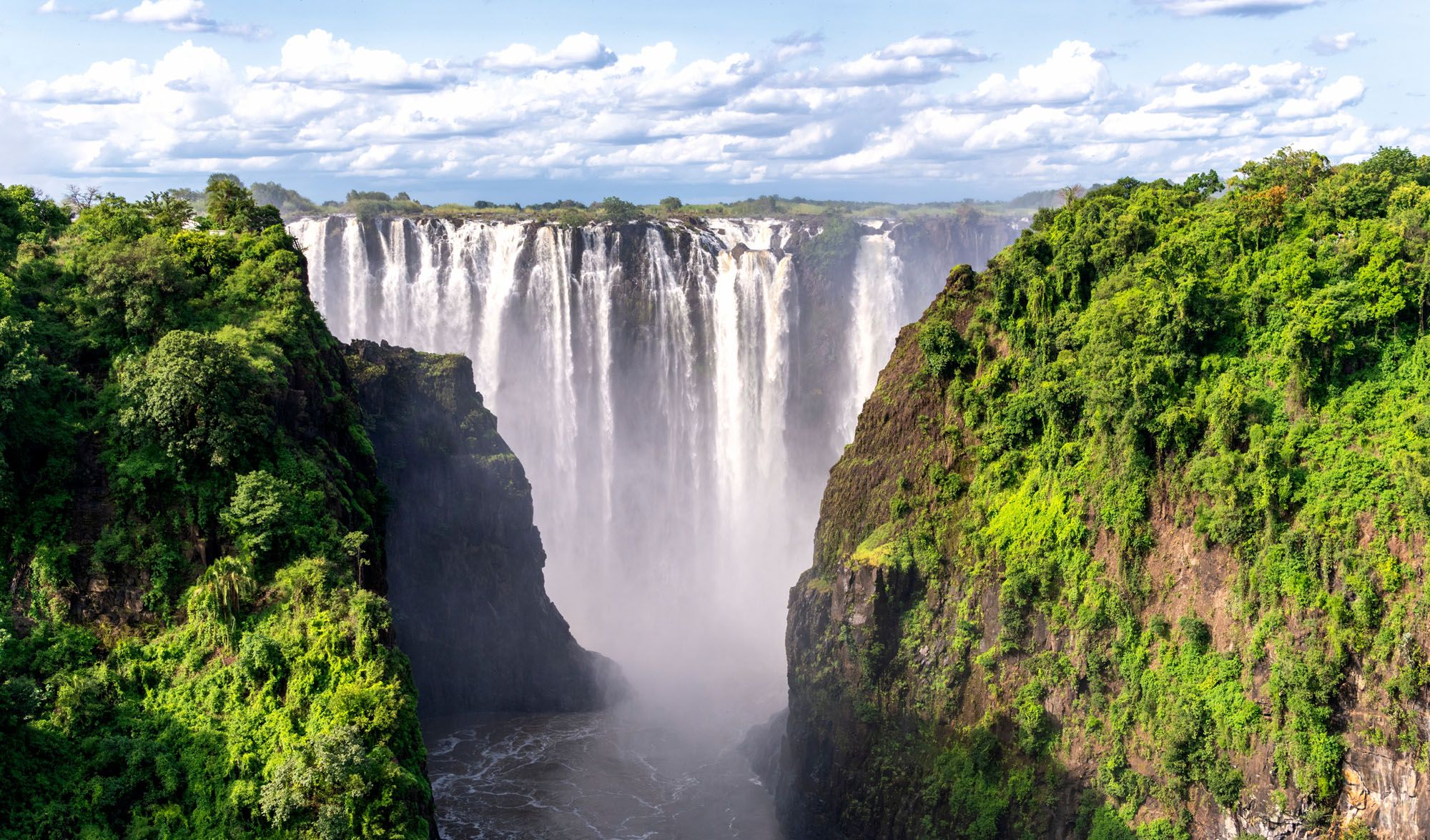
- Victoria Falls offers viewpoints, walks, and sunset cruises on the Zambezi. Add rafting, bungee, and a helicopter ride if you want thrills.
- Hwange National Park is big game country. Expect elephants, lions, and wild dogs.
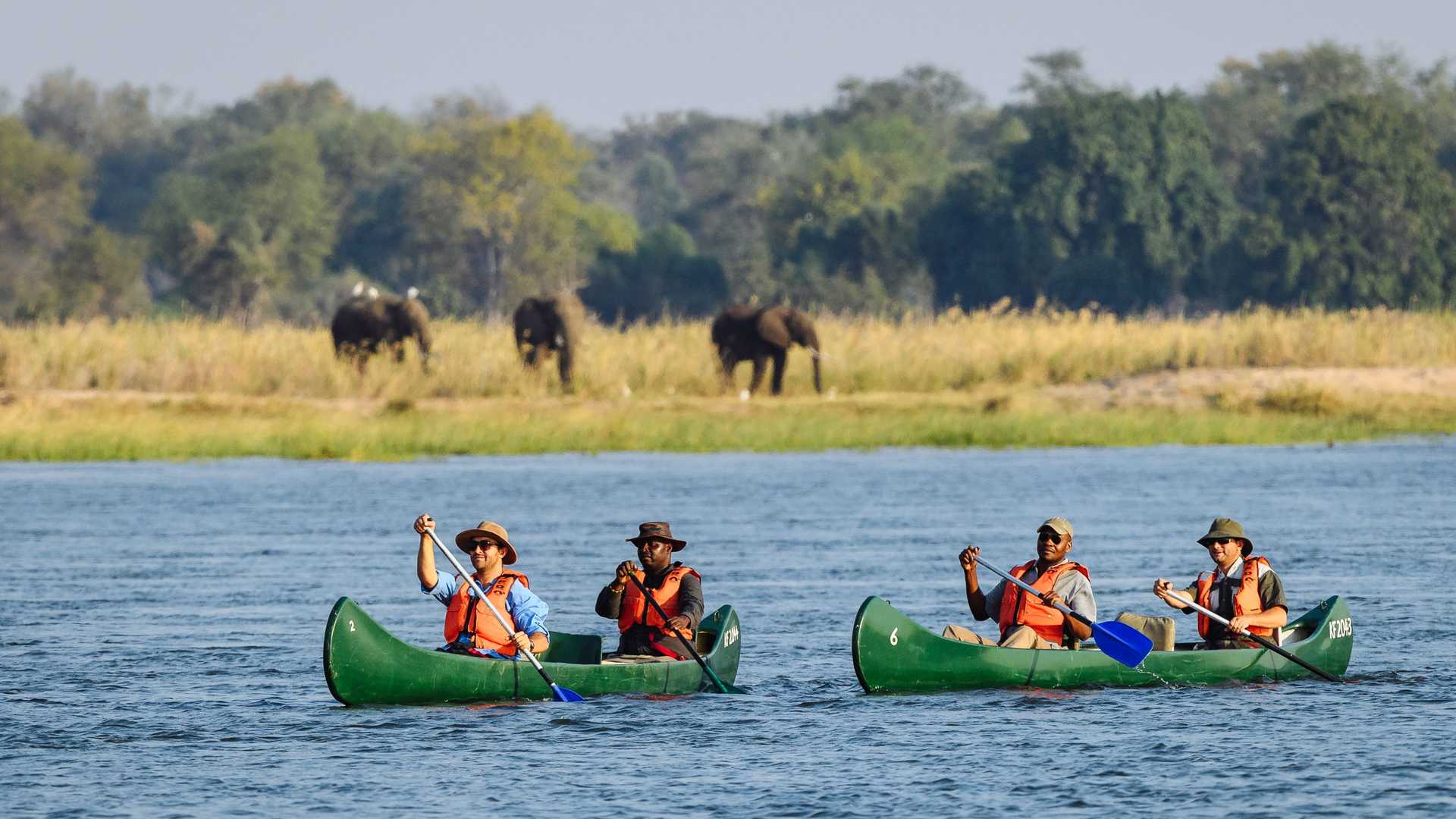
- Mana Pools National Park is a UNESCO site. Walking and canoe safaris bring wild, close moments.
- Matobo National Park mixes rock art, rhinos, and granite hills. The light at dusk is soft and golden.
- Great Zimbabwe is an ancient stone city and a UNESCO site. Go at sunrise to beat heat and learn about Shona history.
- Eastern Highlands covers Nyanga and Chimanimani. Cool air, waterfalls, and mountain views.
- Lake Kariba brings houseboats, fishing, and laid-back sunsets.
- Cities like Harare and Bulawayo offer galleries, markets, and music.
Plan two anchor stops and one slower place to rest. That balance keeps your pace humane.

Wildlife and Safaris
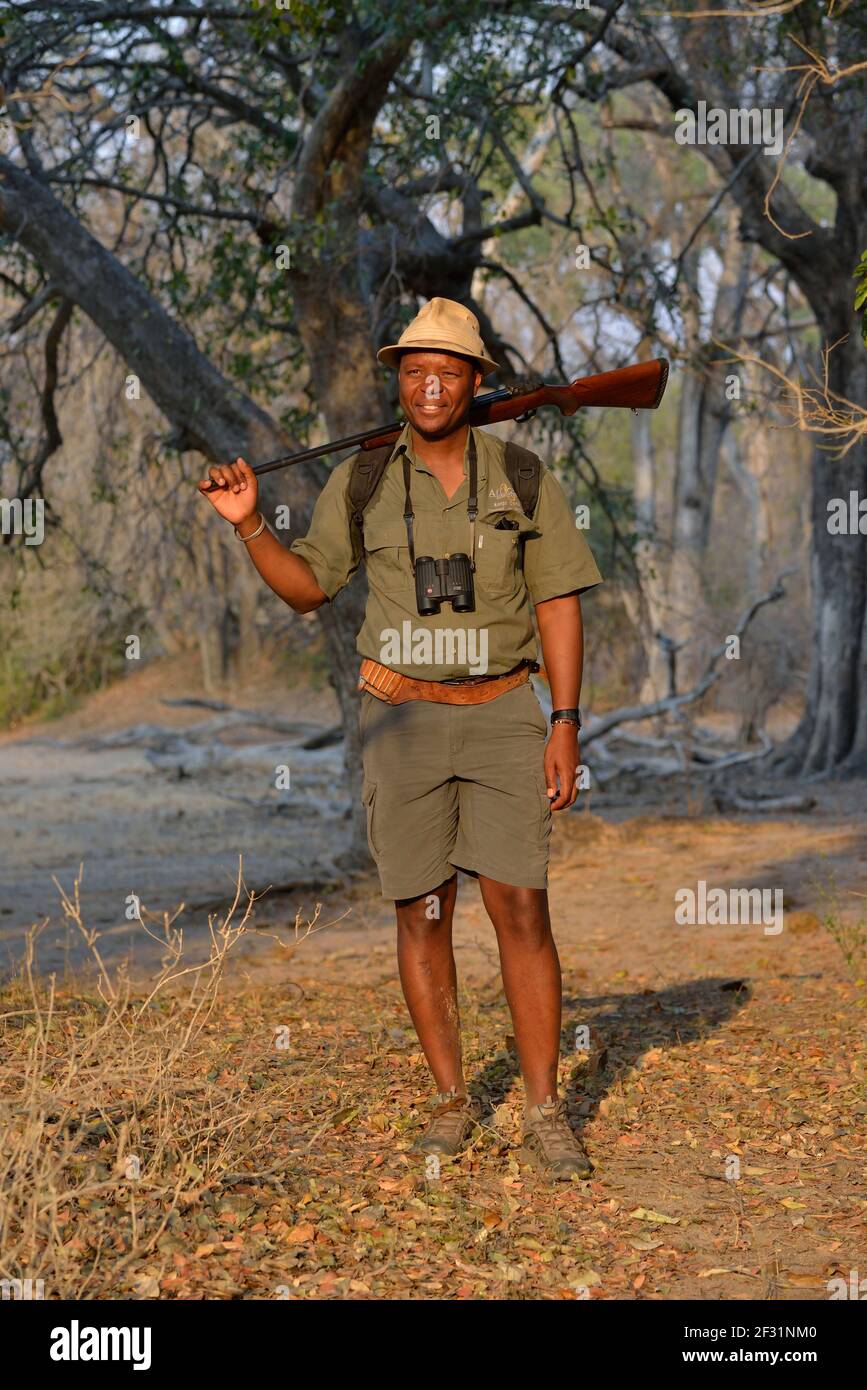
Wildlife is Zimbabwe’s heart. Guides are skilled, and the country is known for walking safaris. That means more learning and deeper calm.
- Hwange is great for dry-season sightings at waterholes.
- Mana Pools shines for elephants that stand on hind legs to feed.
- Gonarezhou feels remote and wild. Expect fewer people and raw beauty.
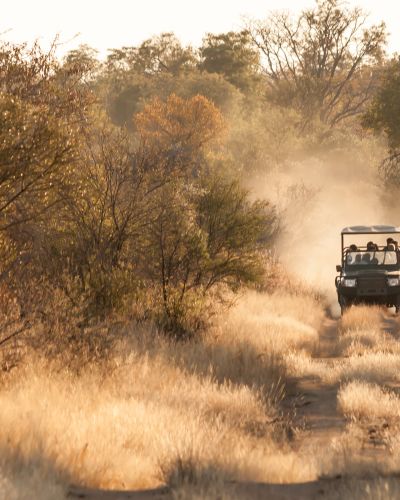
This zimbabwe travel guide suggests mixing drive, walk, and boat. I saw wild dogs on a cool July morning in Hwange because we stayed patient at one pan. Good guides make the difference. Ask about their tracking style and ethics before booking.
Culture, Food, and Etiquette
Zimbabwe is home to Shona and Ndebele cultures among others. People greet with a smile and a handshake. Learn a few words and you earn warm replies.
- Try sadza with relishes, grilled bream from Kariba, and road-trip snacks at local markets.
- Dress modestly in towns and villages. Save safari gear for parks.
- Always ask before photos, especially of people or police.
Use this zimbabwe travel guide to shape days that blend culture and nature. A gallery visit in Harare followed by a township food tour gave me context that I still carry.
Suggested Itineraries
Here are simple routes that work for first timers.
- Classic 7 days: Victoria Falls, Hwange. Mix Falls viewpoints, a river cruise, and four safari drives.
- Explorer 10 days: Falls, Hwange, Matobo or Great Zimbabwe. Balance wildlife and history.
- Wild 12 to 14 days: Mana Pools, Lake Kariba houseboat, Hwange. Focus on walking and water.
- Eastern escape 7 to 9 days: Harare, Nyanga, Chimanimani. Hikes, tea estates, cool nights.
Adjust travel time and budget. This zimbabwe travel guide suggests keeping transfers under half a day when you can. That gives you time in the places you came to see.
Packing List and Gear
Pack light, neutral colors, and layers. Days can be hot and nights cool, even in the dry months.
- Soft duffel for small planes and safari vehicles.
- Light jacket, fleece, and a rain shell near the Falls.
- Closed shoes for walks. Sandals for camp.
- Wide hat, sunglasses, and sunscreen.
- Headlamp and spare batteries.
- Binoculars and a long lens if you love photos.
- A universal adapter. Zimbabwe uses Type D and Type G plugs at 220 to 240 volts.
- Basic meds, rehydration salts, and personal prescriptions.
- Insect repellent and malaria advice from your doctor for risk zones.
This zimbabwe travel guide also suggests a dry bag for cameras near the Falls. The spray can soak everything fast.
Responsible and Ethical Travel
Travel can help both nature and people. Choose operators who pay fair wages and respect wildlife.
- Keep a safe distance from animals. No calling or baiting.
- Stay on tracks. Follow your guide’s lead.
- Do not buy items made from wildlife parts.
- Support community trusts and local artisans.
- Conserve water and power in camps.
I ask lodges how they work with nearby villages. Good partners are proud to share details. This zimbabwe travel guide favors places that train local guides and invest in schools or clean water.
Connectivity, Power, and Practical Apps
Econet and NetOne are the main mobile networks. Buy a local SIM with data at the airport or in town. Bring your passport for registration. Coverage is good in cities and on main roads and can be weak in remote parks. Many lodges offer Wi-Fi, but it can be slow at peak times.
Useful apps include offline maps, stargazing, bird ID, and a language tool for Shona or Ndebele basics. This zimbabwe travel guide also suggests downloading eVisa copies, insurance, and booking vouchers to your phone and to a small USB drive.
Frequently Asked Questions of zimbabwe travel guide
Do I need a visa to visit Zimbabwe?
Many travelers can get an eVisa or visa on arrival. Check your nationality on the official immigration site and print copies of your documents.
What is the best time to see wildlife?
The dry season from June to October offers the best sightings. Animals gather at waterholes and grass is shorter, which improves visibility.
Is Zimbabwe safe for tourists?
Tourist areas are generally safe with normal care. Use trusted transfers after dark, keep valuables secure, and follow park rules around wildlife.
What currency should I bring?
Bring US dollars in small, clean notes for tips, fuel, and fees. Cards work in cities and larger lodges, but cash is useful when systems are down.
Do I need malaria tablets?
There is malaria risk in low areas like Victoria Falls, Hwange, and Mana Pools. Ask your doctor about prophylaxis and use repellent and long sleeves at dusk.
Can I drive myself in national parks?
Yes, in some parks and on certain roads, but check local rules. A 4×4 is best in remote areas, and you should avoid night driving.
How long should I stay at Victoria Falls?
Two nights gives time for both sides or extra activities. Add a third night if you want rafting, a helicopter ride, or a full-day safari nearby.
Conclusion
Zimbabwe blends big nature, living culture, and kind hosts into one clear journey. With this zimbabwe travel guide, you can choose the right season, map smart routes, set a safe budget, and plan days that feel both calm and rich. Start with two anchor spots, add one slow stop, and let local guides share their world.
Ready to plan your route and book your first lodge? Save this zimbabwe travel guide, share it with your travel partner, and leave a comment with your dates and goals so I can help you refine your plan.


