

Travel Guides New Zealand [Ultimate 2026 Itinerary & Tips]
Travel guides New Zealand give clear routes, timing, culture tips, and must-see nature.
If you want a trip that feels smooth, rich, and true to Aotearoa, you are in the right place. I have crossed both islands by road and trail, and I use travel guides New Zealand to plan every step. This guide blends expert research with real field notes so you can book, budget, and explore with confidence. Read on for a complete, practical take on travel guides New Zealand, from visas to hikes to hidden food gems.

How to Use Travel Guides New Zealand for Smart Planning
Travel guides New Zealand work best when you match them to your style. Mix an official guide, a trusted digital app, and local DOC visitor center tips. Save key pages offline. Add alerts for weather and road issues.
Use guides to set daily drive times and backup stops. In New Zealand, 200 km can feel like a full day. Plan fewer stops and longer stays. This is the top fix I made after my first loop of the South Island.
Key steps I follow:
- Pick your musts. One to two hero spots per day is enough.
- Lock ferry and Great Walk dates first. Build the route around them.
- Mark i-SITE offices. They save days with live advice.
- Download offline maps. Signal drops in alpine and fiord regions.
- Save a short “rain plan.” Museums, hot pools, and food halls help.
For deep trip work, I keep one master doc. I paste short notes from travel guides New Zealand, DOC track pages, and ferry times. It keeps the plan clear and calm.
Best Time to Visit and Weather by Region
New Zealand weather shifts fast. The North Island is mild. The South Island swings more. Pack layers in any month.
Seasons at a glance:
- Summer (Dec–Feb). Warm, long days. Peak prices. Book early.
- Autumn (Mar–May). Calm, clear, great value. Vineyards glow.
- Winter (Jun–Aug). Ski time. Clear nights. Some roads ice.
- Spring (Sep–Nov). Waterfalls roar. Weather flips fast.
Regional notes:
- Northland and Bay of Islands. Warm seas and soft winters.
- Rotorua and Taupo. Cool nights. Geothermal sites always open.
- Wellington. Windy. Museums shine on rough days.
- West Coast. Wet and lush. Glaciers near sea level.
- Canterbury and Otago. Big blue skies. Frosty winter mornings.
- Fiordland. Rain often. Bring a real rain shell.
I track the forecast daily on my trips. Storms change road plans, so I keep a spare day in alpine zones.
Entry, Visas, and Biosecurity Essentials
Most visitors need an NZeTA before boarding and pay the IVL. Check your passport rules well ahead. Some medicines require a doctor’s note.
New Zealand guards its nature. Declare food, soil on gear, and outdoor items. Clean your boots. The fines are no joke. Travel guides New Zealand list these steps in detail. Read them first to avoid delays at the airport.
Driving? A valid license in English or an IDP is best. Travel insurance is wise. It covers cancellations and remote rescues.

Getting Around: Driving, Ferries, Rail, and Buses
New Zealand drives on the left. Roads are narrow and scenic. Trips take longer than maps suggest. Rest often. Enjoy the view.
Transport options:
- Rental car. Best mix of freedom and comfort. Book early in summer.
- Campervan. Great for parks and beaches. Follow freedom camping rules.
- Ferries. Inter-island links run Picton–Wellington. Reserve a car spot.
- Scenic trains. TranzAlpine, Coastal Pacific, and Northern Explorer run on select days.
- Buses. Intercity links major towns at sharp prices.
I like a car plus a few key day tours. It keeps the pace easy. Travel guides New Zealand often rank the top drives. My picks: Queenstown to Glenorchy, Wanaka to Haast Pass, and the Forgotten World Highway.
Top Regions and Highlights with Sample Routes
You can spend months here. Still, clear picks help. Travel guides New Zealand commonly group the route by island.
North Island highlights:
- Auckland. Harbors, islands, food.
- Coromandel. Beaches and bush walks.
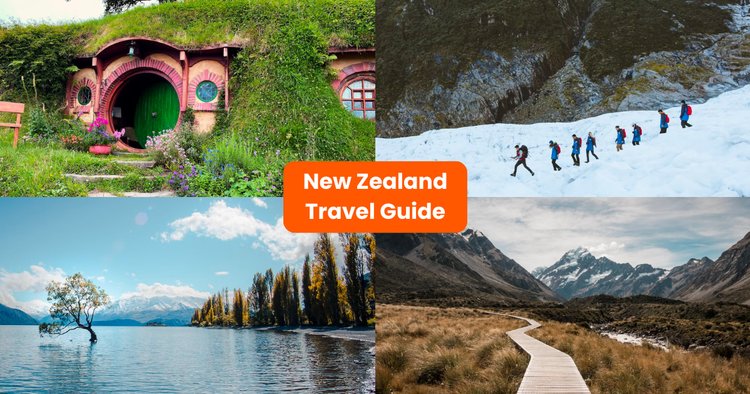
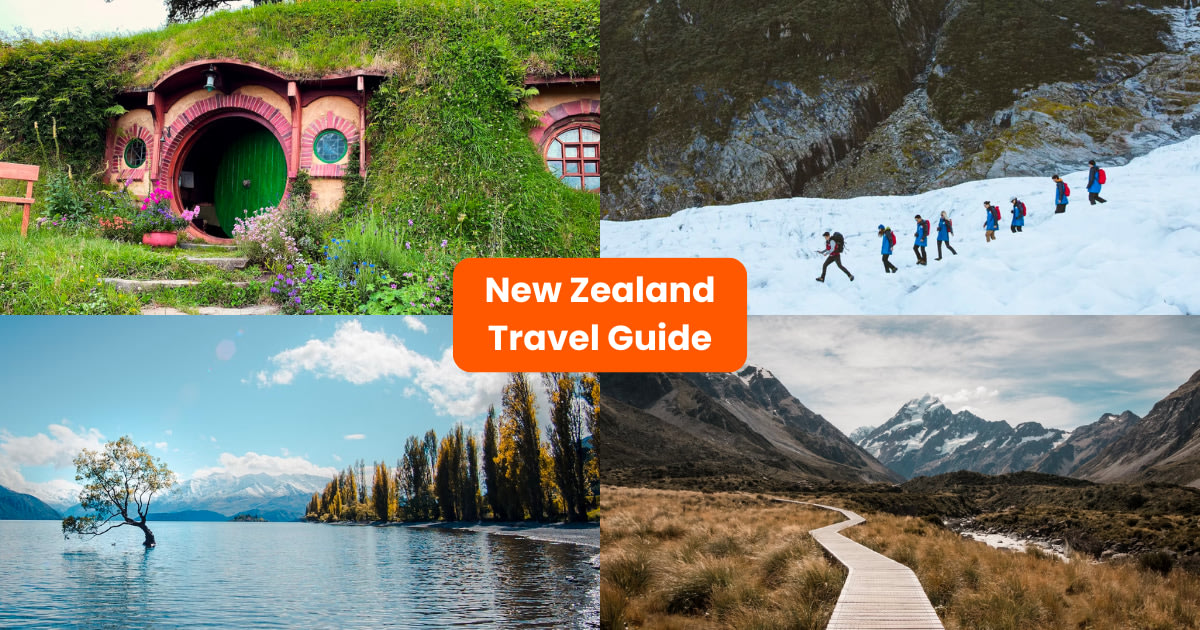
- Rotorua and Hobbiton. Geothermal and film sets.
- Taupo and Tongariro. Alpine crossing on clear days.
- Taranaki. Coastal surf and a perfect cone.
- Wellington. Arts, coffee, Te Papa.
South Island highlights:
- Abel Tasman. Golden sand and kayak coves.
- Marlborough. Sauvignon blanc and sounds.
- Kaikoura. Whales and crayfish.
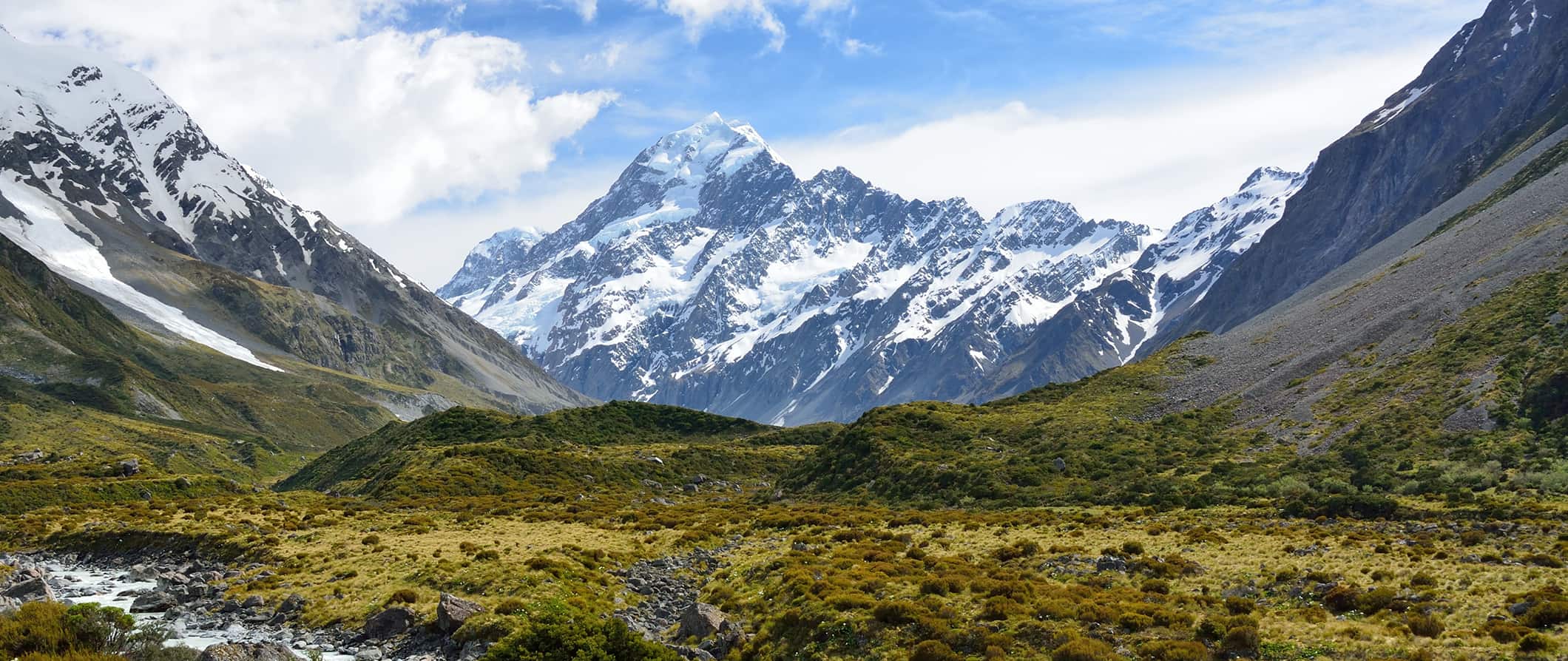
- Aoraki/Mt Cook. Alpine views and starry nights.
- Wanaka and Queenstown. Lakes, trails, and thrills.
- Fiordland. Milford and Doubtful Sound.
- Dunedin and the Catlins. Wildlife and wild coasts.
- Stewart Island/Rakiura. Kiwi spotting at night.
Sample 7-day loop (South Island):
- Day 1: Christchurch to Lake Tekapo.
- Day 2: Aoraki/Mt Cook walks.
- Day 3: Wanaka lakeside trails.
- Day 4–5: Queenstown and Glenorchy.
- Day 6: Fiordland day trip to Milford Sound.
- Day 7: Return via Te Anau and Clyde.
Sample 14-day two-island route:
- Days 1–3: Auckland, Coromandel, Rotorua.
- Days 4–5: Taupo, Tongariro.
- Day 6: Wellington.
- Day 7: Ferry to Picton, Marlborough.
- Day 8–9: Abel Tasman.
- Day 10: West Coast to Franz Josef.
- Day 11–12: Wanaka, Queenstown.
- Day 13: Fiordland cruise.
- Day 14: Fly out from Queenstown or back to Christchurch.
Outdoor Adventures and Great Walks
New Zealand tracks range from family strolls to alpine epics. The Great Walks include Milford, Routeburn, Kepler, Tongariro Northern Circuit, Abel Tasman, Heaphy, Paparoa, Rakiura, Lake Waikaremoana, and the Whanganui Journey by canoe.
Booking tips:
- Reserve huts and camps the day bookings open for peak season.
- Carry a real rain jacket, warm layer, and PLB on remote tracks.
- Start at dawn on popular walks to beat crowds and wind.
From my trips, the Routeburn’s Harris Saddle views still stun me. Tongariro is magic in clear weather but harsh in wind. Travel guides New Zealand often show easy day-walk options for each track. Use these on tight schedules.
Culture, Language, and Respect for Aotearoa New Zealand
Kia ora means hello. You will hear te reo Māori across the country. Listen for kaitiakitanga (guardianship) and manaakitanga (care for guests). These values shape travel here.
Respect local sites and wildlife. Some peaks and places are tapu (sacred). Follow signs. Ask before flying a drone. Join a cultural tour to learn with care. A hongi or pōwhiri needs guidance; tours brief you well.
I learned the Tiaki Promise on my first visit. It now guides every plan I make and suggest in travel guides New Zealand.

Budget and Money-Saving Tips
Daily budgets vary:
- Backpacker: 60–120 NZD with hostel and self-cook.
- Mid-range: 180–300 NZD with car and motels.
- Upscale: 350+ NZD with hotels and tours.
Money notes:
- Cards and contactless work almost everywhere.
- Tipping is not required, but you can round up for great service.
- Fuel and ferries add up. Plan for long drives and remote towns.
Data is cheap with local SIM or eSIM. I switch to a local plan on day one. Travel guides New Zealand list Spark, One NZ, and 2degrees shop spots in each city.
Accommodation Types and Booking Strategy
You can sleep in style or under stars. Options include hotels, motels, lodges, hostels, holiday parks, DOC huts, and baches (holiday homes).
Booking tips:
- Summer sells out in hotspots. Lock rooms early.
- Mix two-night stays to rest and explore deeper.
- Hostels are clean and social. Holiday parks suit families.
- DOC huts need bookings on Great Walks in peak season.
I book flexible rates when weather is a factor. It saved my plans near the glaciers more than once.
Food and Wine to Try
Fresh and simple stands out. Seek green-lipped mussels, Bluff oysters in season, crayfish in Kaikoura, lamb, and classic pies. Try a hāngi meal for a deep, earthy feast.
Drink picks:
- Coffee. Order a flat white.
- Wine. Marlborough sauvignon blanc and Central Otago pinot noir.
- Beer. Craft taps are common, even in small towns.
Farmers’ markets shine on weekends. Travel guides New Zealand often map them by region. I plan breakfast stops around them.
Safety, Health, and Practical Tips
Dial 111 in any emergency. Trails have no large land predators, but sandflies bite. The sun is fierce. Use SPF 50 and a hat.
Road notes:
- Slow down in rain and on gravel.
- Never ford rivers without skill and local advice.
- Check road alerts in winter for ice and snow.
Water is safe in towns. In the backcountry, treat it. Pharmacies are helpful and common. For risk zones like alpine routes, check DOC and avalanche advisories. I also leave my route plan with a friend.
Packing Checklist That Works
Keep it light and ready for flips in the weather.
- Rain shell, warm layer, and quick-dry base.
- Sturdy walking shoes and camp sandals.
- Sun hat, sunglasses, and strong sunscreen.
- Insect repellent and small first-aid kit.
- Power adapter Type I, car charger, and headlamp.
- Reusable bottle, dry bags, and compact towel.
- Offline maps and a backup battery.
If you hike far, rent a PLB. Travel guides New Zealand often note hire outlets in main towns.
Sustainable and Responsible Travel
Travel with care. Follow the Tiaki Promise. Stay on tracks. Pack out all waste. Keep space from wildlife. Support local guides, iwi-led tours, and conservation groups.
Choose lower-impact moves. Ride a bike for winery visits. Offset flights. Many operators share carbon data. Travel guides New Zealand highlight eco-certifications. Use them to filter choices.
Frequently Asked Questions of travel guides new zealand
What is the best month to visit using travel guides new zealand?
The shoulder months of March, April, October, and November balance price and weather. You get longer days without peak crowds.
Do I need an international driver’s permit to follow travel guides new zealand itineraries?
If your license is not in English, get an IDP. Even with English, some rental firms prefer it, so check booking terms.
How many days do I need for North and South Islands with travel guides new zealand?
Ten to fourteen days covers highlights on both islands. If you have one week, pick one island for a deeper, calmer trip.
Are Great Walks hard for first-timers using travel guides new zealand?
Many have moderate sections and good signs. Choose day segments or guided options if you are new to backcountry travel.
Is tap water safe across routes found in travel guides new zealand?
City and town water is safe. Treat or boil water in huts and remote camps.
Conclusion
New Zealand rewards slow, smart travel. Use travel guides New Zealand to shape a clear route, book key parts early, and leave room for weather and wonder. Start with your must-sees, add safe buffers, and mix city culture with wild places. If this guide helped, subscribe for fresh route ideas, ask a question in the comments, or share your own tips for the next traveler.


