

Yukon Travel Guide [Essential Tips, Routes & Sights 2026]
A Yukon travel guide covers seasons, routes, top sights, wildlife, and safety.
The Yukon rewards bold travelers with space, silence, and true North beauty. In this yukon travel guide, I share years of field notes, careful research, and on-the-ground tips. You will learn when to come, where to go, and how to travel safe and smart. If you want a clear, trusted yukon travel guide, you are in the right place.
Essential Things to Know About the Yukon
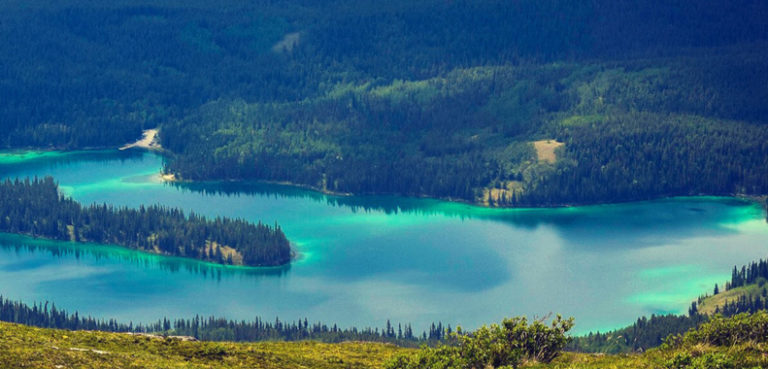
The Yukon sits in northwest Canada. It is bigger than many countries. Yet it has a small population and long empty roads. Whitehorse is the capital and main hub.
Summer brings long light. North of the Arctic Circle you can see the midnight sun. Winter brings cold and dark. But the aurora can be strong and bright.
The Yukon uses UTC−7 all year. The currency is the Canadian dollar. English is common. French and many First Nations languages are also heard.
Road travel is simple in summer. Winter adds risk. Most services sit on the Alaska and Klondike Highways. Plan fuel and food stops in advance.
This yukon travel guide will help you set the right plan. It blends facts with real lessons from the road. It also shows limits and risks so you can travel with care.

Best Time to Visit the Yukon
Summer, from mid-June to early September, is peak season. Trails are open. Rivers run clear. Driving is easier. Days are long and warm in sun. Evenings can be cool.
Late August to mid-September brings bright fall colors. Tombstone Territorial Park glows with red and gold. Nights grow longer. Aurora can start to show.
Winter runs from late October to March. Temperatures drop. Roads can be icy. But nights are dark and steady. That is great for northern lights.
Spring is short. Snow melts fast. Mosquitoes rise in June and July. Bring netting and repellent. As this yukon travel guide repeats, the right gear makes all the difference.
Top Places to Visit in the Yukon
Whitehorse is a smart base. See Miles Canyon, the SS Klondike, and the river trails. The Yukon Wildlife Preserve offers close views of local species. It supports care and learning.
Kluane National Park and Reserve has tall peaks and vast icefields. Flightseeing shows the scale in a single hour. Hike King’s Throne Ridge near Kathleen Lake for big views.
Dawson City keeps its Gold Rush soul. Stroll wooden boardwalks. Visit the museums and the historic sites. Drive up to Midnight Dome for a grand panorama.
Tombstone Territorial Park is a crown jewel. Craggy peaks rise over arctic tundra. Colors peak in early September. The Dempster Highway runs through it and sets a classic scene.
Carcross shines with art and history. See Emerald Lake and the tiny Carcross Desert. Farther east, Watson Lake’s Sign Post Forest is a road-trip legend.
This yukon travel guide also notes fly-in communities like Old Crow. They ask for deeper planning and cultural respect. Go with a guide if you can.

Iconic Road Trips and Routes
The Alaska Highway crosses the territory and links key towns. It is paved and busy in summer. Watch for frost heaves and wildlife.
The Klondike Highway links Whitehorse and Dawson City. It is scenic and well serviced in season. You pass lakes, hills, and old mining sites.
The Top of the World Highway connects Dawson City to Alaska. It runs high along ridges. It is usually open late spring to fall. Border hours and weather can change plans. Always check before you go.
The Dempster Highway runs from near Dawson to the Arctic. It is gravel and remote. You will pass Tombstone, then roll on to the Northwest Territories. Fuel and services are rare. Carry a full-size spare and a tire repair kit.
On my last Dempster run, rain turned calcium chloride to slick clay. Slow, steady driving kept us safe. This yukon travel guide urges one rule for gravel: smooth inputs, no sudden moves.
Outdoor Adventures and Activities
Hiking options span all levels. Short walks include Miles Canyon and Five Finger Rapids. Longer routes include Grizzly Ridge and Goldensides in Tombstone. Weather can shift fast. Carry layers and a map.
Canoeing the Yukon River is a classic. The Whitehorse to Carmacks trip is popular. You can rent gear and arrange shuttles. Learn cold-water safety before you go.
Wildlife viewing is best at dawn and dusk. Keep space. Use binoculars. Never feed animals. Fishing is strong for grayling, lake trout, and pike. Licenses are required.
Winter brings dog sledding, snowshoeing, and aurora tours. Local guides add skill and safety. In this yukon travel guide, I stress one tip for winter. Protect hands, feet, and face with quality gear.

Indigenous Culture and Responsible Travel
The Yukon is home to many First Nations. Visit cultural centers and events with care. Ask before you take a photo. Listen to local stories. Book local guides when you can.
Respect the land. Stay on marked trails. Pack out all waste. Fires belong in approved pits only. In remote areas, your choices last a long time.
Buy art and crafts direct. You support artists and keep skills alive. This yukon travel guide reminds you: your money is a vote. Spend it in ways that help the community.

Wildlife, Safety, and Road Conditions
Bears live here. So do moose, caribou, and bison. Make noise while hiking. Carry bear spray and know how to use it. Store food in vehicles or bear caches.
On roads, watch for animals, dips, and loose gravel. Keep headlights on. Increase following distance. Summer dust can hide hazards. Winter brings black ice and snowdrifts.
Always tell someone your route. Carry a paper map and offline maps. A satellite messenger adds a safety net. This yukon travel guide aims to reduce risk. Good prep saves the day.
Practical Planning: Transport, Lodging, Permits, Connectivity
Fly into Whitehorse. Book rental cars early. Stock spare tire, pump, and tools. RVs are popular. Reserve early in summer.
Lodging ranges from hotels to cabins and campgrounds. Many Yukon campgrounds are first come, first served. Bring cash for self-registration. Firewood is often included.
Park rules vary. National park backcountry permits are required in some areas. Fishing needs a valid license. Read current rules before you go.
Cell service is thin outside towns and highways. Wi‑Fi can be slow. Download offline maps and guides. In this yukon travel guide, I suggest a simple kit. Carry a power bank, paper map, and a headlamp.

Budget, Costs, and Money-Saving Tips
Summer prices run higher. Expect hotels from 150 to 300 CAD per night in peak season. Car rentals and fuel cost more than in southern Canada. Tours vary by length and skill. Flightseeing can exceed 300 to 500 CAD per person.
Save by traveling in shoulder seasons. Camp or book simple cabins. Cook some meals. Share tours with small groups. Choose one splurge, like a glacier flight or a multi-day canoe trip.
Cash is useful in remote spots. Cards work in towns. This yukon travel guide helps you set a clear budget. Add a buffer for weather delays and roadside repairs.
What to Pack for the Yukon
Pack layers. A warm jacket, fleece, and base layers keep you ready. Add a rain shell and rain pants. Sturdy hiking shoes are a must. In winter, add down, insulated boots, and mitts.
Bring a bug net, repellent, and sunscreen. A wide-brim hat helps. Pack a first aid kit, water filter, and headlamp. For roads, add a full-size spare, tire kit, and extra fuel.
Carry dry bags for boats and rain. Pack a thermos and snacks. This yukon travel guide leans on one truth. Comfort equals safety in the North.
Sample Itineraries
Three days, based in Whitehorse:
- Day 1: Explore downtown, SS Klondike, and Miles Canyon. Evening soak and local food.
- Day 2: Day trip to Carcross, Emerald Lake, and Carcross Desert. Optional short hike.
- Day 3: Drive to Kluane. Hike King’s Throne Ridge or lakeside trails. Return to Whitehorse.
Seven days, Whitehorse to Dawson City loop:
- Day 1: Whitehorse sights and river walk.
- Day 2: Kluane National Park. Haines Junction base.
- Day 3: Flightseeing or longer hike. Return to Whitehorse.
- Day 4: Drive the Klondike Highway to Dawson. Photo stops along the way.
- Day 5: Dawson history tour, Midnight Dome, and evening show.
- Day 6: Day trip on the Dempster into Tombstone. Short hikes and viewpoints.
- Day 7: Return to Whitehorse.
Ten days, Dempster Highway focus:
- Day 1–2: Whitehorse and Kluane warm-up hikes.
- Day 3: Drive to Dawson, explore town.
- Day 4–6: Dempster to Tombstone and beyond. Hike Grizzly Ridge and Goldensides.
- Day 7–8: Continue toward the Northwest Territories if conditions allow. Plan fuel and lodging.
- Day 9: Back to Dawson.
- Day 10: Return to Whitehorse.
Adjust days for weather. Keep plans flexible. This yukon travel guide favors buffers and backups over rigid schedules.
Photography and Aurora Tips
Light is soft in early and late day. Summer gives long golden hours. Use a circular polarizer to cut glare. Keep lenses clean from dust and drizzle.
For wildlife, use long lenses and patience. Stay far back. No flash. A bean bag on a car window is a steady rest.
For aurora, use a tripod. Start with ISO 1600–3200, f/2–f/2.8, and 3–8 seconds. Focus at infinity before dark. Bring spare batteries and keep them warm.
This yukon travel guide closes with one creative note. Put the land first. Good images follow respect.
Frequently Asked Questions of yukon travel guide
When is the best time to see the northern lights?
Late August to April offers the best darkness. Peak viewing often falls between 10 p.m. and 2 a.m. Clear, cold nights help.
Do I need a 4×4 to drive in the Yukon?
Most summer highways are fine for regular cars. For gravel routes like the Dempster, a high-clearance vehicle is wiser, and spare tires are key.
How many days do I need for a first trip?
Five to seven days covers Whitehorse, Kluane, and Dawson. Add three to five more for Tombstone and longer hikes or canoe trips.
Is the Yukon safe for solo travelers?
Yes, with planning. Share your route, carry basic tools, and respect weather and wildlife. Services are far apart, so self-reliance matters.
What permits or passes do I need?
Campground fees apply in many areas. National parks may need backcountry permits, and fishing requires a valid license. Check current rules before travel.
Can I visit in winter without a guide?
You can, but be cautious. Know cold-weather safety, rent proper gear, and watch road updates. A guide reduces risk and adds knowledge.
How bad are mosquitoes in summer?
They can be strong in June and July, especially near wetlands. Wear long sleeves, use repellent, and carry a head net for calm evenings.
Conclusion
The Yukon rewards careful plans and an open mind. Choose the right season, pack smart, and respect the land and culture. Your trip will feel rich and calm, even in wild places.
Use this yukon travel guide to set your route and refine your gear. Book the key items early and leave room for weather. When you return, share your lessons with others.
Ready to plan deeper? Subscribe for updates, ask a question, or leave a comment with your route ideas.


