

Top Six Treks In Nepal [Epic Routes For 2026 Adventures]
Everest Base Camp, Annapurna Circuit, Annapurna Base Camp, Manaslu Circuit, Langtang Valley, Upper Mustang.
If you want a clear, expert guide to the top six treks in Nepal, you are in the right place. I have walked these trails for years as a guide and a planner. This deep dive breaks down routes, best seasons, permits, costs, and real trail tips. Read on to choose the best fit from the top six treks in Nepal.

How to Choose Among the Top Six Treks in Nepal
Start with time, fitness, season, and budget. Add your style. Do you want culture, big peaks, or remote trails? Your answers will match you with one of the top six treks in Nepal.
Use this quick guide:
- Pick Everest Base Camp if you want the world’s highest peaks up close.
- Pick Annapurna Circuit if you want varied landscapes and a high pass.
- Pick Annapurna Base Camp if you want a short, classic, and well-served trek.
- Pick Manaslu Circuit if you want a remote loop with fewer crowds.
- Pick Langtang Valley if you want a shorter high-altitude trek near Kathmandu.
- Pick Upper Mustang if you want a dry, cultural desert with royal heritage.
I advise new trekkers to plan buffer days. Flights, weather, and passes can close. On my last spring season, two teams gained so much by adding one extra acclimatization day. They slept better and walked stronger.
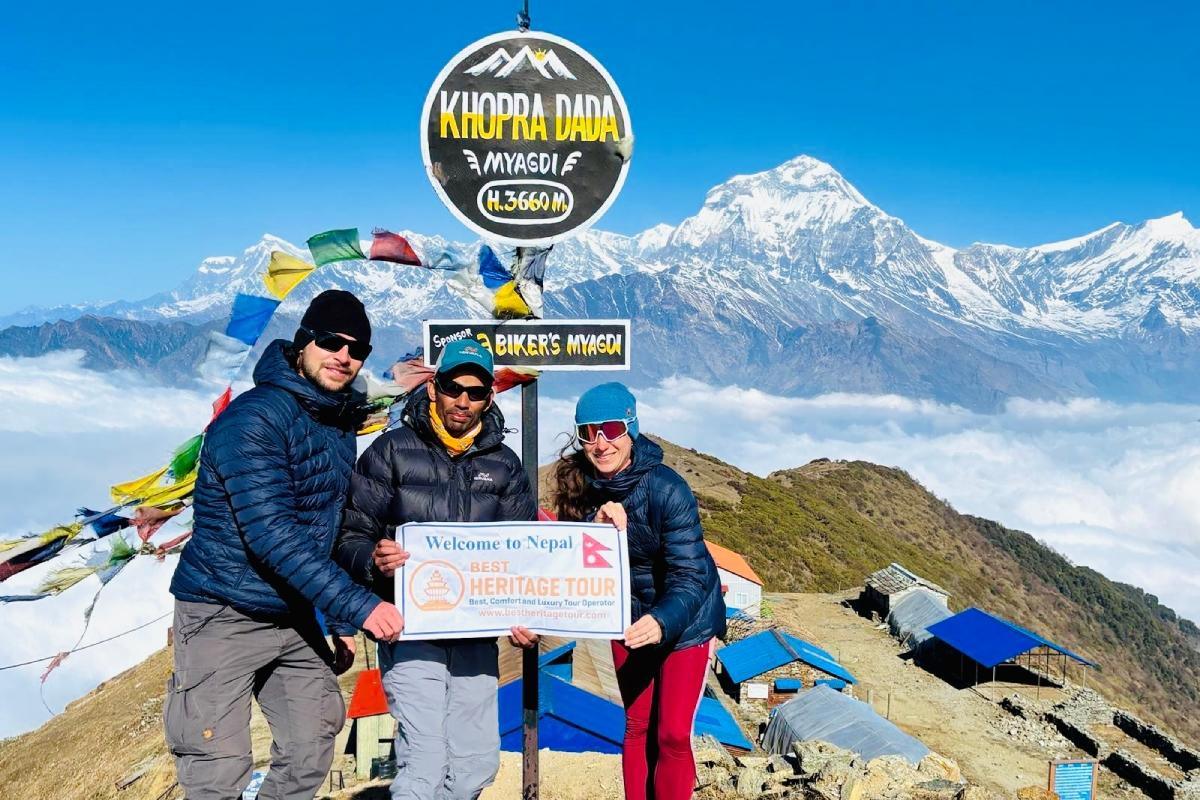
Everest Base Camp Trek
Everest Base Camp is the most famous route in the Himalaya. It runs from Lukla to 5,364 meters at base camp. Most hikers add Kala Patthar at 5,545 meters for sunrise views. This trek ranks among the top six treks in Nepal for its scale, Sherpa culture, and the Khumbu’s raw ice.
Key facts:
- Duration: 12 to 14 days from Lukla
- Highest points: Base Camp 5,364 meters, Kala Patthar 5,545 meters
- Difficulty: Moderate to hard due to altitude
- Permits: Sagarmatha National Park permit and local rural municipality entry
Highlights:
- Tengboche Monastery with Everest, Lhotse, and Ama Dablam views
- Namche Bazaar’s market and museums
- Khumbu Glacier and sunrise from Kala Patthar
Challenges:
- Lukla flights can delay or cancel due to weather
- Cold nights above 4,000 meters
- Risk of altitude illness if you rush
Personal tip:
- Add two acclimatization nights, not one, in Namche and Dingboche. I see fewer headaches and better sleep when teams rest more.
- Start hikes by 7 a.m. Trails are calmer and clouds rise late.
Best seasons:
- Spring from March to May
- Fall from late September to November
Annapurna Circuit Trek
The Annapurna Circuit crosses Thorong La at 5,416 meters. It blends river valleys, pine forests, and high desert zones. Road access now shortens the trek, yet the core still shines. It earns its spot in the top six treks in Nepal for sheer variety.
Key facts:
- Duration: 10 to 16 days depending on start and end points
- Highest point: Thorong La 5,416 meters
- Difficulty: Moderate to hard
- Permits: Annapurna Conservation Area Permit and TIMS as per current rules
Highlights:
- Manang acclimatization day with side hikes to ice lakes
- Muktinath temple and windy Kali Gandaki Valley
- Hot springs near Tatopani if you extend
Challenges:
- Wind after noon in the rain shadow
- Early starts are vital on Thorong La day
- Some road sections; choose side trails to avoid dust
Personal tip:
- Sleep in Yak Kharka, not Letdar, if you feel rushed. The extra hour of rest helps your body adjust.
- Carry a buff for dust and wind in Jomsom and beyond.
Best seasons:
- Spring and fall for clear skies
- The circuit’s rain shadow can be okay even in monsoon with care
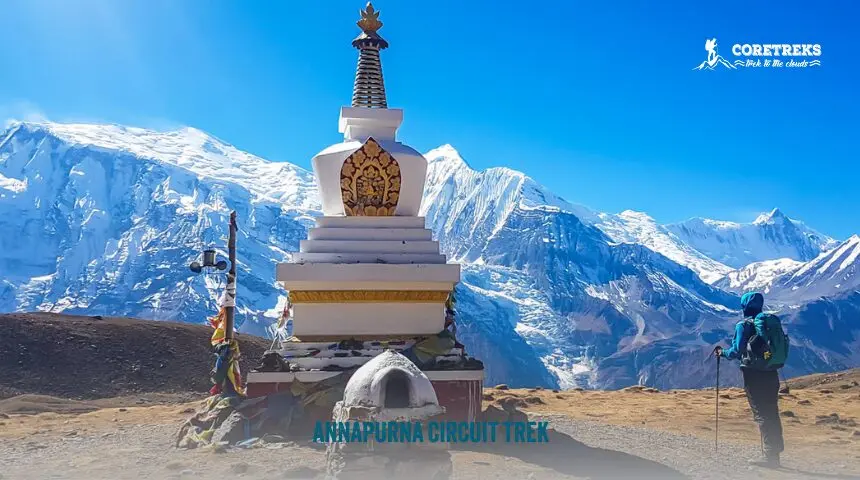
Annapurna Base Camp Trek
Annapurna Base Camp sits at 4,130 meters in a natural arena of peaks. It is shorter than the circuit and very scenic. Teahouses are friendly and trails are well marked. This classic route stands among the top six treks in Nepal for access and views.
Key facts:
- Duration: 7 to 12 days from Pokhara
- Highest point: Annapurna Base Camp 4,130 meters
- Difficulty: Moderate
- Permits: Annapurna Conservation Area Permit and TIMS
Highlights:
- Machhapuchhre’s sharp face at sunrise
- Bamboo and rhododendron forests
- Soaking at Jhinu Danda hot springs on the return
Challenges:
- Steps, many steps, which can bother knees
- Avalanche risk in late winter and early spring between Deurali and MBC
- Leech season in monsoon
Personal tip:
- Start early from Deurali on snow years. Ask locals about avalanche zones and current lines.
- Trek poles help on long stair descents.
Best seasons:
- March to May and late September to November

Manaslu Circuit Trek
Manaslu Circuit is remote and wild. It wraps around Mount Manaslu with a high cross at Larke La, 5,106 meters. Villages feel old and calm. This loop sits in the top six treks in Nepal for its solitude and culture.
Key facts:
- Duration: 12 to 14 days
- Highest point: Larke La 5,106 meters
- Difficulty: Moderate to hard
- Permits: Restricted Area Permit, Manaslu Conservation Area Permit, and Annapurna Conservation Area Permit, plus a licensed guide
Highlights:
- Nubri and Tsum cultural mix if you add a side trip
- Big glacier lines near Samagaun
- Fewer crowds than the big-name trails
Challenges:
- Landslide-prone sections after heavy rain
- Cold and windy on the pass
- Permit rules change; check current policy
Personal tip:
- Spend two nights in Samagaun and hike to Pungen Gompa or Manaslu Base Camp. My clients eat better, sleep better, and cross Larke La with more power.
- Pack warm gloves. The pass can sting your fingers even in fall.
Best seasons:
- Spring and fall
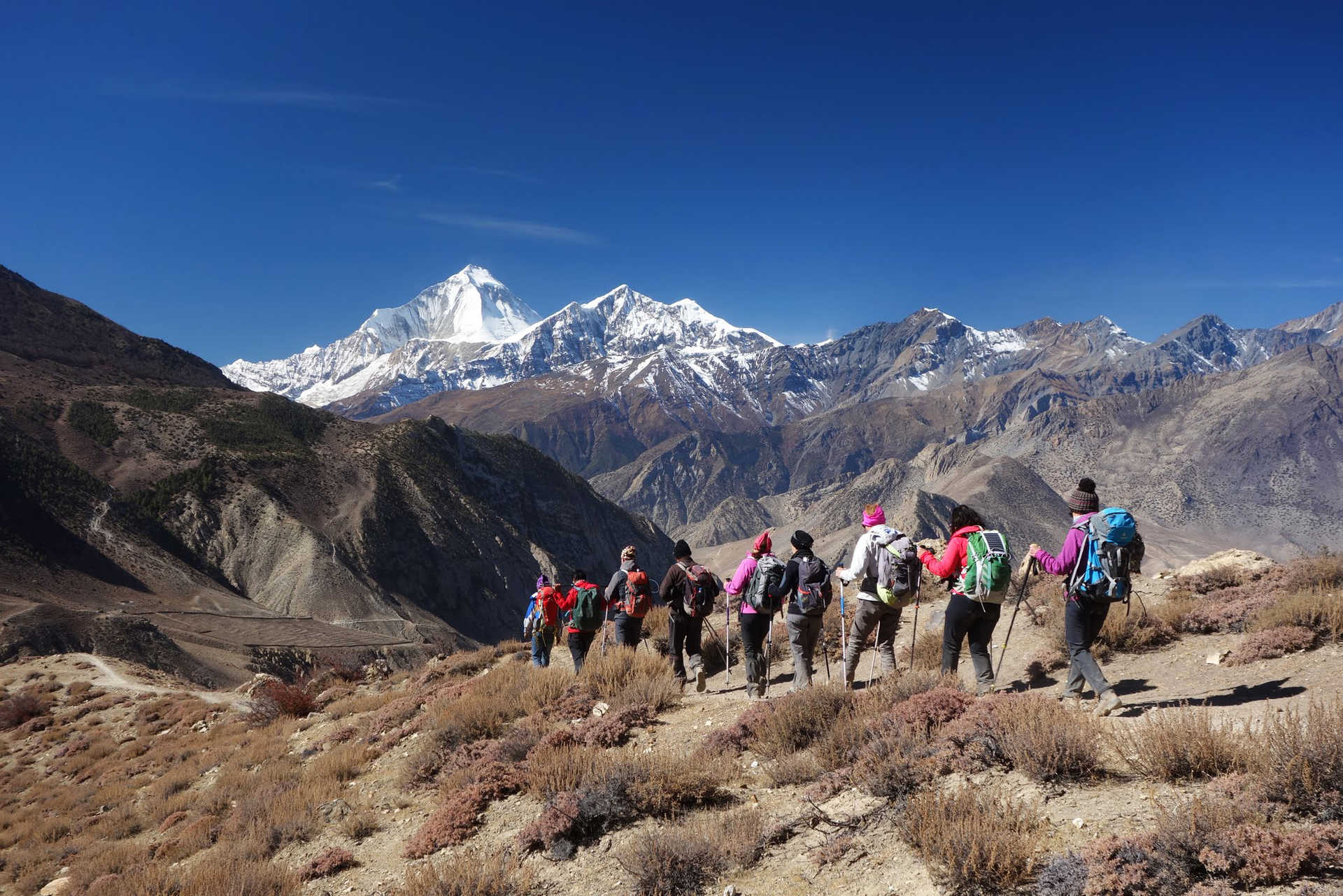
Langtang Valley Trek
Langtang sits north of Kathmandu. It is easy to reach and full of life. Kyanjin Gompa is the crown. Safe, steady gains make it a fine first high trek. It rightly belongs in the top six treks in Nepal due to access and summit-like day hikes.
Key facts:
- Duration: 6 to 9 days
- Highest day hikes: Kyanjin Ri 4,773 meters or Tserko Ri about 5,000 meters
- Difficulty: Moderate
- Permits: Langtang National Park entry and TIMS as applicable
Highlights:
- Sunrise from Kyanjin Ri with a sea of peaks
- Yak cheese factory visits
- Forests with red pandas in lower sections if you are lucky
Challenges:
- Steady climbs without long flats
- Cold mornings at Kyanjin
- Trails can be busy in peak months
Personal tip:
- Hike Tserko Ri for a tougher challenge. Carry water and a snack. I start at dawn to beat the wind and enjoy clear light.
Best seasons:
- Spring and fall
- It can be lovely right after monsoon when the air is crystal clear

Upper Mustang Trek
Upper Mustang is a rain shadow desert of ochre cliffs and caves. Lo Manthang, the walled city, is a cultural gem. The landscape feels like a Tibetan plateau inside Nepal. It closes the list of the top six treks in Nepal with a focus on heritage and color.
Key facts:
- Duration: 10 to 14 days
- Highest points: Around 4,200 meters on passes
- Difficulty: Moderate due to wind and long days
- Permits: Restricted Area Permit and Annapurna Conservation Area Permit with a licensed guide
Highlights:
- Lo Manthang’s royal palace and monasteries
- Sky caves and unique rock formations
- Treks during monsoon are possible due to the rain shadow
Challenges:
- Strong afternoon winds and dust
- Higher permit cost than other regions
- Limited water on some stages
Personal tip:
- Wear a good sun hat and buff. I also pack clear lens glasses for dust.
- Start very early. I aim to reach Lo Manthang before the worst winds rise.
Best seasons:
- Spring and fall
- Summer monsoon is also fair here compared to other regions

Best Time to Experience the Top Six Treks in Nepal
Most trails peak in spring and fall. Spring brings rhododendrons and mild temps. Fall brings clear skies and long views. This timing suits all in the top six treks in Nepal.
Season notes:
- Winter is cold but quiet. Expect snow on high passes.
- Monsoon brings rain and leeches in most areas. Upper Mustang is the key exception.
- Always check local reports. Conditions can change fast after storms.
I plan buffers around big passes like Thorong La and Larke La. A calm day is safer and more fun.
Permits, Guides, Costs, and Insurance
Each of the top six treks in Nepal has its own permit set. Most need a conservation permit and a trekker information card. Restricted areas like Manaslu and Upper Mustang need special permits and a licensed guide.
Budget guide:
- Daily spend in teahouses ranges from 30 to 60 USD, more in remote areas.
- Flights like Kathmandu to Lukla add cost and can delay.
- Insurance that covers high-altitude rescue is vital. Read the fine print.
Safety steps I follow:
- Gain no more than 500 meters sleeping altitude per day above 3,000 meters.
- Add rest days. Drink water. Skip alcohol at altitude.
- Carry a pulse oximeter and a basic first aid kit. I keep acetazolamide only if advised by my doctor.
Training and Gear for Long Himalayan Days
You do not need to be a pro to enjoy the top six treks in Nepal. You do need steady legs and lungs. A simple plan works well.
What to do 6 to 8 weeks before:
- Walk or hike three to four days a week with a pack.
- Add stair climbing or hill repeats.
- Do light strength work for legs and core.
What to carry:
- Broken-in boots and trekking poles
- A warm down jacket and a good rain shell
- Sun hat, buff, and gloves
- Water treatment and a headlamp
- A power bank for tea house nights
On trail, I keep snacks ready. Small bites every hour keep energy even on long climbs.
Sample Itineraries for the Top Six Treks in Nepal
Use these as a base and add buffer days:
- Everest Base Camp: Lukla to EBC and Kala Patthar in 12 to 14 days with two rest days.
- Annapurna Circuit: Besi Sahar to Jomsom or beyond in 12 to 16 days with one to two rest days.
- Annapurna Base Camp: Nayapul or Kande to ABC in 7 to 10 days with one rest day.
- Manaslu Circuit: Soti Khola to Dharapani in 12 to 14 days with one to two rest days.
- Langtang Valley: Syabrubesi to Kyanjin in 6 to 8 days with one rest day.
- Upper Mustang: Jomsom to Lo Manthang in 10 to 12 days with one rest day.
These plans fit most hikers and match the flow of the top six treks in Nepal. Adjust for fitness and weather.
Responsible Trekking and Local Impact
Trekking supports local families. Your choices matter. Pack out trash. Use lodge meals. Refill water with filters, not plastic.
Good habits:
- Stay on trails to avoid erosion.
- Ask before photos in villages and monasteries.
- Dress modestly in sacred places.
I carry a small trash bag and collect wrappers I find. It is a small act, but it adds up over weeks on the trail.
Frequently Asked Questions of top six treks in nepal
What is the best month to trek among the top six treks in Nepal?
October is the most stable and clear. April is also great with blooms and mild temperatures.
Do I need a guide for the top six treks in Nepal?
Some regions require licensed guides, like Manaslu and Upper Mustang. Rules change, so confirm current policy before you go.
How fit do I need to be for the top six treks in Nepal?
A person who walks or hikes often can finish most routes. Add hill training and you will enjoy the climbs more.
What are common risks on the top six treks in Nepal?
Altitude illness, weather, and slips are the main risks. Go slow, hydrate, and follow acclimatization rules.
How much does it cost to do the top six treks in Nepal?
Budget 40 to 70 USD per day in most regions, plus permits and transport. Restricted areas and flights add extra cost.
Can I trek during monsoon among the top six treks in Nepal?
Yes, but choose wisely. Upper Mustang is best in monsoon due to the rain shadow.
Are teahouses available on all of the top six treks in Nepal?
Yes, all six routes have teahouses. Quality varies, and remote areas may have simpler facilities.
Conclusion
Nepal offers six world-class routes that fit many goals and budgets. Everest Base Camp brings big peaks, Annapurna Circuit brings range, and Annapurna Base Camp brings access. Manaslu Circuit, Langtang Valley, and Upper Mustang bring solitude, culture, and unique terrain.
Pick the trek that matches your season, time, and style. Train a bit, add buffer days, and trek with care. Ready to plan your journey through the top six treks in Nepal? Share your questions, subscribe for trail updates, or leave a comment with your dream route today.


