

Travel Guide To Portugal [Top Sights, Tips & Map 2026]
Portugal blends old-world charm, Atlantic beaches, and easy, great-value travel.
If you want a travel guide to Portugal that is both practical and inspiring, you are in the right place. I plan trips here often, test routes, taste widely, and track updates from official tourism and transport sources. This travel guide to Portugal will help you choose the best time, plan routes, set a budget, and experience local culture with confidence. Read on for clear steps, real examples, and expert tips you can trust.
Best Time to Visit Portugal
Portugal enjoys mild weather all year. Spring and fall bring warm days, light crowds, and fair prices. Summer is hot and busy on the coast. Winter is calm and cool, with snow only in the highest mountains.
By region:
- Lisbon and Central Coast: Pleasant from March to June and September to November.
- Porto and the North: Green and cooler, with more rain in winter.
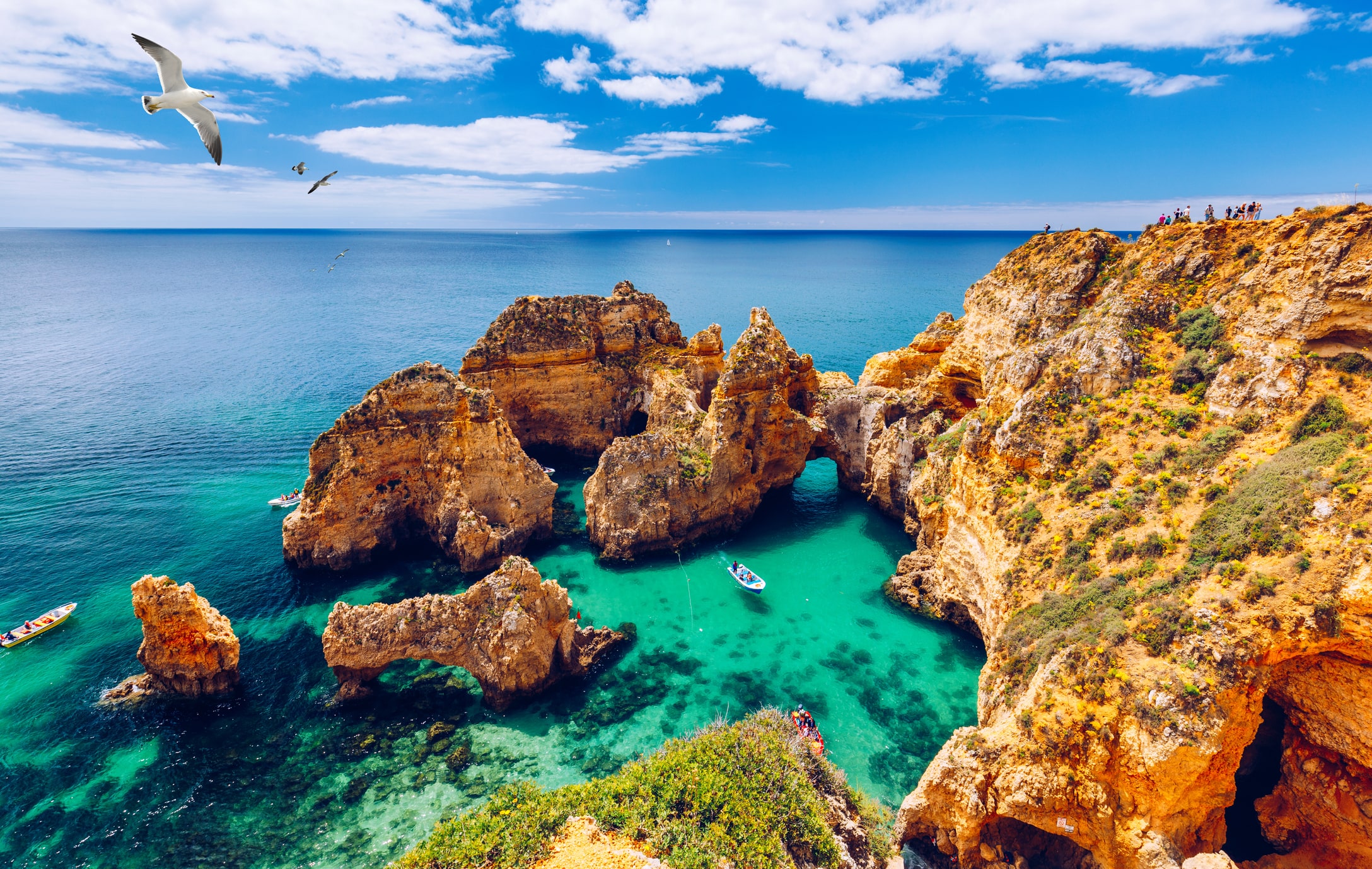
- Algarve: Sunny most of the year. Peak heat and crowds in July and August.
- Azores and Madeira: Mild, lush, and great for hiking. Expect microclimates and quick changes.
What I do: I visit in May or late September. I get beach days, open wineries, and shorter lines at Sintra. If you need festivals, look at June for Lisbon’s Santo António and Porto’s São João.
Quick tip: Book key sights early in peak months. This includes Pena Palace in Sintra and the Livraria Lello in Porto.
Entry Requirements, Money, and Budget Planning
Portugal is in the Schengen Area. Many travelers enjoy visa-free stays up to 90 days. Check your passport validity. Confirm Schengen rules before you fly. Travel insurance with medical cover is smart.
Money basics:
- Euro is the currency. Cards work almost everywhere.
- ATMs are common. Decline dynamic currency conversion.
- Tipping is modest. Round up or add 5–10% for great service.
Sample daily budgets per person:
- Saver: 50–80 EUR with hostels, public transit, and casual meals.
- Mid-range: 120–180 EUR with boutique stays and bistros.
- Comfort: 220–350+ EUR with top hotels, fine dining, and tours.
As part of this travel guide to Portugal, I track prices each season. Summer lifts hotel and car rental costs fast. Book early if you travel in July or August.
Getting Around Portugal
Portugal is easy to navigate. Use trains for speed between cities, buses to reach smaller towns, and cars for countryside and beaches.
Trains:
- Alfa Pendular and Intercidades link Lisbon, Coimbra, and Porto fast.
- Reserve seats on long routes.
- Regional trains reach Sintra, Cascais, and Aveiro with ease.
Buses:
- Reliable networks fill gaps beyond rail lines.
- Book online for peak weekends and holidays.
Driving:
- Great for the Algarve, Alentejo, Douro side roads, and national parks.
- Tolls are electronic on many highways. Get a transponder or pay online.
- Park outside old town centers. Streets can be narrow.
Transit passes:
- Lisbon: Viva Viagem or Navegante cards work on metro, trams, and buses.
- Porto: Andante card covers metro and buses, plus the airport link.
I ride the Alfa Pendular from Lisbon to Porto in under three hours. It is smooth, on time, and has Wi‑Fi. For the Douro Valley, I rent a car and stop at viewpoints and quintas. This travel guide to Portugal favors the right tool for each route.
Top Destinations and Suggested Itineraries
Start with the classics, then add a region that fits your style.
Highlights:
- Lisbon: Tram rides, Alfama lanes, Belém’s monuments, Time Out Market, MAAT, and river sunsets.
- Sintra: Pena Palace, Moorish Castle, and lush gardens. Go early or late to avoid lines.
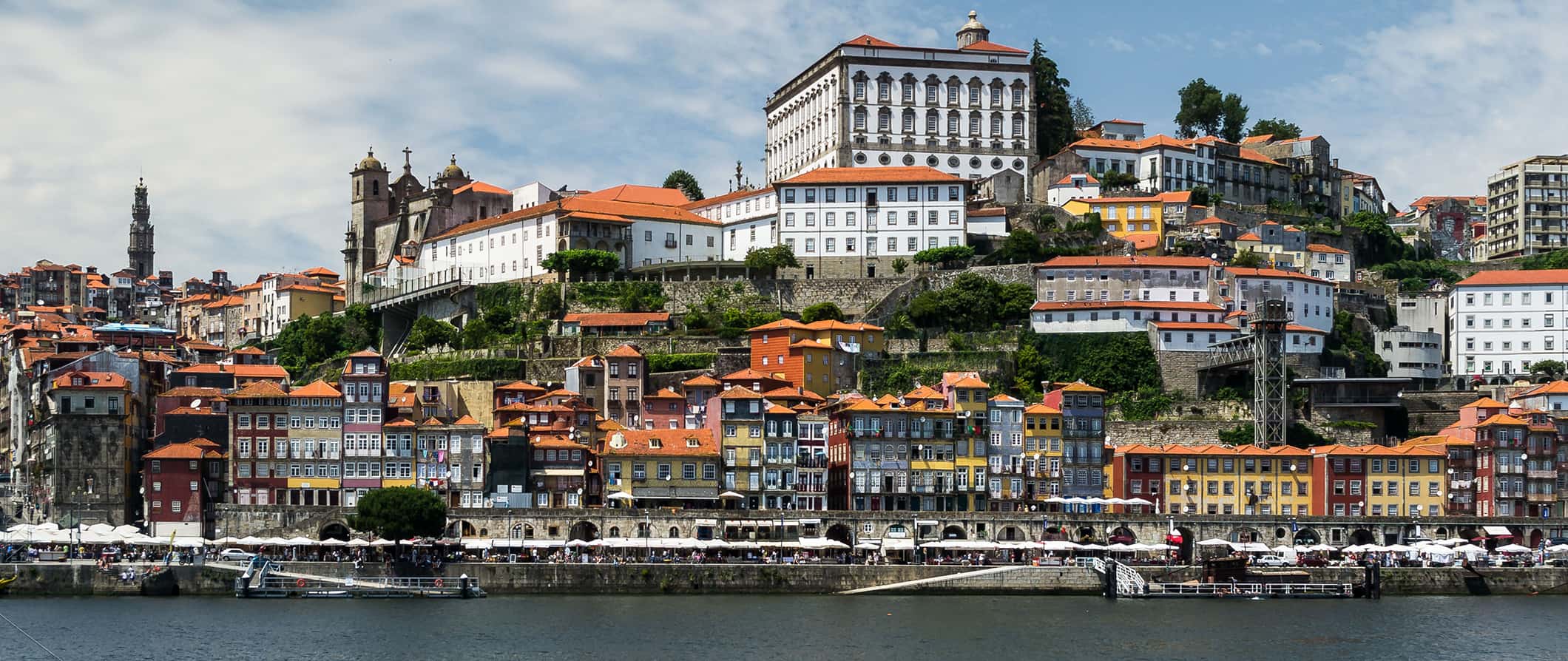
- Porto: Ribeira views, port wine cellars in Vila Nova de Gaia, and the Dom Luís I Bridge.
- Douro Valley: Terraced vines, river cruises, and tastings at historic quintas.
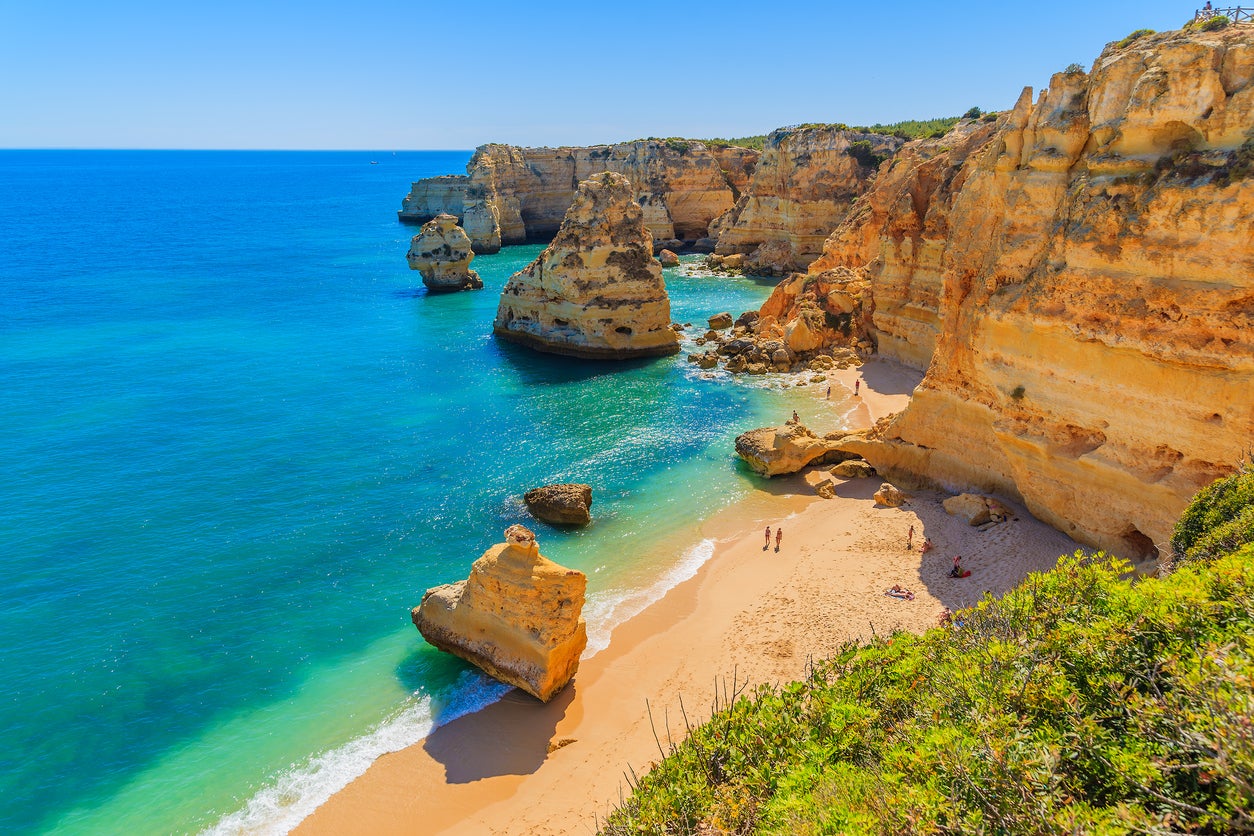
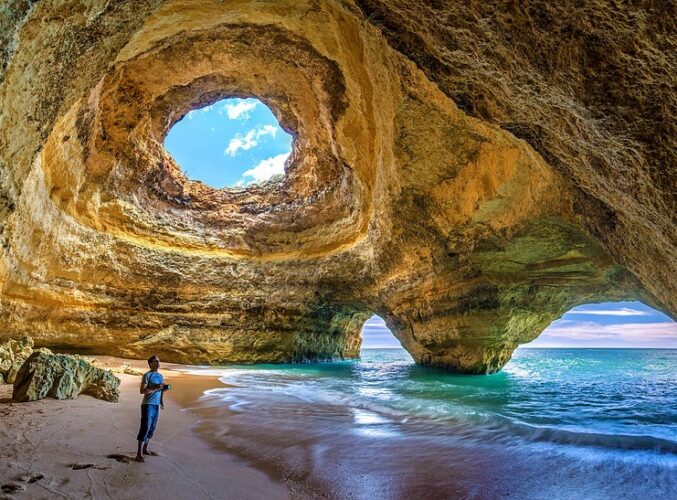
- Algarve: Cliffs, caves at Benagil, Lagos beaches, and quiet coves near Tavira.
- Alentejo: Évora’s Roman past, white towns like Monsaraz, cork forests, and slow food.
- Coimbra and Aveiro: Old university charm and canals with colorful boats.
- Braga and Guimarães: Baroque churches, sacred steps, and birthplace of Portugal lore.
- Azores: Volcanic lakes, whales, and hot springs. São Miguel is a great first base.
- Madeira: Levada walks, gardens, and cliff views. A nature retreat with great weather.
Sample routes:
- 7 days first-timer: Lisbon 3 nights, Porto 2 nights, Douro day trip, Sintra day trip.
- 10 days coastal and wine: Lisbon 3, Algarve 3, Porto 3, Douro 1.
- 10 days islands: Madeira 5 and Azores 5, with hikes and whale watching.
Personal tip: For Sintra, I buy palace tickets online, then follow a loop by bus and short walks. It saves time and steps. This travel guide to Portugal focuses on simple, smooth moves between sights.
Food, Wine, and Cultural Etiquette
Portugal feeds you well. Portions are large, flavors are bright, and prices are kind.
What to try:
- Pastéis de nata, grilled sardines, bacalhau, caldo verde, and piri-piri chicken.
- Francesinha in Porto, cataplana seafood in the Algarve, and porco preto in Alentejo.
- Wines from Douro, Dão, Alentejo, Vinho Verde, and Madeira. Port for dessert or cheese.
Dining tips:
- Bread, olives, and cheese may add a small cover charge. Say no politely if you do not want them.
- Lunch runs 12:30–15:00, dinner from 19:30. Many kitchens close mid‑afternoon.
- Coffee culture is strong. Ask for a bica in Lisbon or a cimbalino in Porto.
Etiquette:
- A bom dia and a smile go far.
- Dress modestly in churches.
- Keep voices lower on trams and in small restaurants.
I keep a short list of tasca spots near my hotel. I ask the host for the dish of the day. This travel guide to Portugal favors seasonal fish and house wines for the best value.
Where to Stay and Neighborhood Guide
Pick areas that match your pace.
Lisbon:
- Baixa and Chiado for first-timers near sights and transit.
- Alfama for charm and views, but expect hills and steps.
- Príncipe Real and Avenida for style and calmer nights.
- Belém for museums and riverside walks.
Porto:
- Ribeira for views and vibe.
- Baixa for dining and shopping.
- Cedofeita and Boavista for quieter, local stays.
Algarve:
- Lagos for beaches and old town life.
- Tavira for calm and nature.
- Albufeira for resorts and nightlife.
- Sagres for surf and sunsets.
Booking tips:
- Reserve summer stays three to six months early.
- Look for breakfast included to save time and budget.
- Check if your stay sits in an uphill area. Your legs will thank you later.
When I plan a family trip, I choose apartments with a washing machine. When I travel solo, I pick central hotels to cut transit time. This travel guide to Portugal helps match stays to your needs.

Safety, Health, and Responsible Travel
Portugal is safe and welcoming. Street crime is rare in most areas. Pickpockets can work crowded trams and tourist zones. Keep a zipped bag in front and stay aware.
Health:
- Tap water is safe to drink.
- Pharmacies are common and helpful.
- Summer sun is strong. Use sunscreen and carry water.
Responsible travel:
- Respect local homes in historic quarters. Keep noise down at night.
- Reduce plastic. Refill your bottle at hotels and cafes.
- Choose tours that support small producers, like family quintas and local guides.
I carry a simple day pack with a cross-strap and store passports in the hotel safe. This travel guide to Portugal puts care and respect first, for you and for the places you visit.

Packing List and Practical Apps
Pack light. Streets can be steep, with cobbles that test wheels and ankles.
Essentials:
- Good walking shoes with grip.
- Light layers, a packable rain jacket, and sun protection.
- A universal adapter and power bank.
- Swimsuit and quick-dry towel if you head south or to the islands.
Seasonal notes:
- Summer: Breathable fabrics and a hat.
- Spring and fall: A sweater and light scarf.
- Winter: A warm coat in the north and center.
Useful apps:
- CP and Rede Expressos for trains and buses.
- Lisboa Viagem and Metro do Porto for transit.
- Maps and rideshares for last-mile hops.
- Museum and palace sites for timed tickets.
As a final nudge from this travel guide to Portugal, keep your bag under 10 kg. You will move faster and feel free.
Frequently Asked Questions of travel guide to portugal
What is the best time to visit Portugal?
Late spring and early fall offer warm weather, fewer crowds, and fair prices. Summer is beach-perfect but busy, while winter is quieter with cooler days.
Do I need a visa to enter Portugal?
Many travelers can visit visa-free for up to 90 days under Schengen rules. Check your passport and the latest entry policies before you book.
Is Portugal expensive for travelers?
Portugal offers strong value compared with many Western European countries. Costs rise in July and August, so book early for peak season.
Should I rent a car in Portugal?
Rent a car for the Algarve, Alentejo, and rural wine regions. Use trains and buses for city-to-city travel and avoid parking stress in old towns.
Is tap water safe to drink in Portugal?
Yes, tap water is safe in most places. If the taste is mineral-rich, buy bottled water or use a filter.
What are must-try foods in Portugal?
Try pastéis de nata, bacalhau, grilled sardines, caldo verde, and regional wines. In Porto, order a francesinha; in the Algarve, taste cataplana.
Is Portugal safe for solo travelers?
Yes, it is considered very safe. Stay aware in crowded spots and use normal city smarts.
Conclusion
Portugal rewards smart planning with easy days, warm people, and deep culture. You now have a clear travel guide to Portugal that covers timing, transport, food, stays, and safety. Use it to design a trip that fits your style, pace, and budget.
Start by picking dates and one or two anchor cities, then add day trips and a countryside escape. Ready to go deeper? Bookmark this travel guide to Portugal, share it with a friend, and subscribe for fresh, field-tested tips before you fly.


