

Travel Guide To Washington DC [Insider Tips 2026]
Washington, DC is a walkable capital with free museums, iconic monuments, and easy transit.
You are in the right place. This travel guide to washington dc gathers expert tips, simple plans, and real-life advice to help you see more with less stress. I have walked the Mall at sunrise, tested routes, and timed busy spots. Read on for a clear, proven plan you can trust.

When to Visit and Weather
Spring and fall are best. Cherry blossoms usually peak from late March to early April, but dates shift by a week or two. October brings crisp air, thinner crowds, and warm color along the Mall.
Summer is hot and humid. If you come in July or August, tour early, rest at noon, and go out again at dusk. Winter is mild compared to many US cities, yet wind near the Potomac can cut through layers. Check museum hours around holidays.
Plan around big events. The National Cherry Blossom Festival, July 4 fireworks, and major rallies add energy, but also long lines and higher hotel rates. Book early and keep flexible time in your day.
For clarity and planning ease, this travel guide to washington dc highlights peak times, crowd patterns, and smart weather moves so you can enjoy more and wait less.
Getting Around the Capital
The Metro is the fastest way to move between neighborhoods. Buy a SmarTrip card or use the mobile app to tap in and out. Fares vary by distance and time of day. There are 1-, 3-, and 7-day unlimited passes if you plan many rides.
Buses fill gaps the Metro misses. The DC Circulator costs about a dollar and runs simple routes, including the National Mall. Rideshare and taxis are easy to find, but traffic can slow you down from late afternoon to early evening.
Airports are well linked. DCA sits on the Yellow and Blue lines. IAD connects by the Silver Line to the terminal. BWI links by MARC or Amtrak to Union Station, then the Red Line. If you drive, expect pricey parking and tight spaces downtown.
From my trips, I save 30 minutes a day by using Metro for longer hops and walking the rest. Keep your map offline, carry water, and wear broken-in shoes. This travel guide to washington dc makes these moves simple and repeatable.

Where to Stay by Neighborhood
Pick your base by your style, not just by price. Commuting time shapes your day.
- Penn Quarter/Chinatown: Walk to museums, the Capital One Arena, and many restaurants. Great for first-timers.
- Capitol Hill: Quiet streets near the Library of Congress and Eastern Market. Good for families.
- The Wharf/Navy Yard: Waterfront walks, baseball games, and sunset views. Modern hotels and dining.
- Dupont Circle/Logan Circle: Classic rowhouses, lively food scene, and easy Metro links.
- Georgetown: History, canal paths, and upscale shops. No Metro stop, but great charm.
- Arlington (Rosslyn, Clarendon): Often better rates, quick Metro rides, and strong dining options.
I like Dupont for late dinners and a relaxed feel, plus direct Red Line access. If you want water views and new builds, try The Wharf. For a budget win, look at Arlington near a Metro stop. This travel guide to washington dc balances price, access, and mood so you land in the right spot.
Must-See Sights and Free Museums
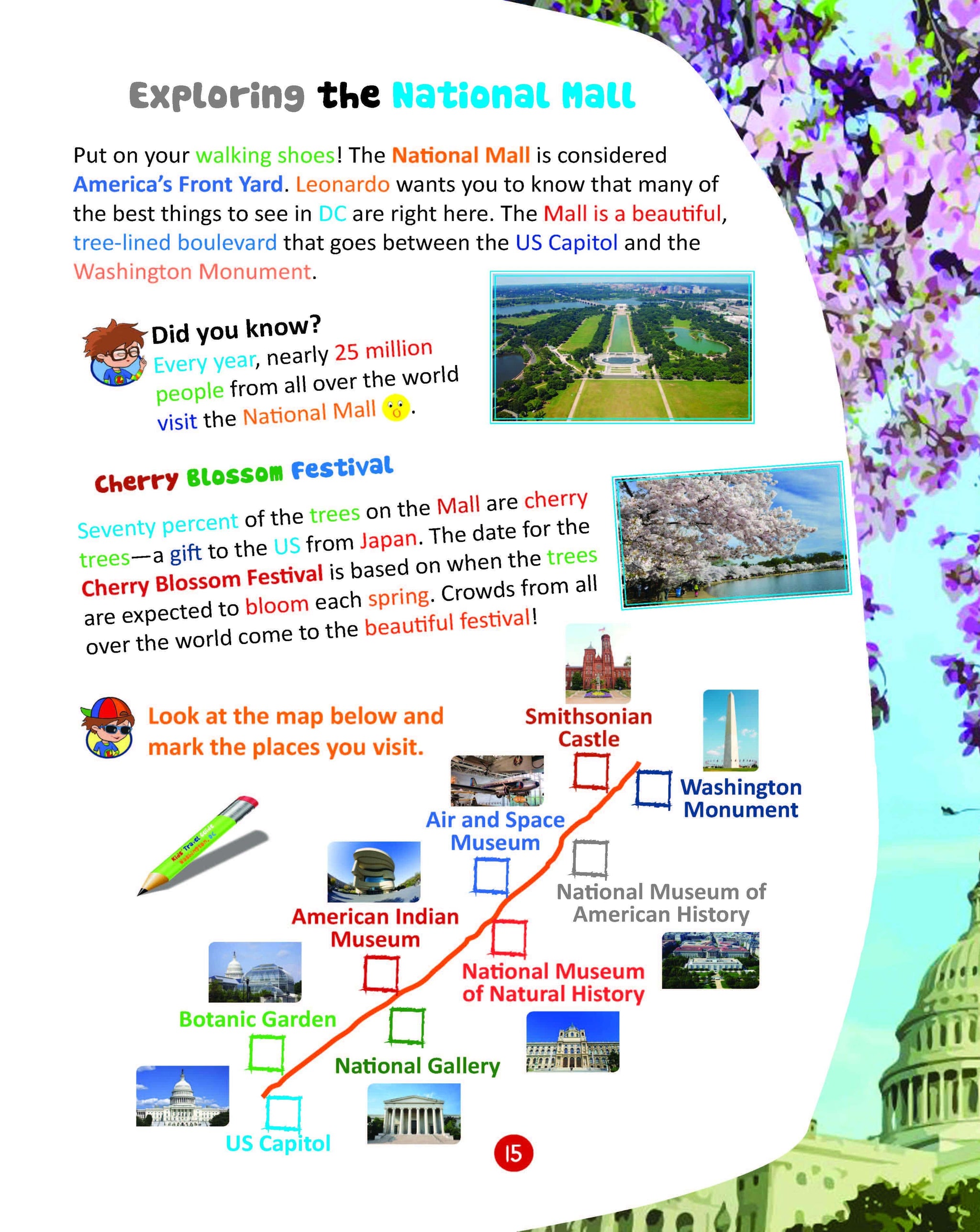
The National Mall strings together the big icons. Start early at the Lincoln Memorial before the crowds. Walk past the Vietnam Veterans and Korean War memorials to the World War II Memorial. The Reflecting Pool at sunrise is a simple, calm joy.
Most Smithsonian museums are free. Top picks include the National Museum of American History, the National Museum of Natural History, and the National Gallery of Art. The Air and Space Museum is stunning but can be very busy. The National Museum of African American History and Culture uses free timed-entry on many days; check the official site.
Civic sights add depth. The Capitol Visitor Center runs free tours. The Library of Congress is breathtaking and often requires a free timed pass. White House tours must be requested in advance through your representative or embassy.
I often pair one museum, one memorial walk, and one civic site per day. It keeps pace steady and spirits high. This travel guide to washington dc helps you plan that balance with ease.

Hidden Gems and Local Moments
Step off the Mall for texture and calm.
- Theodore Roosevelt Island: Wooded trails and Potomac views a short walk from Rosslyn.
- Kenilworth Aquatic Gardens: Lotus and water lilies in summer; quiet and vivid.
- National Arboretum: The old Capitol Columns and a bonsai collection that stuns.
- Planet Word: A fresh museum about language with smart, interactive exhibits.
- Hirshhorn Sculpture Garden: Outdoor art and shade near the Mall.
- Eastern Market and Union Market: Food halls, crafts, and local flavor.
- The REACH at the Kennedy Center: Free events, river walks, and skyline views.
Two lessons from my visits: go early or late for these spots, and bring snacks so you can linger. This travel guide to washington dc puts these small wonders on your map so you get big value from short detours.

Food and Drink Guide
DC eats well and wide. Try a half-smoke at Ben’s Chili Bowl for a classic bite. Sample Chesapeake blue crab or local oysters when in season. For global flavors, explore Ethiopian along U Street and Adams Morgan.
Reserve for top spots, especially on weekends. DC has a strong fine-dining scene, from creative tasting menus to bold Spanish plates. If you prefer casual, look for fast-casual salad bowls, shawarma, or noodle shops near offices and campuses.
For coffee, head to a local roaster and start early. Breakfast crowds build fast, but a pre-9 a.m. visit is smooth. This travel guide to washington dc includes food picks that fit busy touring days without losing taste or time.

A Practical 3-Day Itinerary
Day 1: Monuments, Mall, and Museums
- Sunrise at the Lincoln Memorial and Reflecting Pool.
- Walk to the Vietnam, Korean War, and World War II memorials.
- Visit the National Museum of American History.
- Lunch near the Mall; then Natural History or the National Gallery of Art.
- Sunset at the Tidal Basin by the Jefferson Memorial.
Day 2: Civic Core and Culture
- Capitol tour in the morning; then the Library of Congress.
- Quick look at the Supreme Court exterior and schedule a lecture if offered.
- Lunch at Eastern Market.
- Afternoon at the Air and Space Museum.
- Dinner in Penn Quarter; night walk past the lit-up monuments.
Day 3: Neighborhoods and Views
- Georgetown canal walk and waterfront.
- Uber or bus to the National Arboretum or Theodore Roosevelt Island.
- Late lunch at Union Market.
- Golden-hour views from The REACH at the Kennedy Center or The Wharf piers.
Keep breaks between big stops. Group nearby sights. Limit your daily list to three anchor moments. This travel guide to washington dc gives you a clean path with room for joy and serendipity.

Budget, Passes, and Practical Tips
Most major museums are free, so attraction passes offer less value here than in other cities. Consider a hop-on, hop-off bus pass if you like easy narration and no transfers. Otherwise, put savings into a well-located hotel to cut transit time.
Smart money moves: ride Metro off-peak when possible, refill your water bottle at museums, and plan one picnic lunch on the Mall. Book timed-entry museums first, then fit extras around them. Mondays can be quiet; some smaller sites and restaurants may close.
Always check official sites for hours, security rules, and timed passes. Policies shift during renovations or busy seasons. This travel guide to washington dc keeps you focused on what still works if something changes last minute.
Safety, Etiquette, and Accessibility
DC is a big city with a small footprint. Stay aware, keep bags closed, and avoid empty blocks late at night. On the Mall, crowds are dense yet calm; step aside for photos so paths stay clear.
Security lines are part of the experience. Pack light. Many buildings have airport-style checks. Metro stations have elevators, but outages happen. Check service status if you need step-free routes.
Most Smithsonian museums offer ramps, wheelchairs, and accessible restrooms. Staff are helpful and used to visitors with different needs. This travel guide to washington dc centers comfort, clear choices, and respect for public spaces.
Frequently Asked Questions
How many days do I need for Washington, DC?
Three full days cover the Mall, a few museums, and two neighborhoods. Add a fourth day for slower meals, more art, or a day trip to Mount Vernon or Old Town Alexandria.
Do I need tickets for Smithsonian museums?
Most Smithsonian museums are free without tickets. A few use free timed-entry on busy days, so check the official site before you go.
What is the best way to get around?
Use the Metro for speed and buses for short gaps. Walk the Mall and nearby clusters; rideshare helps late at night or across the river.
When is cherry blossom season?
Peak bloom usually lands in late March or early April. Dates shift with weather, so watch the bloom forecast two to three weeks ahead.
Can I tour the White House or the Capitol?
White House tours require advance requests through your representative or embassy. The Capitol offers free tours via the Visitor Center; book times online.
Is Washington, DC expensive to visit?
Lodging and dining can be pricey, but free museums offset costs. Stay near a Metro stop, eat some casual meals, and plan timed entries to save time and money.
What should I wear for a day on the Mall?
Wear broken-in shoes, breathable layers, and a hat in summer. Bring a small daypack, water, and sunscreen.
Conclusion
Washington, DC rewards smart planning with rich days and calm nights. Pace yourself, group nearby sights, and lean on free museums to stretch both time and budget. With a simple plan, you can see more and feel less rush.
Use this travel guide to washington dc to book key entries, map short walks, and choose a base that fits your style. Start now: pick your dates, reserve your tours, and save this guide. Share your questions or trip wins in the comments and subscribe for more city-ready plans.


