

Vancouver Island Travel Guide [Top Sights, Tips 2026]
Vancouver Island blends wild coastlines, vibrant cities, and rich culture into one unforgettable trip.
This vancouver island travel guide gives you clear routes, top sights, and smart tips to plan well. I have explored the island in all seasons, from calm summer bays to winter storm fronts in Tofino. You will find real advice based on on-the-ground experience. Use this vancouver island travel guide to build an easy, flexible plan that fits your time and budget.
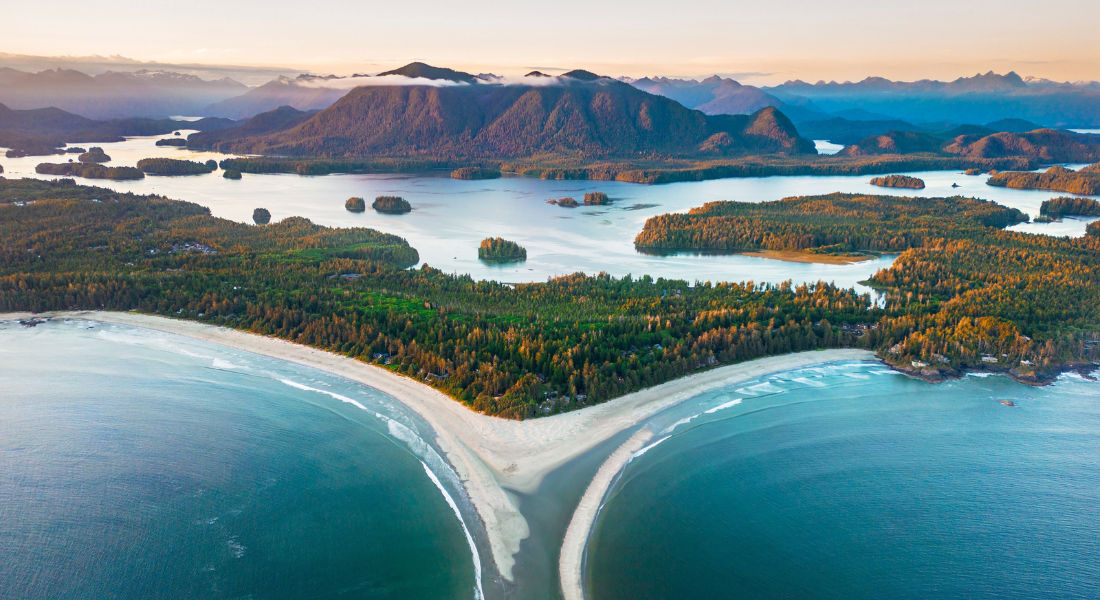
How to use this vancouver island travel guide
This guide is simple. Start with when to go, then pick how to get around. Scan the regions to match your style. Use the sample itineraries to shape your days, and finish with packing, safety, and budget notes. This vancouver island travel guide also shares my tested lessons, so you avoid common mistakes.

Best time to visit Vancouver Island
Summer is warm, dry, and busy. July and August bring long days, calm seas, and high prices. Book well ahead for Tofino and Victoria.
Spring is mild. May and June are great for wildflowers, shoulder season rates, and fewer crowds. Whale tours ramp up.
Fall is crisp and golden. September and early October have clear trails, warm water, and harvest events. Storm watching begins in late fall.
Winter is for storms and quiet towns. Tofino and Ucluelet shine with dramatic surf. Dress for wind and rain. This vancouver island travel guide recommends winter only if you enjoy cozy lodges and moody skies.
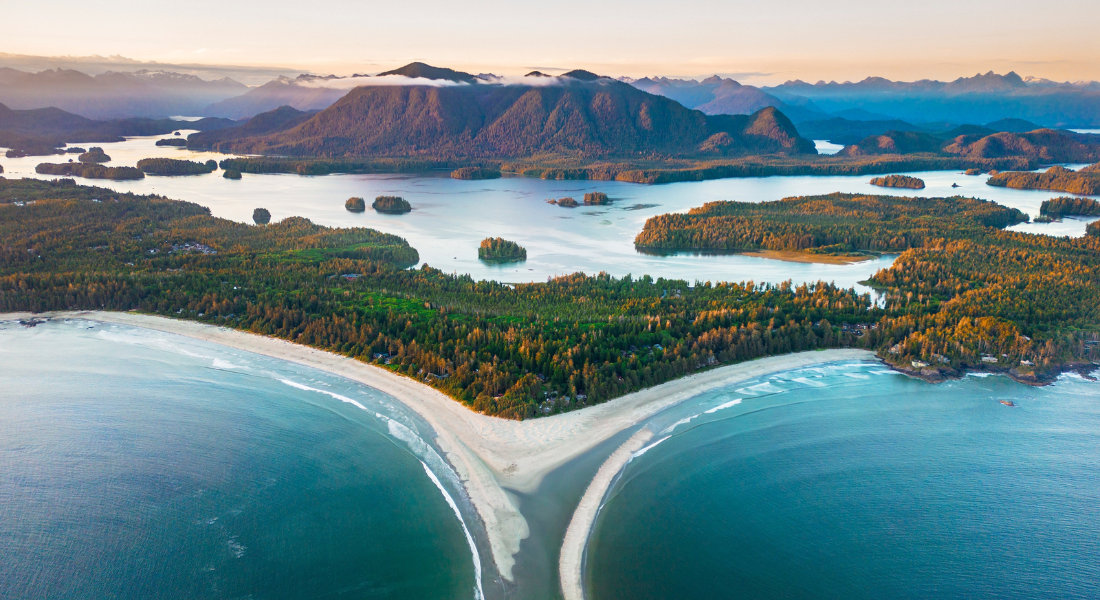
Getting there and getting around
Ferries
- BC Ferries sail from Tsawwassen and Horseshoe Bay to Swartz Bay (Victoria) and Departure Bay or Duke Point (Nanaimo). Reserve in peak season.
- Foot passengers can use buses at major terminals. Cars give the most freedom.
Flights
- Victoria (YYJ) and Nanaimo (YCD) have direct flights from major Canadian hubs.
- Seaplanes connect Vancouver to Victoria Inner Harbour, Nanaimo, Tofino, and more. Great views and time savings.
Driving times
- Victoria to Nanaimo: about 1.5 hours.
- Nanaimo to Tofino: about 3 hours on Highway 4. Allow more in summer due to road work and stops.
Transit and tours
- Island Link and local buses cover key routes but can be slow.
- Day tours run from Victoria to Butchart Gardens, wineries, and wildlife trips.
- Biking works well in Victoria and the Cowichan Valley Trail.
This vancouver island travel guide suggests a car for full flexibility, especially for the west coast.

Top regions and routes
The island is larger than it looks. Focus on clusters so you do not rush.
Victoria and Sidney
- Walk the Inner Harbour, Parliament Buildings, and Beacon Hill Park.
- Visit the Royal BC Museum and Butchart Gardens.
- Dine on the waterfront or in cozy pubs.
Cowichan Valley
- Vineyard tours, farm-to-table spots, and mellow trails.
- Kayak at Maple Bay. Stay in a countryside inn.
Nanaimo and Parksville–Qualicum
- Family beaches, tidal pools, and Rathtrevor Provincial Park.
- Snack on the Nanaimo Bar Trail for a sweet detour.
Tofino and Ucluelet (Pacific Rim)
- Surf, storm watch, and hike the Wild Pacific Trail.
- Stroll Long Beach and explore rainforest boardwalks.
Comox Valley and Cumberland
- Mountain biking, farm markets, and Mount Washington day trips.
- Winter snow sports, summer alpine hikes.
Campbell River and Quadra Island
- Salmon capital. Bear and whale tours.
- Quiet coves and First Nations art studios.
North Island (Port Hardy, Telegraph Cove)
- Less crowded, wilder vibe.
- Orca and grizzly tours, remote beaches, and tall trees.
Gulf Islands (Salt Spring, Galiano, Pender)
- Art markets, calm bays, and a slow pace.
- Ideal for weekend escapes.
For first-time trips, this vancouver island travel guide suggests pairing Victoria with either the Pacific Rim or the Parksville area.
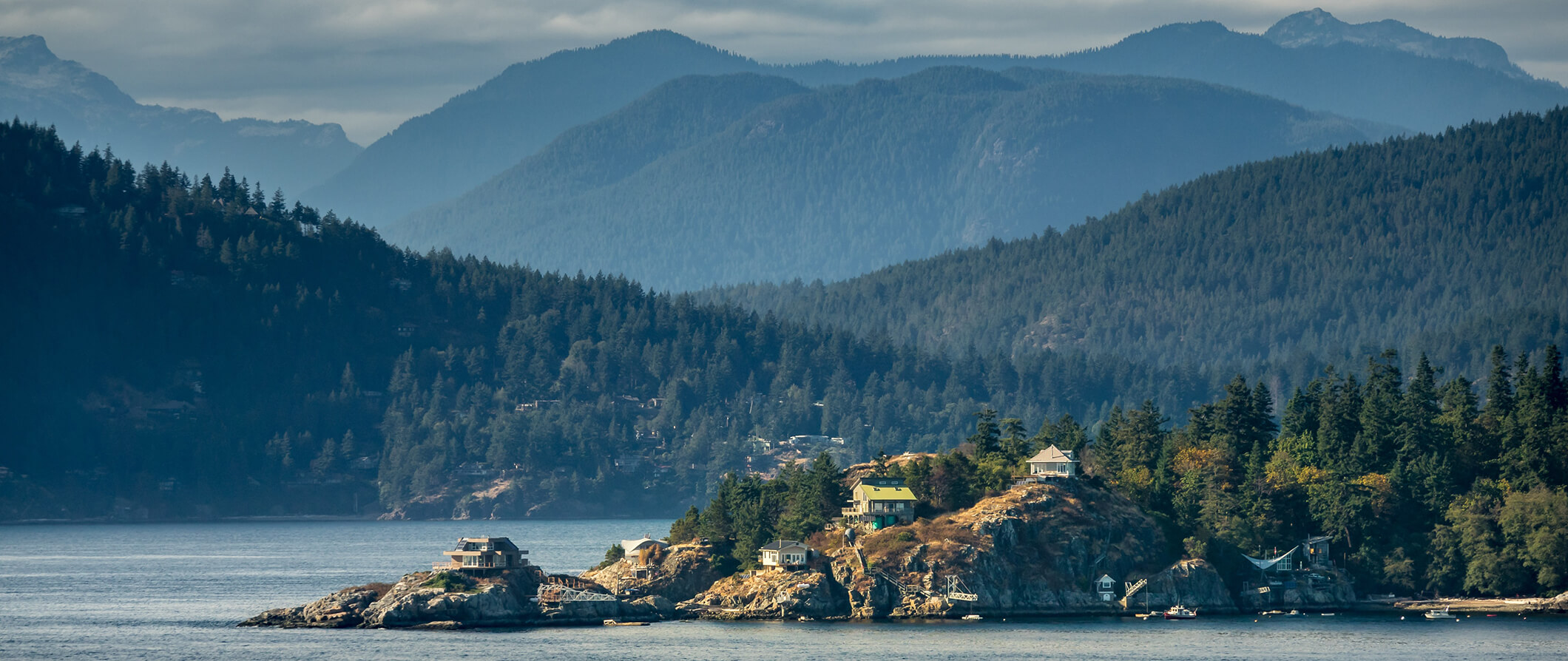
Things to do on Vancouver Island
Outdoors
- Hike coastal trails like the Wild Pacific Trail and East Sooke Park.
- Explore old-growth forests in Cathedral Grove and Carmanah.
Water and wildlife
- Join a whale or bear tour from Tofino, Ucluelet, or Campbell River.
- Sea kayak in calm inlets. Always check tides and weather.
Culture and history
- Learn at cultural centers and museums across the island.
- Visit lighthouses, heritage sites, and local galleries.
Food and drink
- Try spot prawns, halibut, Dungeness crab, oysters, and salmon.
- Sip craft beer, cider, and Cowichan wines. Book tastings ahead.
Wellness
- Soak in seaside hot tubs and book spa time in Tofino or Victoria.
- Join a yoga class with ocean views.
This vancouver island travel guide balances iconic sights with hidden, low-key stops, so you enjoy both.
Sample itineraries
Three days: Victoria and Sooke
- Day 1: Victoria Inner Harbour, Royal BC Museum, and a sunset stroll.
- Day 2: Butchart Gardens and a seaside dinner.
- Day 3: Drive to Sooke for East Sooke Park hikes. Return flight or ferry.
Five to seven days: Classic south-to-west loop
- Days 1–2: Victoria and Cowichan tasting rooms.
- Days 3–5: Tofino and Ucluelet for beaches, a whale tour, and the Wild Pacific Trail.
- Days 6–7: Parksville for tidal pools and Cathedral Grove, then ferry from Nanaimo.
Ten to fourteen days: Deep dive
- Add Comox Valley and Campbell River for wildlife and alpine time.
- Include Quadra or a Gulf Island for quiet beaches and art markets.
Use this vancouver island travel guide to swap days as needed without losing flow.
Where to stay
- Hotels and resorts: Book early for summer in Victoria and Tofino.
- Cabins and lodges: Great for families and storm season. Many have kitchenettes.
- B&Bs and inns: Personal touches and local tips.
- Camping: Reserve provincial and national park sites far ahead. Walk-in sites may be first-come, first-served.
Shoulder seasons offer better rates and easier bookings. This vancouver island travel guide notes that oceanfront rooms go first during storms and sunsets.
Costs, money, and traveler tips
Budget ranges per person per day
- Budget: 75–125 CAD with hostels, picnics, and buses.
- Mid-range: 150–300 CAD with casual dining and a car.
- Luxe: 350+ CAD with oceanfront stays and guided tours.
Money tips
- Cards are widely accepted. Carry some cash for small shops and markets.
- Tipping is common: 15–20% in restaurants, 10% for tours if service was good.
Booking tips
- Reserve ferries and lodging early in summer.
- Flexible dates can cut costs. Weekdays are often cheaper.
This vancouver island travel guide helps you match experiences to your budget without missing key sights.
Safety, wildlife, and responsible travel
- Bears and cougars live here. Keep food sealed, make noise on trails, and never approach wildlife.
- Tides can change fast. In places they can exceed three meters. Check tide tables before beach walks.
- Storm watching is powerful. Stay back from logs and incoming waves.
- Drive with care. Allow extra time on Highway 4 and in heavy rain.
- Pack layers and a waterproof shell. Weather shifts often.
- Practice Leave No Trace. Stay on trails and carry out all waste.
This vancouver island travel guide trusts park staff advice. If in doubt, ask local rangers or visitor centers.
What to pack
- Layers: base, warm mid-layer, and waterproof shell.
- Footwear: grippy hikers and beach sandals.
- Daypack: water, snacks, map, and a small first-aid kit.
- Sun and bug care: hat, sunscreen, and repellent.
- Extras: headlamp, reusable bottle, dry bag for boats, and binoculars.
This vancouver island travel guide also suggests motion meds for ferries and small planes if you get seasick.
Personal notes and lessons learned
- Start early. Trails and bakeries are calm in the morning. Parking is easier too.
- Pad your schedule. I add at least 20% extra time for stops and views.
- Book one anchor activity per day. A whale tour or a long hike is enough. Leave space for serendipity.
- Eat local. My best meals have been simple: oysters in Ucluelet, salmon in Campbell River, and bakery treats in Cumberland.
- Respect the sea. I once misread a tide window and had a long detour. Now I double-check tables before every beach hike.
Use this vancouver island travel guide to plan well, then let the island’s pace slow you down.
Frequently Asked Questions of vancouver island travel guide
What is the best month to visit?
September balances warm water, clear trails, and fewer crowds. July and August are sunny but busy and pricey.
Do I need a car on Vancouver Island?
A car helps a lot, especially for the west coast and remote trails. Buses and tours work for city stays and select routes.
How many days do I need for a first trip?
Five to seven days cover Victoria and either Tofino or Parksville. With ten days, add the Cowichan Valley and the Comox area.
Can I see whales from shore?
Yes, at times from headlands near Tofino, Ucluelet, and Victoria. Boat tours raise your chances and reach feeding areas.
Is it expensive to visit?
Costs vary by season and location. Shoulder seasons and weekday stays reduce rates, and self-catering helps.
Is swimming safe on the beaches?
Many beaches are cold year-round and have strong currents. Choose patrolled or sheltered areas, and follow posted signs.
Conclusion
Vancouver Island rewards the curious traveler who plans well and moves slow. Use the routes, timing tips, and safety advice here to shape days that fit your style and budget. Book the key pieces early, then leave room to chase a sunset, a tide pool, or a bakery line that locals love. Start building your plan now, save this guide, and share your must-see spots or questions in the comments.


