

Train Travel Tips [Smart Ways To Travel By Rail]
Smart planning, light packing, and simple safety habits unlock great train trips.
I have spent years researching and riding trains across regions, and this guide compiles practical, tested train travel tips for travelers of every level. Read on to get clear, actionable advice on planning, packing, onboard etiquette, safety, saving money, and dealing with delays so your next rail journey runs smoothly.

Planning and booking your trip
Good planning is the foundation of effective train travel tips. Book early when fares are lower and seats are plentiful. Check route maps and timetables, and note transfer times.
People also ask: How early should I arrive at the station? Arrive 20 to 45 minutes before departure for regional trains and 45 to 90 minutes for major stations or long-distance routes. Pack digital and printed tickets to avoid last-minute issues.
Consider seat selection, sleeper options, and whether reservations are mandatory. Use official rail apps and alerts for real-time updates. For overnight trips, reserve a sleeper or couchette early to secure privacy and comfort.
Packing and luggage strategies
Smart packing is one of the most useful train travel tips for comfort and convenience. Pack a small day bag with essential items and lock larger luggage when possible. Use soft-sided bags to fit into luggage racks more easily.
Carry items you will need often on hand:
- Passport or ID and tickets stored in one easy pocket.
- Phone charger, power bank, headphones, and a small flashlight.
- Snacks, refillable water bottle, and medications in original packaging.
- Lightweight blanket, eye mask, and earplugs for naps.
I learned the hard way to label bags with contact details after a short-distance mix-up. Clear labels and an extra set of essentials in your carry-on reduce stress if luggage is delayed or misplaced.
Onboard comfort, routine, and etiquette
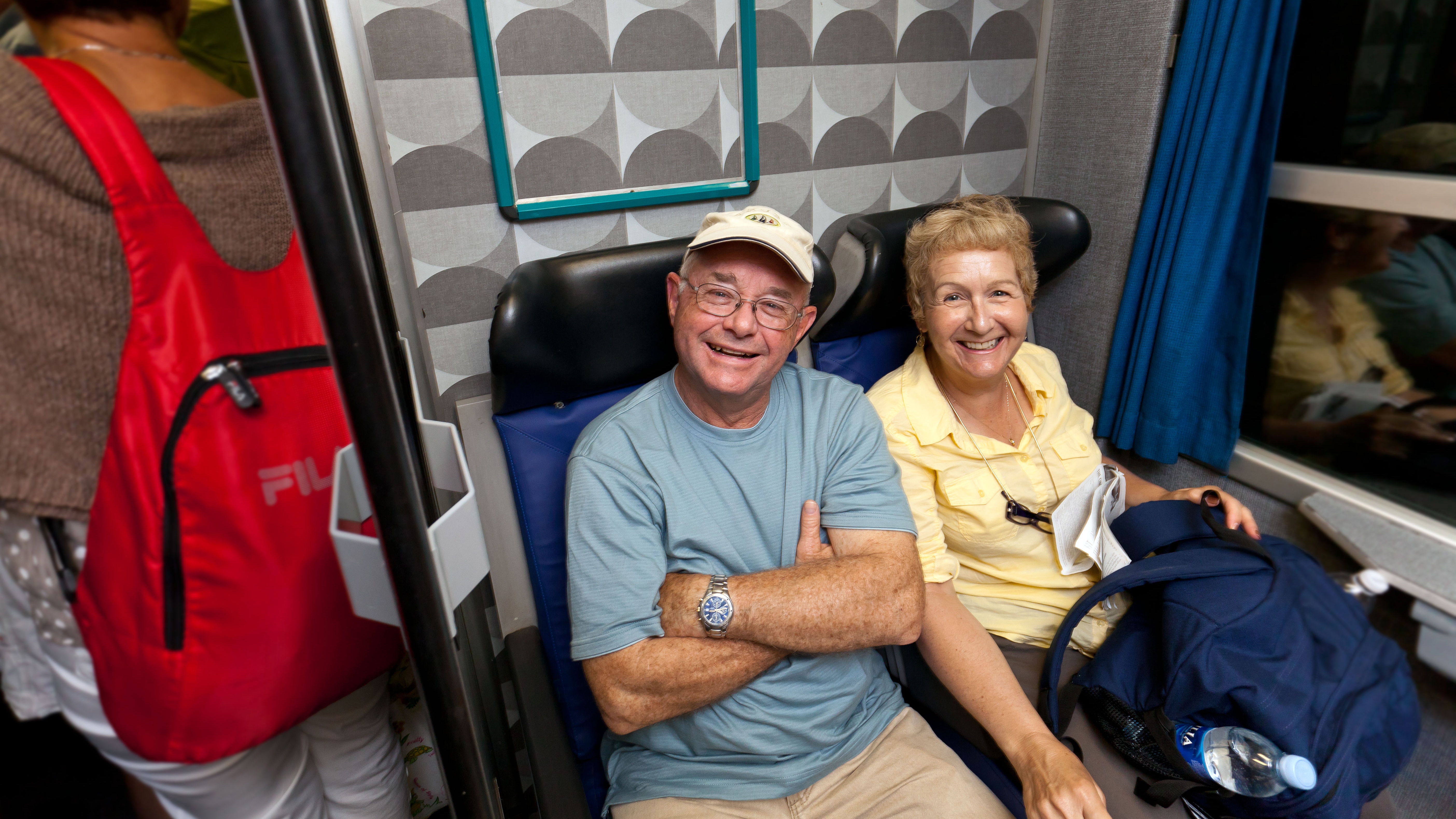
Comfortable travel is core to these train travel tips. Claim your seat calmly and stow bags neatly. Keep noise low and be mindful of shared space.
Simple steps improve everyone’s ride:
- Greet your seatmates and ask before sitting in empty seats.
- Use headphones at low volume and take calls in vestibule areas.
- Keep aisles clear and dispose of trash in designated bins.
For long rides, stand and stretch every hour. Being courteous saves tension and often leads to helpful local tips from fellow passengers.
Safety and security measures
Safety advice is essential among train travel tips. Keep valuables close and never fall asleep with backpacks on the floor. Use visible luggage tags and keep important documents in a money belt or inner pocket.
Follow these safety habits:
- Store luggage in view or use locks for compartments.
- Memorize the carriage number and nearest exits.
- Report suspicious behavior to staff and know basic emergency phrases for the region.
I once alerted staff about unattended baggage and received thanks from fellow travelers; vigilance helps everyone. Know limitations: on some urban lines, pickpocketing can rise during peak hours, so stay alert without panicking.
Saving money and choosing fares
Saving money ties directly into practical train travel tips. Compare advance fares, flexible tickets, and rail passes. Book off-peak travel when possible to get lower prices and better seat choice.
Ways to reduce costs:
- Use rail cards, student or senior discounts where applicable.
- Buy multi-ride passes for frequent routes.
- Split tickets strategically on long journeys to lower fare totals.
Be transparent about trade-offs: the cheapest tickets may lack refunds or seat reservations. Balance price with convenience for stress-free travel.
Scenic travel, photography, and slow travel tips
Train travel tips often emphasize enjoying the route as much as the destination. Sit by the window, keep a comfy sweater ready, and plan stops for scenic views. Capture landscapes with care for reflections and changing light.
Practical photography tips:
- Use a polarizing filter or clean window for clearer shots.
- Take wide and tight shots to tell a travel story.
- Respect privacy; ask before photographing people.
Slow travel on trains lets you read, plan, and connect with locals. Treat scenery time as part of your journey, not just transit.

Dealing with delays, cancellations, and disruptions
Knowing how to handle problems is a core part of train travel tips. Keep calm, check official channels, and know your rights for refunds or rebooking. Download the rail operator app and enable notifications.
Steps to follow during disruptions:
- Confirm the issue with station staff or official sources.
- Ask about alternative routes, vouchers, or accommodation if needed.
- Keep receipts for expenses if you plan to claim compensation later.
I once missed a connection during a storm and used these steps to secure hotel help and a new ticket. Being prepared reduces stress in real life.

Related concepts and limitations
Train travel tips overlap with bus, ferry, and air travel best practices. Trains offer space, scenery, and fewer security delays, but they may have limited schedules and slower speeds on some routes. Consider connectivity, luggage limits, and local transit access at your destination.
Understand limits:
- Remote routes may have infrequent services.
- Night trains may reduce visibility for scenery and require extra rest planning.
- Accessibility varies; confirm facilities in advance if you need assistance.
These constraints shape realistic expectations and help you pick the right trip for your needs.
Frequently Asked Questions of train travel tips
How early should I book train tickets?
Book as early as possible for the best fares, especially for long-distance or high-speed routes. Last-minute fares can be higher and seats less available.
What should I pack for overnight train travel?
Pack a small pillow, earplugs, eye mask, toiletries, and a change of clothes in your carry-on. Keep essential documents and medications within reach.
Are trains safe for solo travelers?
Trains are generally safe for solo travelers, especially during the day and on staffed services. Stay alert, keep valuables secure, and sit near the conductor if concerned.
Can I bring food and drinks on board?
Most trains allow food and drinks; bring non-perishable snacks and a refillable water bottle. Be mindful of strong smells and dispose of trash responsibly.
How do I handle lost luggage on a train?
Report lost luggage to station staff and file a claim with the rail operator promptly. Provide descriptions and receipts when possible to speed recovery.
Do I need a printed ticket for train travel?
Many operators accept digital tickets, but some require printed versions for certain fare types or international travel. Check the carrier’s rules before departure.
Conclusion
These train travel tips give you a clear roadmap for planning, packing, staying safe, saving money, and enjoying your journey. Apply a few simple habits book early, pack light, keep essentials near, and stay courteous to make every rail trip smoother and more rewarding. Try one tip on your next trip, share your experience, and subscribe or comment to keep the conversation going.


