

Travel Guides Ireland [Ultimate 2026 Itinerary Tips]
Ireland blends wild coasts, storybook villages, ancient sites, and heartfelt welcome.
If you are seeking travel guides ireland that go beyond top-10 lists, you are in the right place. I have planned, led, and fine-tuned trips across the island in every season. This guide distills years of road-tested knowledge into clear steps, honest tips, and smart tools. Read on for travel guides ireland advice that helps you plan with confidence and explore with ease.

Planning Your Trip to Ireland
Getting the basics right makes the rest simple. Most visitors fly into Dublin, Shannon, or Belfast. Book at least three months ahead for peak season from June to August. Spring and fall offer mild weather, lighter crowds, and fair rates.
You do not need a car to enjoy cities. You may want one for rural routes and small towns. Check that your passport is valid for at least six months. Citizens from many countries can enter Ireland without a visa for short stays, but rules vary. Always confirm entry rules on official sites before you book.
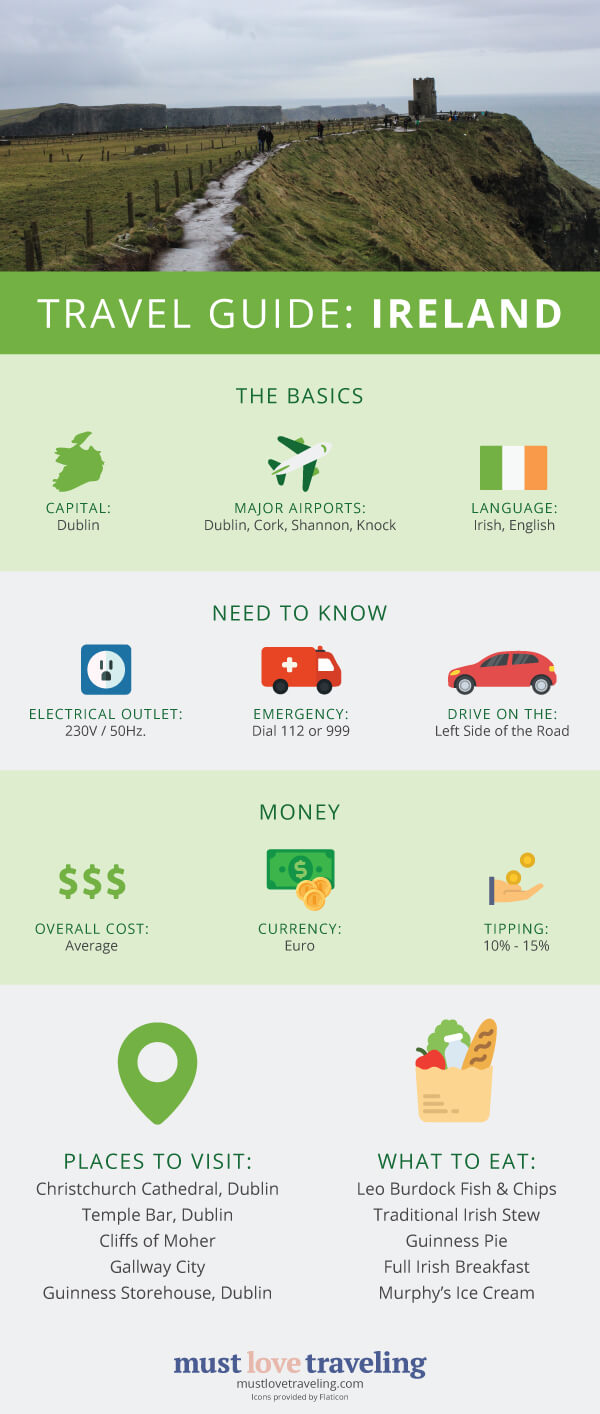
Ireland uses the euro. Northern Ireland uses the British pound. Card payments are common, and contactless works almost everywhere. The plug type is G, and voltage is 230V. Bring a good rain jacket, not an umbrella alone. In travel guides ireland, timing, packing, and power adapters show up again and again for a reason.
Essentials to pack:
- Waterproof jacket and sturdy shoes
- Light layers for fast weather shifts
- Universal adapter for Type G sockets
- Reusable water bottle and daypack

Top Destinations and Regions
Most travel guides ireland highlight famous spots, but balance icons with quiet corners. Here is how to shape a route that fits your style.
Dublin
A compact capital with big charm. Tour the Book of Kells early. Stroll Georgian streets and the Grand Canal. For a deeper feel, join a walking tour in the Liberties or a food crawl in Temple Bar’s back lanes. I like ending the day with trad music on Camden Street.
Wild Atlantic Way
This 1,500-mile coastal route is a feast of cliffs, beaches, and villages. The Cliffs of Moher shine, but go later in the day for softer light. Drive the Sky Road in Connemara and pause often. On a clear evening, I have watched the sun sink behind Inishbofin. It never gets old.
Galway and the Aran Islands
Galway hums with live music and street art. Take a ferry to Inis Mór for stone forts and quiet lanes. Rent a bike and ride to Dún Aonghasa. Pack a windbreaker. The breeze is no joke.
Cork and West Cork
Cork City is playful and proud. Visit the English Market for local cheese and charcuterie. West Cork blooms with craft food, islands, and coves. I have had some of my best seafood chowder in tiny Glandore.
Kerry: Dingle and Killarney
Dingle mixes ocean views with blue-front shops and lively pubs. Drive Slea Head for film-set scenes. Killarney’s national park offers lakes, deer, and easy bike paths. Start early to beat the tour buses.
Belfast and the Causeway Coast
Belfast’s museums bring history to life with care. Book a Black Taxi tour for context you will remember. Drive to Giant’s Causeway and walk the cliff path. On a calm day, the breeze smells like salt and heather.
Ireland’s Ancient East
Trace the story arc from passage tombs to medieval towns. Newgrange, Kilkenny, and Waterford reward slow travel. The details a stone carving, a wool shop, a cafe scone add up to a full day.
Hidden Heartlands and Midlands
Think lakes, greenways, and riverside towns. Cycle a canal path near Athlone. Take a boat out on Lough Ree. This is where you catch your breath.

Culture, History, and Etiquette
Great travel guides ireland do more than list sights. They show how to connect with place. Learn a few Irish words. Sláinte means cheers. Craic means fun or good times. Do not rush a pub visit. Order at the bar, be patient, and chat with the staff.
Respect sites and memorials. Many landmarks hold deep history, from the famine to modern times. Support live music by buying a round or tipping the band jar. I once spent a rainy night in Doolin, listening to a fiddle tune swirl through the room. It felt like the walls were singing.
Tipping guidelines:
- Restaurants with table service: 10–12% if not included
- Pubs: not required; round up or buy the next round
- Tours: a few euro per person for strong service

Getting Around Ireland
Public transport links main cities and many towns. Irish trains are clean and calm. Intercity coaches reach even more places at good prices. In cities, use local buses and trams. Dublin has Leap Card for easy tap payment.
Driving opens up the countryside. Ireland drives on the left. Roads can be narrow with hedges and blind bends. Rent the right size car for your comfort. Automatics cost more and can sell out, so book early. Check insurance carefully, including CDW and tire and glass cover. Watch for the M50 toll near Dublin. Some tolls are cashless and billed online.
Other options:
- Taxis and rideshares in cities and large towns
- Guided day tours to reach remote highlights
- Cycling greenways for relaxed days out
Source: mustlovetraveling.com
Where to Stay
Choice is broad and warm. You will find city hotels, boutique inns, cozy B&Bs, country manors, castles, hostels, and self-catering cottages. Book early for summer, bank holidays, and festivals. In small towns, call or email for best results.
I favor family-run B&Bs for local insight and fresh breakfasts. A farmhouse near Dingle once served me soda bread still warm from the oven. Ask your host for tips on walks and music sessions. That advice can make your night.
Booking tips:
- Stay at least two nights in hub towns
- Mix city hotels with rural guesthouses
- Check parking rules if you have a car

What to Eat and Drink
Modern Irish food is fresh, simple, and seasonal. Try seafood chowder, oysters, mussels, hake, and salmon. Lamb and beef are rich and tender. Soda bread and butter can steal the show. Vegetarians will find soups, salads, farmhouse cheese, and mushroom mains in many places.
In pubs, order at the bar unless told otherwise. Ask about the day’s special. For drinks, taste local stout, red ale, or cider. Explore a whiskey flight with a knowledgeable bartender. Travel guides ireland often note this: book dinner in small towns, as kitchens close early.
Favorites to seek out:
- Full Irish breakfast or a lighter “mini” version
- Fish and chips by the harbor
- Apple tart with cream
- Coffee and a caramel square on a rainy afternoon
Seasonal Guide and Weather
Weather is changeable and kind most days. Spring brings flowers and lambs in fields. Summer has long light and festivals. Fall glows gold along hedgerows. Winter is quiet, with cozy fires and low rates. Rain can greet you any day. Bring a shell and mid-layer, and you will be fine.
Long days in June help you cover more ground. Dark winter evenings pair well with music and museums. Watch for events like St. Patrick’s Day, Galway Arts Festival, and trad sessions all year. Midges can show up near lakes in summer. A light repellent helps.
I once hiked in sunshine, drizzle, and fog in a single hour in Connemara. Layers saved the day. Most travel guides ireland repeat this, and they are right.

Sample Itineraries
Use these sample routes as a base. Adjust pace to your style. Leave room for surprises.
3 days: Dublin and Wicklow
- Day 1: Trinity College, National Gallery, Georgian walk, music at night
- Day 2: Kilmainham Gaol, Guinness Storehouse or whiskey tour, Docklands
- Day 3: Glendalough and Wicklow Mountains, return via Powerscourt
7 days: Highlights loop by car
- Day 1–2: Dublin
- Day 3: Kilkenny and Rock of Cashel
- Day 4: Killarney and Ring of Kerry
- Day 5: Dingle Peninsula
- Day 6: Cliffs of Moher and Burren
- Day 7: Galway, return to Dublin
10–14 days: Deep dive
- Add Connemara, Achill, or Aran Islands
- Include West Cork and Beara
- Extend to Belfast and the Causeway Coast
Travel guides ireland often skip buffer days. Keep one as a gift to yourself.
Budgeting and Money-Saving Tips
Costs vary by season and choice. A backpacker may spend 70–120 USD per day. A mid-range traveler may spend 180–300 USD per day. A boutique or luxury trip goes higher. City stays, car rentals, and dinners are key drivers.
Ways to save:
- Travel in shoulder season for better rates
- Use city attraction passes if they match your plan
- Eat big at lunch, then a light dinner or pub special
- Ride intercity coaches for low fares
- Book refundable stays, then watch for price drops
Tap to pay is common. ATMs exist in towns and supermarkets. Non-EU visitors can seek tax-free shopping refunds on qualifying purchases through retail schemes. Keep receipts and follow the steps at the airport. Good travel guides ireland flag this early so you can plan.
Safety, Health, and Practicalities
Ireland is safe and calm. Use normal sense in crowds and at ATMs. For emergencies, dial 112 or 999. Pharmacies are called chemists and are very helpful. Tap water is safe in most places. Carry travel insurance for peace of mind.
Coasts and cliffs can be windy and slick. Keep to paths, mind signage, and do not climb barriers. I once watched weather roll in fast on Slieve League. We turned back early and stayed dry and safe. Trains and buses run on time more often than not. Allow margins for ferries and rural links.
Practical reminders:
- Prebook popular sights and distillery tours
- Screenshot tickets and maps for low-signal areas
- Share your driving route with a friend or host
Sustainable and Responsible Travel
Leave places as you found them, or better. Follow local Leave No Trace guidance. Stick to paths, close gates, and respect farmland. Support small makers, guides, and cafes. Use refill stations for your bottle. Choose train or coach when it works.
Spread visits beyond hotspots and beyond peak hours. Learn a few Irish words and the story behind each site. That respect deepens every stop. Many top travel guides ireland now weave in sustainability as a core theme. Make it yours too.
Travel Guides Ireland: Best Books, Apps, and Local Tours
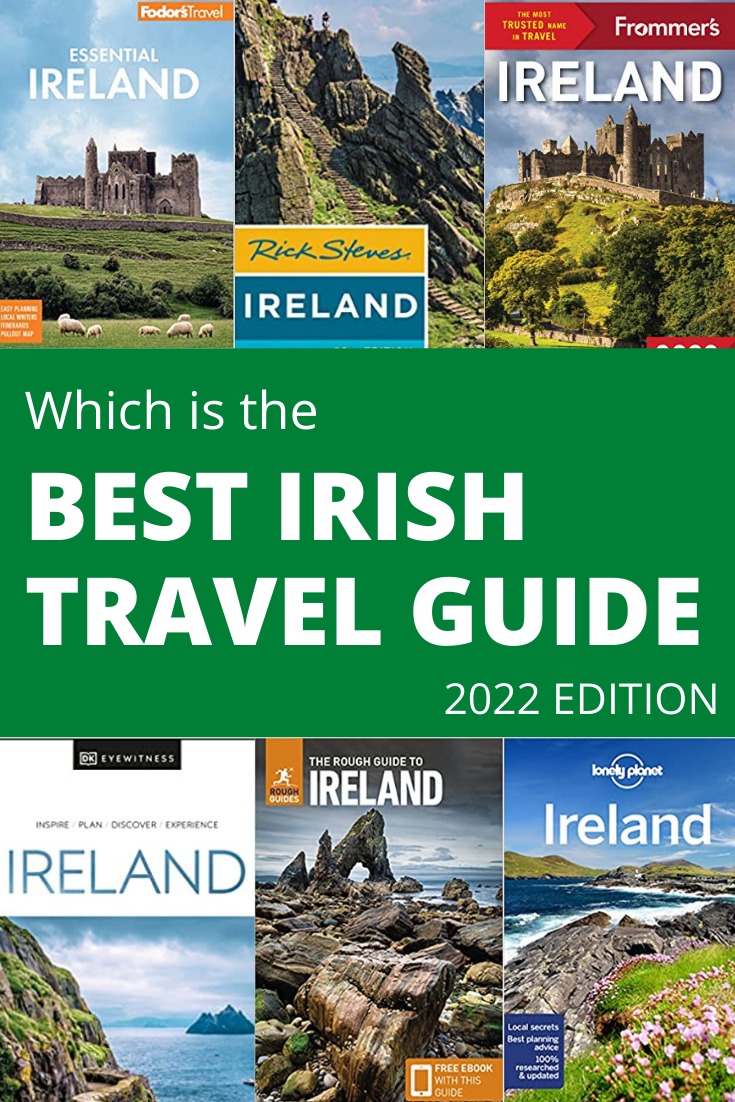
The right tools turn a good trip into a great one. For books, pick one in-depth guide for planning and a slim pocket guide for daily use. Pair that with a driving atlas or offline maps. I keep city maps and rural layers saved on my phone before I land.
Useful apps:
- Official transit apps for timetables and real-time updates
- Offline maps for hiking routes and island roads
- Museum and audio guide apps for context on the go
- Language apps for Irish phrases and clear pronunciation
Local tours add skill and stories. Join a walking tour in Dublin or Galway. Book a Black Taxi history tour in Belfast. Take a food tour in Cork. Try a boat trip in Dingle or a kayak at night in West Cork. My trusted picks blend small groups, local voices, and flexible timing. Strong travel guides ireland list options like these, then nudge you to book early.
Frequently Asked Questions of travel guides ireland
Do I need a car to see Ireland well?
No. You can see cities and many towns by train and coach. A car is helpful for rural loops and remote peninsulas.
What is the best time to visit for good weather and fewer crowds?
Late April to May and September offer a sweet spot. You get mild days, lighter crowds, and better prices.
Is driving in Ireland hard for first-timers?
It takes focus, but you can do it. Rent a small car, drive slowly, and avoid night drives on rural lanes.
How many days do I need for a first trip?
Five to seven days works for a taste of Dublin plus one region. Ten days lets you add a second coast or Northern Ireland.
Can I use euros everywhere on the island?
No. The Republic of Ireland uses euros. Northern Ireland uses British pounds, though cards are widely accepted in both.
Conclusion
Ireland rewards slow travel, kind choices, and open eyes. Plan around your energy, not only your wish list. Mix icons with quiet moments, and give weather the respect it deserves. With the right travel guides ireland and a few local tips, your days will flow with ease.
Start now: pick your dates, book a first night, and save your maps for offline use. Then come back for more deep dives, sample routes, and practical tools. Subscribe for updates or share your questions in the comments so I can help you shape a trip you will love.


