

Zermatt Travel Guide [Ultimate 2026 Itinerary & Tips]
A zermatt travel guide helps you plan Matterhorn views, trails, and world-class skiing.
I have guided travelers across the Alps for years, and Zermatt never fails. This zermatt travel guide gives you clear steps, pro tips, and local insight. You will learn where to go, when to visit, and how to save money. Read on to plan a smooth, smart, and stunning escape to the Matterhorn.

Why Zermatt belongs on your list
Zermatt is a rare mix of wild peaks and calm streets. The village is car-free and easy to walk. The Matterhorn rises like a stone pyramid above brown roofs and bright flowers. Trains and lifts link you to views at almost 3,900 meters.
This zermatt travel guide explains more than sights. It shows how to plan each day with the weather and your pace. It blends research with real trail time. I share what works and what to avoid, so your trip feels simple and rich.
Zermatt sits high, so seasons last long. Snow lingers into spring. Sun burns strong at altitude. The rail and cable car web is vast. With the right plan, you see more and spend less. That is the heart of this zermatt travel guide.

Best time to visit
Winter (December to April) is for skiers and riders. Snow is deep, and lifts link to Italy for long runs. Days are short, but the slopes are wide and fast.
Summer (June to September) is best for hikes and blue lakes. Trails open as the snow melts. Wildflowers peak in July. Larch trees turn gold in late September and October.
Shoulder months can be quiet and good for deals. May brings melt and some lift work. November is often a maintenance month. Many lifts pause. Always check lift status before you book. This zermatt travel guide lists backups for each season.
Pro tip from my notes: book a sunrise run to Gornergrat on a clear morning. Light hits the Matterhorn first. It feels like a private show.

Getting there and getting around
Fly to Zurich, Geneva, or Milan. Take a train to Visp or Brig. Change to the Matterhorn Gotthard Bahn for the last scenic leg to Zermatt. Trains are fast, clean, and on time.
Driving stops at Täsch. Park there and ride the 12-minute shuttle train. Inside Zermatt, you move on foot, by e-bus, or by e-taxi. Lifts and funiculars take you up the mountain. Sunnegga funicular, Gornergrat Bahn, and the Matterhorn Glacier Paradise cable cars are the main lines.
A Swiss Travel Pass covers the train to Zermatt. It gives discounts on many mountain lifts. Luggage shipping is easy if you want to travel light. This zermatt travel guide urges you to pre-book peak-hour trains in high season. It saves stress.
Top things to do
Zermatt is more than the Matterhorn, yet that peak pulls you close. Use this zermatt travel guide to shape your days.
Year-round highlights
- Gornergrat Railway. Ride to 3,089 meters for epic views of glaciers and the Matterhorn.
- Matterhorn Glacier Paradise. Reach 3,883 meters, see the Glacier Palace, and walk a viewing deck.
- Old Village. Stroll past ancient barns and narrow lanes near the church.
Summer and fall
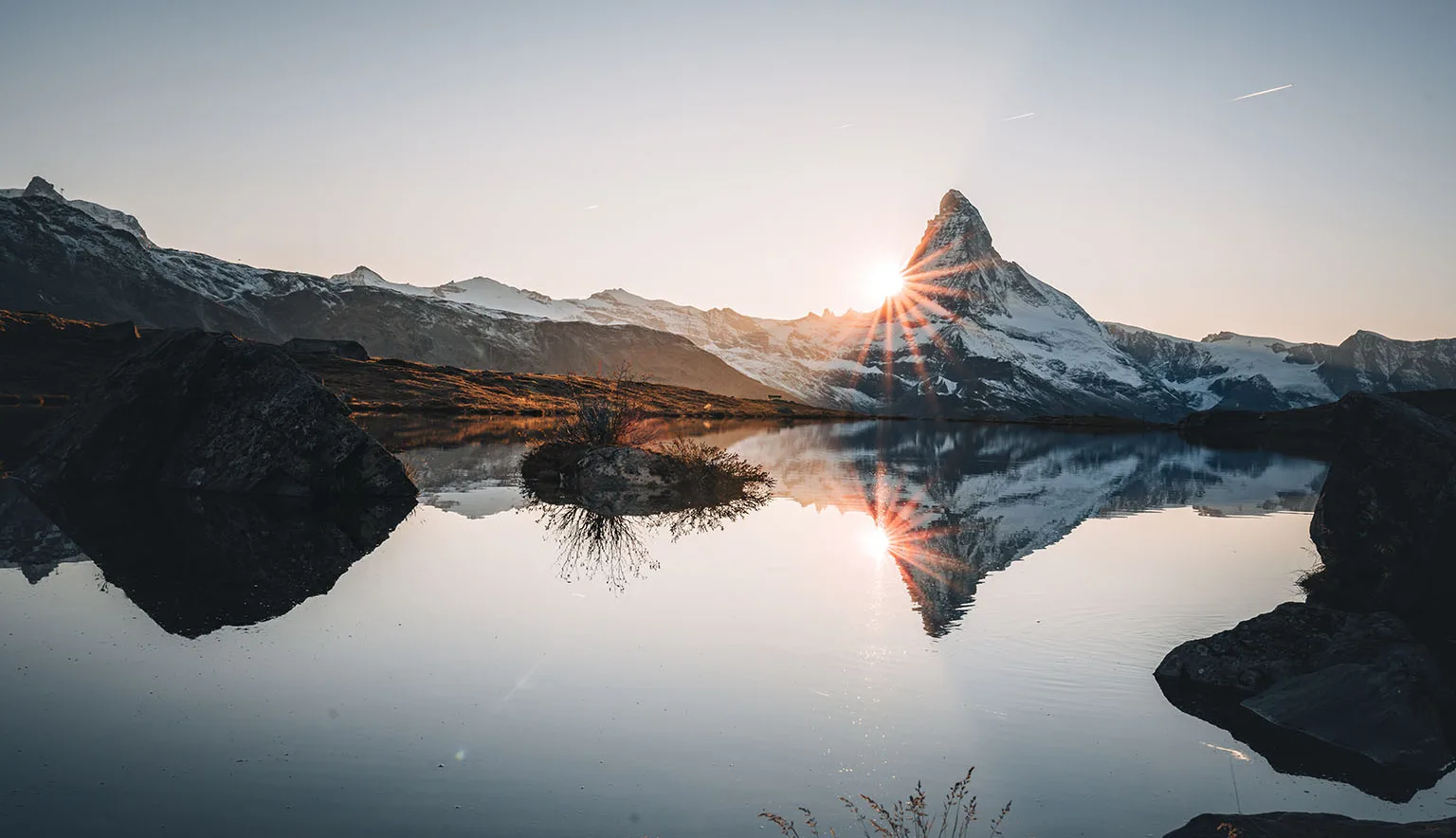
- Five Lakes Walk. See the Matterhorn reflect in Stellisee and Grindjisee on a clear day.
- Hike to Hörnlihütte. Get near the Matterhorn’s normal route base. It is steep but safe in dry weather.
- Bike the Sunnegga to Findeln trails. Eat lunch at a sunny alpine hamlet.
Winter and spring
- Ski Zermatt–Cervinia–Valtournenche. Explore over 300 kilometers of pistes and long, linked runs.
- Try Wolli Park. A gentle zone for kids and first-timers.
- Winter hiking and snowshoe trails. Marked paths let non-skiers enjoy deep snow scenes.
Photography tip from the trail: reach Riffelsee early for a calm mirror. Wind often rises by mid-morning.
Where to stay
Zermatt has many beds, from five-star classics to simple chalets. Book early in winter and July–August. South-facing rooms often get Matterhorn views. This zermatt travel guide suggests asking for that at booking.
- Luxury. Full-service spas, pools, and fine dining near Bahnhofstrasse.
- Mid-range. Cozy hotels and apartments with breakfast. Good value near the river.
- Budget. Hostels and simple studios. Book well ahead for peak dates.
- Families and groups. Apartments or chalets with kitchens save money and time.
Location matters. Stay near a lift base if you ski. If you hike more, consider Winkelmatten or Findeln access. My own rule is simple: less walking in ski boots is more joy.

What and where to eat
Zermatt blends Swiss and Alpine Italian food. It tastes rich after a big climb. This zermatt travel guide points you to filling plates and smart plans.
- Classics to try. Rösti, raclette, fondue, and älplermagronen.
- Mountain huts. Book lunch at sun decks in Findeln or on Gornergrat slopes.
- Town meals. Try local Valais wine with cheese and cured meats.
- Budget moves. Supermarket picnics, bakeries, and lunch menus beat dinner prices.
- Diet needs. Vegan and gluten-free options exist. Ask early and confirm.
Service is often included. Round up the bill to show thanks. Book dinners in high season. Late walk-ins may wait.
Sample itineraries
A zermatt travel guide works best when you see clear days. Here are simple plans you can copy or tweak.
Two days
- Day 1. Gornergrat in the morning. Old Village walk. Sunnegga for golden hour.
- Day 2. Matterhorn Glacier Paradise. Afternoon hike to Zmutt. Raclette for dinner.
Three to four days
- Add Five Lakes Walk on a calm day. Pick Hörnlihütte if trails are safe.
- Try a spa session or a wine tasting in the late afternoon.
One week
- Mix ski or hike days with rest days. Fit in a side trip to Randa for the long suspension bridge. Leave one flex day for bad weather.
Costs and money-saving tips
Zermatt is not cheap. Yet smart choices help. This zermatt travel guide keeps your spend in check.
- Lifts. Prices rise with altitude. Buy early and look for multi-day deals.
- Trains. A Swiss Travel Pass cuts costs across the trip. A Half Fare Card helps too.
- Food. Make picnics and pick lunch spots for views at lower prices.
- Water. Refill from many fountains. Bring a bottle and save.
- Season. Shoulder months can be 20–40% less for rooms.
Check VAT refund rules if you shop big. Keep receipts and ask about forms.
Practical tips, etiquette, and safety
Alpine weather flips fast. Layer up and protect your skin. This zermatt travel guide puts safety first.
- Altitude. Pace yourself on day one. Drink water and avoid heavy alcohol early.
- Sun. Use SPF 50 and lip balm. Snow reflects light.
- Trails. Yield to uphill hikers. Keep gates closed. Stay on marked paths.
- Drones. Rules are strict near lifts and rescue zones. Ask before you fly.
- Insurance. Make sure it covers mountain rescue. Keep key numbers handy: 112 for EU-wide, 144 for medical, 1414 for air rescue.
Be mindful at night. Many homes observe quiet hours after 22:00.
Sustainable and responsible travel
Zermatt is car-free, and you can go further. This zermatt travel guide promotes low-impact choices.
- Pick trains over cars. Use e-buses and walk.
- Choose hotels with clear eco steps. Reuse towels and reduce waste.
- Pack out trash. Do not feed wildlife. Keep a safe distance.
- Buy local cheese, bread, and crafts. Your money stays in the valley.
- Travel off-peak to spread impact and support year-round jobs.
Packing list and gear
Mountain weather changes in minutes. Pack light but smart. This zermatt travel guide keeps it simple.
- Year-round. Waterproof shell, warm midlayer, hat, gloves, and sunscreen.
- Footwear. Broken-in hiking boots with grip. Gaiters in early season.
- Winter. Insulated layers, goggles, neck tube, and hand warmers.
- Summer. Trekking poles, sunglasses, and a swimsuit for spa time.
- Power. Swiss Type J plug and a small power bank.
Festivals and events
Zermatt has music, sport, and folk life. Plan around an event to add flavor.
- Zermatt Unplugged in April draws big acts and small sets.
- Swiss National Day on August 1 brings flags, food, and fireworks.
- Late summer races like mountain runs test strong legs.
- Fall cow parades color the valley as herds return.
Check dates early. Rooms fill fast during events.
Frequently Asked Questions of zermatt travel guide
Is Zermatt worth it if I do not ski?
Yes. You can ride scenic trains, walk winter trails, and visit viewing decks. This zermatt travel guide includes many non-ski ideas.
Do I need a car in Zermatt?
No. The village is car-free. Trains, e-buses, and lifts make travel easy and fast.
What is the best easy hike for first-timers?
The Five Lakes Walk is a gentle classic with big views. Pick a clear morning for mirror photos.
Does the Swiss Travel Pass cover mountain lifts?
It does not fully cover most lifts but gives discounts. It covers the train to Zermatt and other public transport.
When can I see the golden larch trees?
Late September to late October is the sweet spot. Timing shifts with weather each year.
How many days do I need in Zermatt?
Three to four days let you see the top sights and a trail or two. A week gives space for weather and rest.
Can I visit Zermatt on a budget?
Yes, with care. Stay in an apartment, cook some meals, and travel in shoulder season.
Conclusion
Zermatt blends bold peaks with easy travel and calm streets. With this zermatt travel guide, you know when to go, how to move, and what to see. You also have smart ways to save and stay safe.
Pick your dates, book key lifts, and leave flex time for weather. Then go see the Matterhorn glow at dawn. If this zermatt travel guide helped, share it, subscribe for more Alps guides, or ask a question in the comments.


