

Travelling With Infant Tips [Stress-Free Guide 2026]
Pack light, plan smart, feed at takeoff, protect sleep, and stay flexible.
If you want travelling with infant tips that work in real life, you’re in the right place. I’ve flown with newborns and toddlers across time zones, tested gear, and learned from mistakes. Below, you’ll find practical, research-backed advice you can use on your next trip. These travelling with infant tips cover planning, packing, flights, feeding, sleep, safety, and what to do when things go sideways.
Start with Smart Planning
Your timeline is your best friend. Choose flight times that match your baby’s longest nap, or go early morning when crowds are lighter. Nonstop flights lower stress, even if they cost more.
Book seats with intention. A window seat limits distractions. An aisle seat makes diaper runs easy. If you can, buy a seat for your baby and use an FAA-approved car seat. It is the safest option during turbulence. Travelling with infant tips that save the day often start before you even leave home.

Documents, Tickets, and Seating
For international trips, babies need passports. For domestic flights, airlines may ask for proof of age for lap infants. If one parent travels alone, carry a consent letter to speed up checks.
Ask about bassinets on long-haul flights. They are limited and usually linked to bulkhead rows. Check that your car seat has the label stating it is approved for aircraft. Consider TSA PreCheck for a faster line. Practical travelling with infant tips include knowing rules before you pack.
Pack Like a Pro: Minimalist Baby Packing List
Think light, but think layers. Your carry-on should handle delays.
Essentials to pack:
- Diapers: one per hour in transit, plus four extra
- Wipes and disposable changing pads
- Two outfits for baby and a spare top for you
- Pacifiers, teether, small lovey, and one quiet toy
- Swaddle or light blanket
- Formula or breast milk with ice packs; bottles and a compact brush
- Snacks and pouches for older babies
- Baby meds, thermometer, saline spray, and nasal aspirator
- Hand sanitizer and zip bags for messes
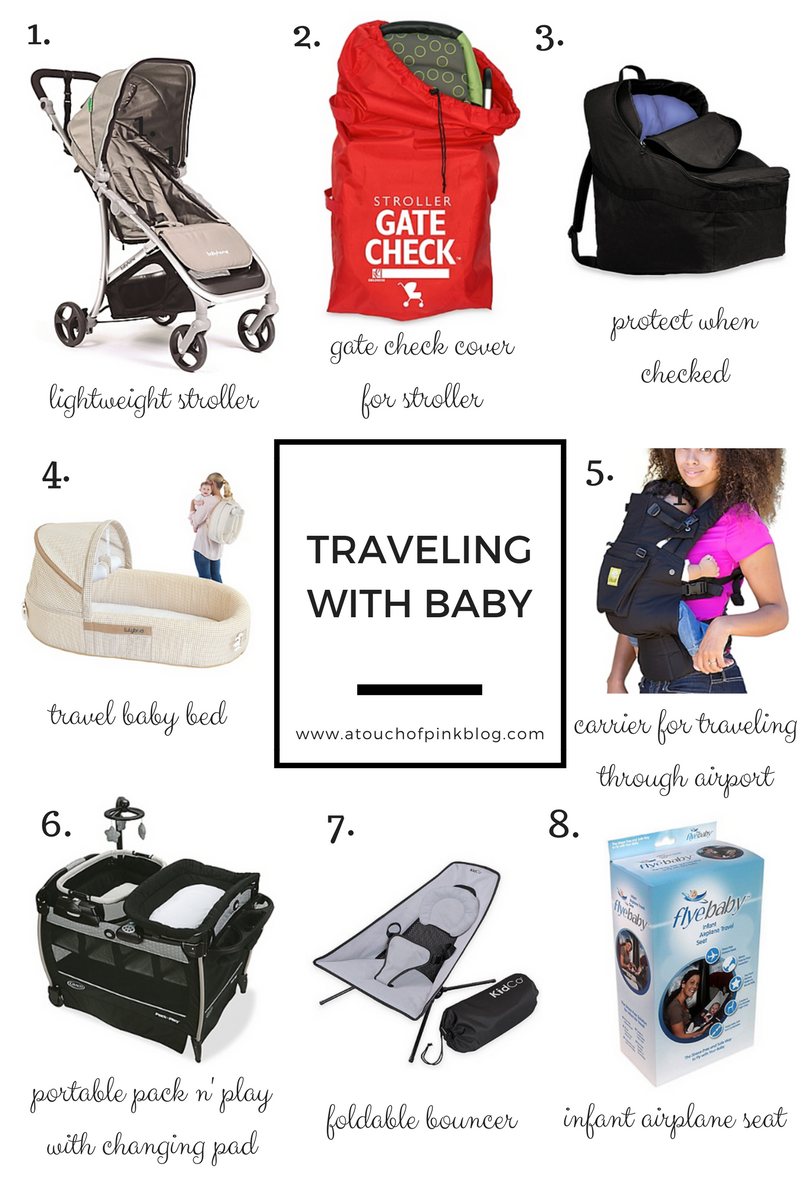
- Baby carrier and a compact travel stroller if needed
In the US, breast milk, formula, and baby food are allowed in reasonable quantities beyond 3.4 ounces. Tell security before screening. Simple, clear packing is one of the strongest travelling with infant tips for a smoother day.
Airport and Security With a Baby
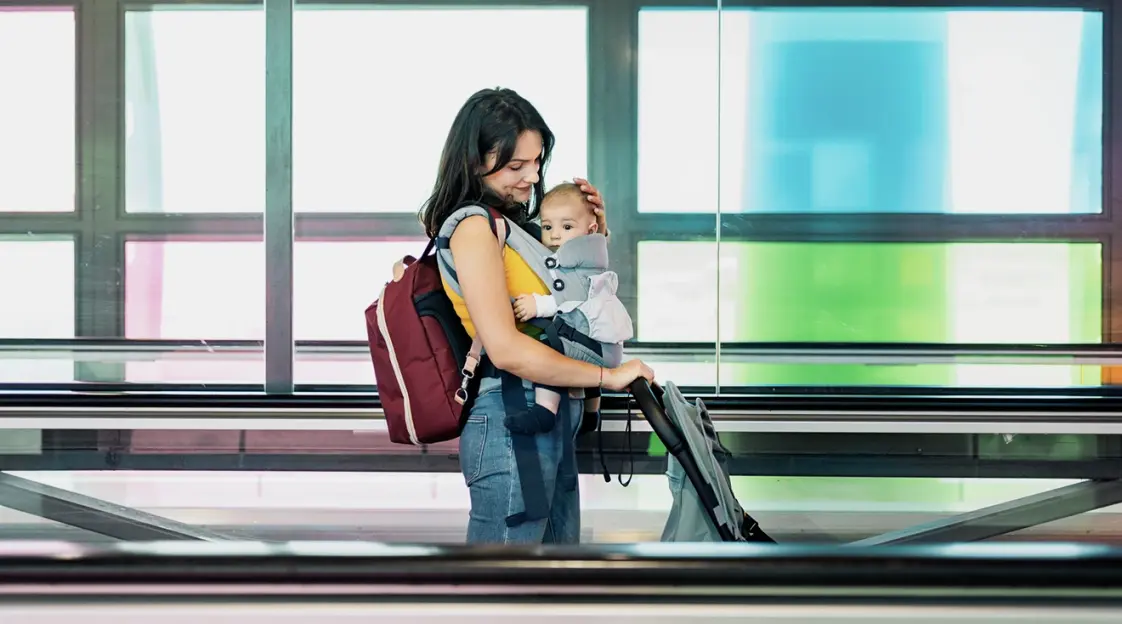
Arrive early. Rushing makes everything harder. Wear your baby through security if you can. Most carriers go through the metal detector with you.
Tell TSA agents if you have breast milk, formula, or ice packs. They may test containers. Strollers and car seats can be gate-checked for free on most airlines. Use family restrooms and nursing rooms if you need privacy. Many of the best travelling with infant tips are about reducing friction at checkpoints.
In-Flight Comfort: Feed, Sleep, Soothe
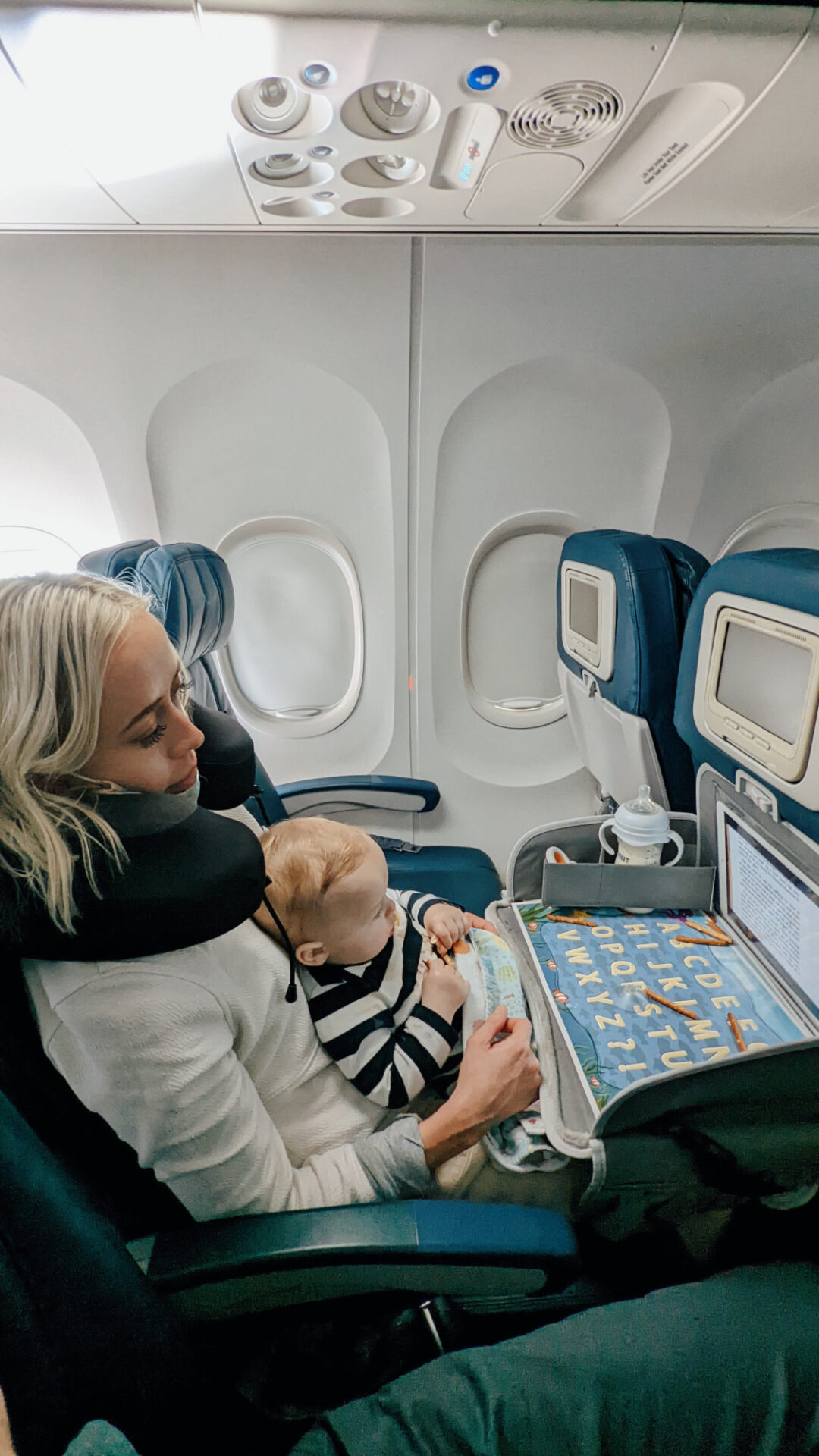
Little ears hurt with pressure changes. Offer breast, bottle, or a pacifier during takeoff and start of descent. If baby is asleep, do not wake them just to feed.
Keep a simple routine. Dim stimulation with a hat or blanket. Use white noise from a phone on airplane mode. If you scored a bassinet, bring a fitted sheet and a sleep sack. Gentle, predictable cues are powerful travelling with infant tips that protect everyone’s sanity.
Feeding on the Go: Breast, Bottle, or Solids
Breastfeeding is allowed on planes and in airports. A window seat and a scarf can add privacy. If you pump, pack spare parts, a manual backup, and labeled bags. Many family lounges have outlets.
Mix formula with sterile or bottled water. Avoid airplane tap water. Premeasure formula in small containers to make night feeds easy. For babies on solids, go with pouches, soft fruit, and no-crumb snacks. Simple feeding plans are classic travelling with infant tips that cut stress.
Health and Safety Essentials
Check with your pediatrician about vaccines, travel meds, and any risks at your destination. Pack a small first aid kit. Keep hands clean and wipe high-touch surfaces like tray tables and armrests.
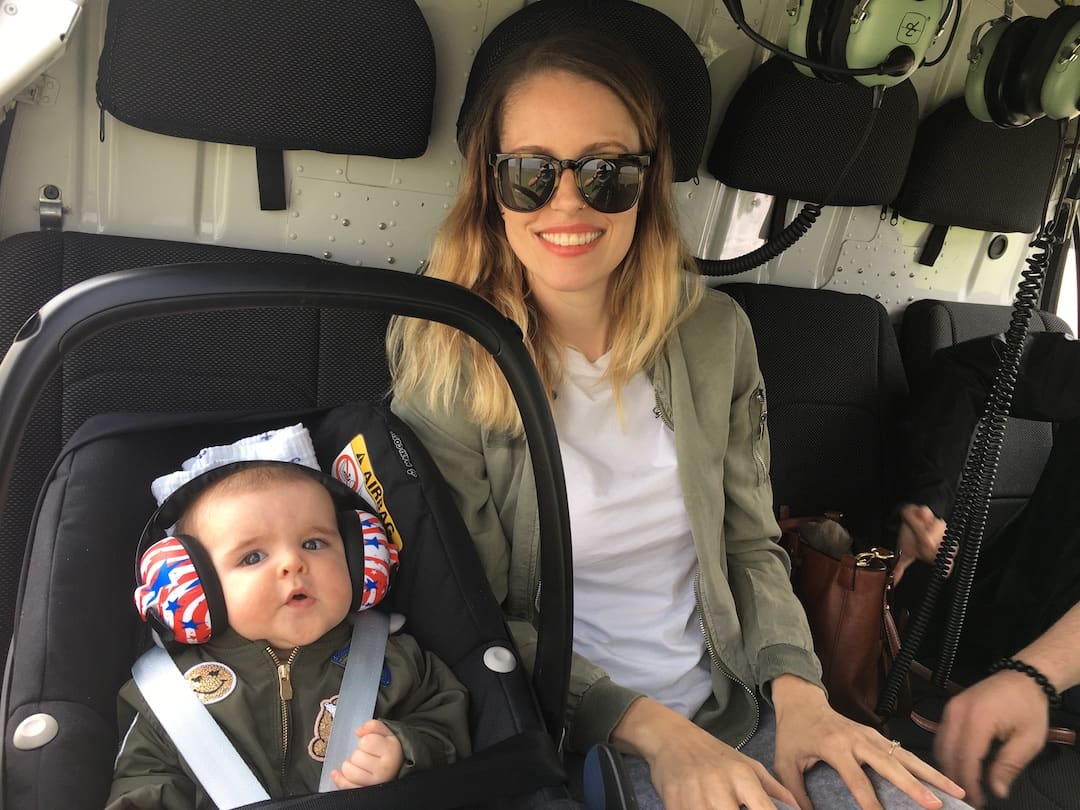
Use your car seat at your destination. Do not count on rideshares to have infant seats. Protect sleep with blackout shades and a white noise app. Healthy, rested babies are the goal of many travelling with infant tips, and for good reason.

Hotel and Ground Logistics
Call ahead for a crib, mini-fridge, and kettle. Ask for a quiet room away from elevators. Pack a roll of painter’s tape to seal light leaks in curtains.
Choose a stroller for long walks and a carrier for stairs and tight spaces. Check if your destination has baby gear rentals to lighten your load. Clear plans on the ground turn good travelling with infant tips into real comfort.
Sample Timeline: Day-Of-Travel Playbook
- 24 hours before: Check in, confirm seats, and pre-pack snacks and bottles. Freeze ice packs.
- Night before: Lay out outfits, diapers, and documents. Charge devices. Sleep early.
- Morning of: Feed baby, dress in layers, and leave with extra time.
- At the airport: Walk the terminal to get wiggles out. Board near the end if your seat is set.
- In flight: Feed for takeoff and descent. Rotate between play, walk, and nap.
- After landing: Change diaper, offer a small feed, and reset your routine at the hotel.
This simple plan is one of the most reliable travelling with infant tips for calm travel days.
Real-Life Lessons and Mistakes To Avoid
On our first red-eye with our 7-month-old, we learned that overstimulation is real. A dim seat, soft music, and a lovey helped more than any fancy toy. Keep it boring, and sleep comes sooner.
Common mistakes to avoid:
- Overpacking toys that flash or beep
- Forgetting a spare shirt for yourself
- Booking tight connections with a lap infant
- Skipping a car seat for long drives after landing
- Not feeding or offering a pacifier during descent
Learn from each trip. The most honest travelling with infant tips come from small wins and quick fixes you test yourself.
Frequently Asked Questions of travelling with infant tips
What is the best age to fly with a baby?
Many parents fly after the first few weeks, with doctor approval. The best time is often 3–9 months, when naps are longer and mobility is low.
Do I need a seat for my infant on a plane?
You can fly with a lap infant under age two on most airlines, but a separate seat with an approved car seat is safest. Check airline rules before you book.
How many diapers should I bring on a flight?
Plan one diaper per hour in transit, plus extras for delays. Pack more wipes than you think you need.
How do I protect my baby’s ears during takeoff and landing?
Offer breast, bottle, or a pacifier to help with pressure changes. Start early in descent, since ears can hurt long before landing.
Can I bring breast milk and formula through security?
Yes. You may carry reasonable quantities of breast milk, formula, and baby food. Tell agents at screening so they can test containers.
What seat should I choose when flying with a baby?
A window seat is great for privacy and naps. If you will get up often, an aisle seat can be easier.
Are bassinets worth it on long flights?
Yes, if your baby fits the size and weight rules. Reserve early, since bassinet rows are limited.
Conclusion
Travel with a baby can be calm, even sweet, when you control the controllables. Plan smart, pack light, keep feeding easy, and protect sleep. Small steps add up to a smooth day for you and your little one.
Use these travelling with infant tips as your checklist, then tailor them to your baby. Try one new idea on your next trip and build your own routine. If this helped, share it with a friend, subscribe for more family travel guides, or leave a comment with your best travelling with infant tips.


