

Yellowstone Travel Tips: Essential Guide For 2026
Plan early, start at dawn, pack layers, and give wildlife space always.
If you want yellowstone travel tips that actually work in the park, you’re in the right place. I’ve planned summer, fall, and winter visits for families and photo crews. This guide blends on-the-ground lessons with current park guidance, so you can plan with calm and move with confidence. Keep reading for practical yellowstone travel tips that help you see more and stress less.

Plan Your Yellowstone Trip Like a Pro
Yellowstone is huge. It can take a full day to drive the main loop with stops. Lock in key plans first, then build days around drive times and rest.
- Reserve lodging early. In-park rooms and popular campgrounds book months ahead.
- Choose one or two gateway towns as bases. Long daily moves drain time and energy.
- Buy a park pass. The seven-day pass for one vehicle works for most trips. The annual pass can save money if you will visit more parks.
- Save offline maps. Cell service is spotty or gone in many areas.
- Set honest goals. You cannot see it all in one trip. Pick themes, like geysers one day, wildlife the next.
Pro insight: I plan no more than three big stops per day. I fill the gaps with short walks and photo breaks. This simple rule is one of my top yellowstone travel tips.

Best Time to Visit and Crowd Strategy
Each season has trade-offs. Use timing to your gain.
- Late spring (May to early June): Cool temps, rising wildlife activity, some roads and services still phased in.
- Summer (late June to August): Long days, all roads open, peak crowds. Start before sunrise.
- Fall (September to early October): Elk rut, thinner crowds, crisp air. Some services begin to close.
- Winter (December to March): Magic landscapes, limited access by snowcoach or snowmobile only.
Beat crowds with simple moves. Arrive at dawn. Take lunch early or late. Visit marquee stops again near sunset. These yellowstone travel tips turn busy days into calm ones.
Getting Around and Entrances
There are five main entrances: North (Gardiner), Northeast (Cooke City), West (West Yellowstone), East (Cody), and South (from Grand Teton). Winter plowing is limited. The interior closes to regular cars from late fall to spring.
- Plan for slow roads. Bison and elk jams happen. Speed limits are low for good reason.
- Gas up often. Fuel is limited inside the park and spread out.
- Carry a paper map. GPS can fail or reroute you wrong.
- Watch for road projects. Check updates the night before.
I keep 100 extra miles of range in the tank. This small buffer has saved at least two trips. Add it to your yellowstone travel tips list.

Where to Stay: Lodges, Campgrounds, and Towns
In-park stays cut drive time. Gateway towns add choice and value.
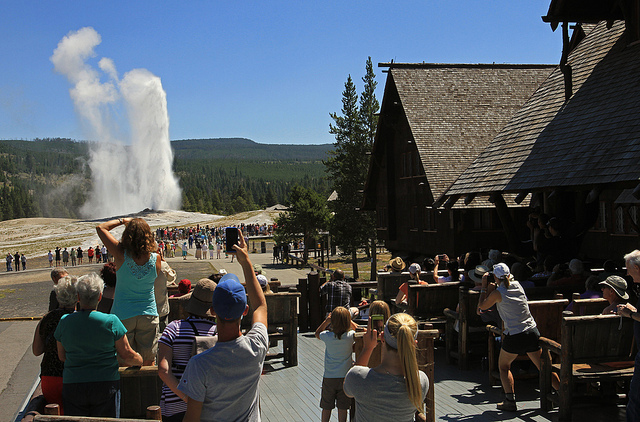
- In-park lodges: Best for dawn starts near Old Faithful, Canyon, Lake, or Mammoth.
- Campgrounds: Book early where reservations are offered. Follow food storage rules.
- Gateway towns: West Yellowstone is central. Gardiner is great for the North. Cooke City and Silver Gate sit near prime wildlife. Cody and Jackson work well for longer trips.
Mix it up. I like two nights inside the park plus a few nights in a gateway town. That blend keeps plans flexible and costs sane. This is one of my favorite yellowstone travel tips for families.

What to Pack for Yellowstone
Weather swings fast. Pack light, warm, and smart.
- Layers: Base layer, fleece, light down, and a rain shell.
- Sun gear: Hat, sunglasses, sunscreen, lip balm.
- Footwear: Waterproof hiking shoes with grip.
- Wildlife kit: Binoculars or a spotting scope.
- Safety: Bear spray, headlamp, small first-aid kit.
- Comfort: Reusable water bottles, snacks, a cooler, and a paper map.
At 6,000 to 8,000 feet, the sun hits hard and air is dry. Drink water often. This is one of the most underrated yellowstone travel tips.

Safety and Wildlife Etiquette
Wildlife is wild. Geysers and springs are hot and fragile. Treat both with care.
- Keep at least 100 yards from bears and wolves. Stay 25 yards from bison, elk, and others.
- Never feed animals. You change their behavior and risk your safety.
- Practice with bear spray before hiking. Keep it handy, not buried in a pack.
- Stay on boardwalks and marked trails in thermal areas. The crust can be thin.
- Pull fully off the road for photos. Do not block traffic.
I saw a bison spin and charge a car that pulled too close. Give them space. It is one of the most vital yellowstone travel tips you can follow.

Sample Itineraries You Can Trust
You can shape days by theme. Keep drive times short and add buffer.
- One day: Old Faithful and the Upper Geyser Basin, Midway Geyser Basin and Grand Prismatic Overlook, then Grand Canyon of the Yellowstone.
- Three days: Add Hayden Valley at dawn, Lamar Valley at dusk, Mammoth Terraces, and Norris Geyser Basin.
- Five days: Add Yellowstone Lake and West Thumb, a calm day hike like Fairy Falls or Storm Point, and a second sunset in Lamar.
Tip: Swap stops if wind or light is bad. Flex time is one of the best yellowstone travel tips for real life trips.

Photography and Viewing Tips
Good light and patient plans beat big gear.
- Dawn and dusk bring warm light and active wildlife.
- Use a tripod for low light and steam scenes.
- Ask a ranger for geyser prediction times. Old Faithful has posted ranges.
- For Grand Prismatic color, hike to the overlook from the Fairy Falls trail and aim for calm wind.
- Keep lenses dry. Steam and minerals can spot glass fast.
I often shoot geysers after rain. The steam is thick and the crowds thin. Simple yellowstone travel tips like this boost your odds of a great shot.

Food, Services, and Fuel
Services cluster in a few villages. Hours shift by season.
- Pack two meals and snacks each day. Lines can be long.
- Refill water at visitor centers when open. Carry extra in the car.
- Expect few grocery choices in-park. Do a bulk shop before you arrive.
- Watch restrooms and dining hours. They can close early in shoulder seasons.
A small cooler is gold. It saves time, money, and mood. Add a cooler to your yellowstone travel tips checklist.
Accessibility and Family Tips
Yellowstone can be very friendly to wheels and little legs.
- Many boardwalks near Old Faithful and Mammoth are wheelchair and stroller friendly.
- Ask about accessible rooms and shuttles when you book.
- The Junior Ranger program keeps kids engaged and safe.
- Plan short nature walks and picnic breaks to reset energy.
I plan a “win” stop every morning for kids. A geyser, a short trail, or a picnic. This simple rhythm is one of my best family yellowstone travel tips.
Responsible Travel and Leave No Trace
Your choices protect the park.
- Pack out all trash and food scraps.
- Do not toss coins or objects into hot springs.
- Filter or treat water from natural sources.
- Use pullouts. Keep roads clear for others and for first responders.
- Share the view. Step back after your photos.
Good stewardship is not hard. It is a set of small, steady habits. Make these habits core to your yellowstone travel tips.
Budget and Money-Saving Tips
You can trim costs and still see it all.
- Visit in shoulder seasons for lower rates and fewer crowds.
- Share costs with friends or family. Larger cabins or houses can be cheaper per person.
- Bring a stove or camp kit for simple meals.
- Choose a pass that fits your year. The annual pass pays off fast if you visit more than one park.
Planning ahead is the best of all yellowstone travel tips for your budget.
Common Mistakes to Avoid
A few errors can sink a day. Skip these traps.
- Trying to do the whole loop in one day.
- Skipping dawn starts and then fighting traffic all day.
- Getting too close to animals for a selfie.
- Not packing layers for cold mornings and hot afternoons.
- Forgetting to download maps and check road work.
I have made most of these at least once. Learn from my pain. These yellowstone travel tips exist to spare you the same.
Frequently Asked Questions of yellowstone travel tips
How many days do I need in Yellowstone?
Three full days cover key geysers, a canyon day, and at least one wildlife morning. Five days allow slower drives, more hikes, and a rest day.
Do I need a reservation to enter the park?
You do not need a timed-entry permit at this time. You do need a pass or to pay the entry fee at the gate.
What is the best month to visit Yellowstone?
June and September balance access and crowds. July and August offer long days but need early starts and patience.
Is bear spray required, and where do I get it?
Bear spray is not required but is strongly advised for hikers. Buy it in gateway towns and learn how to use it before you go.
Can I see Yellowstone and Grand Teton in one trip?
Yes, but give each park at least two days. Base near the South Entrance or split your stay between Jackson and a Yellowstone gateway town.
Conclusion
Yellowstone rewards smart plans, early starts, and slow moments. Set clear goals, stay flexible, and give wildlife and hot springs full respect. These yellowstone travel tips will help you see more, stress less, and keep the park wild.
Ready to plan your route and pack your layers? Save this guide, share it with your crew, and leave a comment with your dates and must-sees. I’m happy to help you fine-tune your plan.


