

Travelling In Japan Tips [Essential Guide 2026]
Pack light, learn train etiquette, and use IC cards for smooth travel.
I’ve spent years helping friends plan their first trips and fine-tuning my own routes from Hokkaido to Kyushu. This guide pulls together practical, tested travelling in japan tips so you can glide through stations, order food with ease, and enjoy culture with respect. If you want clear steps, real examples, and zero fluff, you’re in the right place.
Plan your trip timeline and seasons
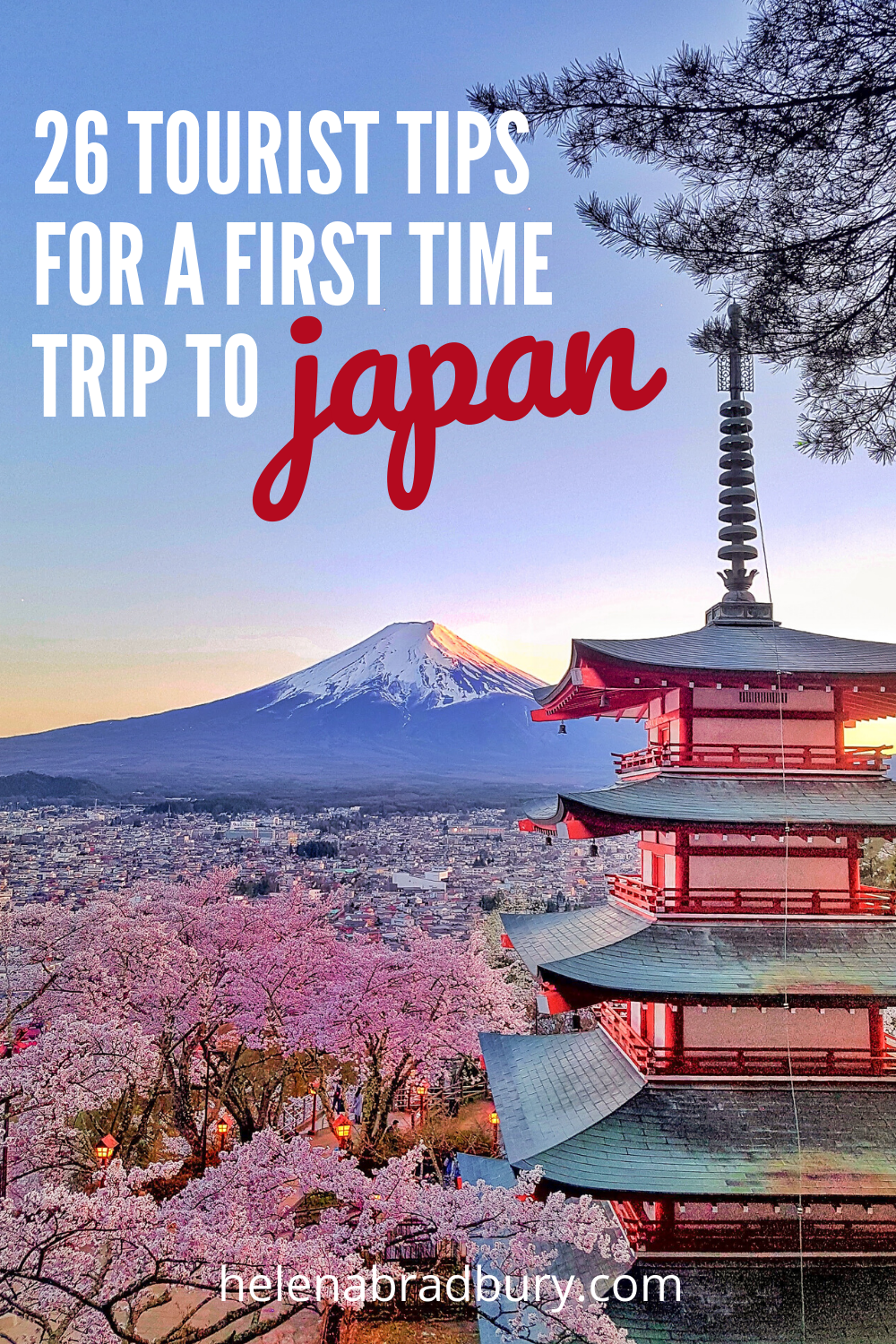
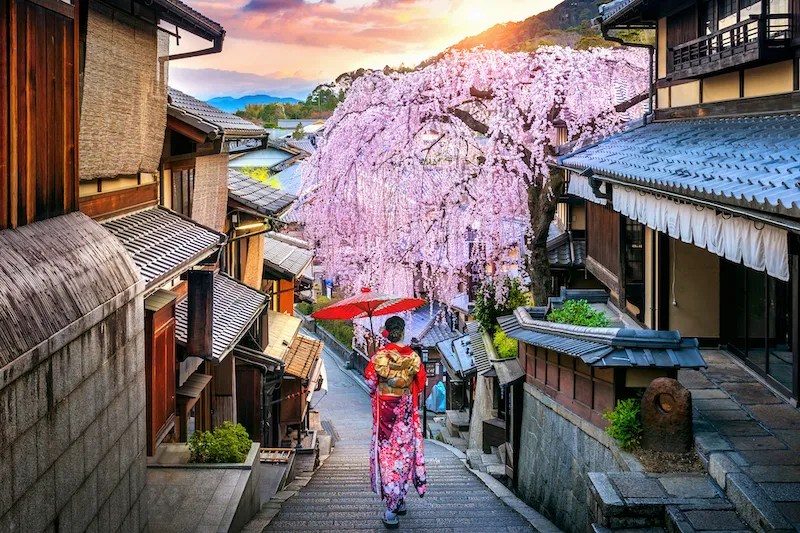
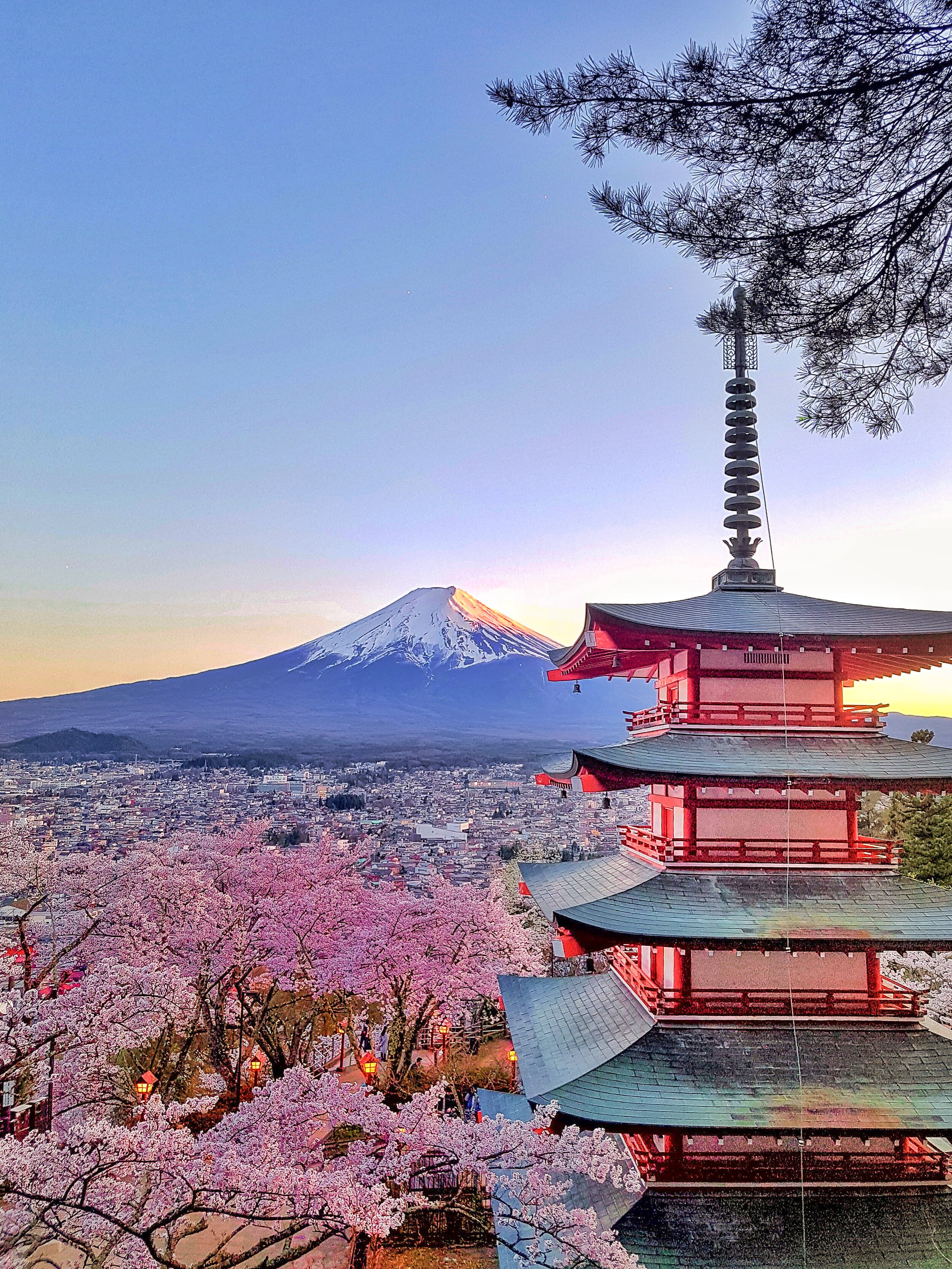
Japan is a four-season country, and timing shapes your whole plan. Cherry blossoms bloom from late March to early April in many cities. Autumn colors peak from late October to late November. Summer is hot and humid, with typhoons from August to October. Winter brings powder snow to Hokkaido and the Japanese Alps.
Avoid peak crowds when you can. Golden Week (late April to early May), Obon (mid-August), and New Year are the busiest periods. Hotels book fast and prices rise. If you must go then, book early and stick to one or two regions to cut travel stress.
Track seasonal events. Follow local forecast maps for blossoms and fall colors. Book popular sights with timed entry when offered. One of my core travelling in japan tips is simple: pick a theme per trip, like food in Osaka or temples in Kyoto, and build around it to reduce FOMO.

Visas, entry, and JR Pass basics
Many nationalities enter visa-free for short stays. Complete immigration and customs forms online with Visit Japan Web to speed things up. At larger airports, automated gates make arrival fast and smooth.
The JR Pass is not a one-size-fits-all deal after the price hike. Check your route before you buy. For Tokyo and Kansai only, regional passes often win. For long hops like Tokyo–Kyoto–Hiroshima round trips, the national pass can still save money. One of the most useful travelling in japan tips is to compare single ticket costs versus a pass using a train fare app before you commit.
Getting around: trains, IC cards, and etiquette
Trains are on time and easy to use. Shinkansen classes include Ordinary, Green, and Gran Class. Reserve seats for long rides. If your bag’s total dimensions exceed 160 cm, book an oversized baggage seat on Tokaido/Sanyo/Kyushu Shinkansen.
Use an IC card like Suica, PASMO, or ICOCA for taps on trains, subways, and buses. Add one to Apple Wallet or Google Wallet, or buy a tourist-friendly card at major stations. IC cards also work in many shops and vending machines.
Mind the manners. Queue in marked lines. Keep your voice low. Avoid calls on trains. Offer seats to those in need. In Tokyo, people stand on the left of escalators; in Osaka, on the right. One of my favorite travelling in japan tips: move with the flow, and you’ll blend in fast.
Money, budget, and cash vs card
Japan is card-friendly in big cities, but cash still matters at small shops, shrines, and rural inns. Withdraw yen at 7-Eleven and Japan Post ATMs. Keep small coins for lockers and local buses.
No tipping. Good service is the default. For tax-free shopping, show your passport and meet the store’s minimum spend before tax. Track your budget with a simple daily cap. A clear travelling in japan tips rule: mix cards for larger bills and cash for local spots to avoid payment snags.
Connectivity, maps, and must-have apps
Stay online with a pocket Wi‑Fi or eSIM. I prefer an eSIM for easy setup. Coverage is strong on main lines and in cities.
Helpful apps:
- Google Maps for walking and trains
- Japan Transit Planner or NAVITIME for route details
- Translation app with offline packs
- GO Taxi or Uber (coverage varies by city)
- Tabelog or Gurunavi for food reviews
- Safety tips app for alerts
Save key places offline. Pin stations, hotels, and embassies. One of the smartest travelling in japan tips is to download station exit maps so you pick the right gate and cut long walks.

Culture and on-the-ground etiquette
Small acts show big respect. Bow lightly in greetings. Remove shoes in homes, ryokan, and some restaurants. Use slippers provided. Keep chopsticks off shared plates unless there are serving utensils.
Onsen rules matter. Wash well before you soak. Many baths prefer no swimsuits. Tattoos are more accepted now, but not everywhere. Check tattoo-friendly listings or use private baths. Trash bins are rare, so carry a small bag. Among the most important travelling in japan tips: when unsure, copy what locals do.
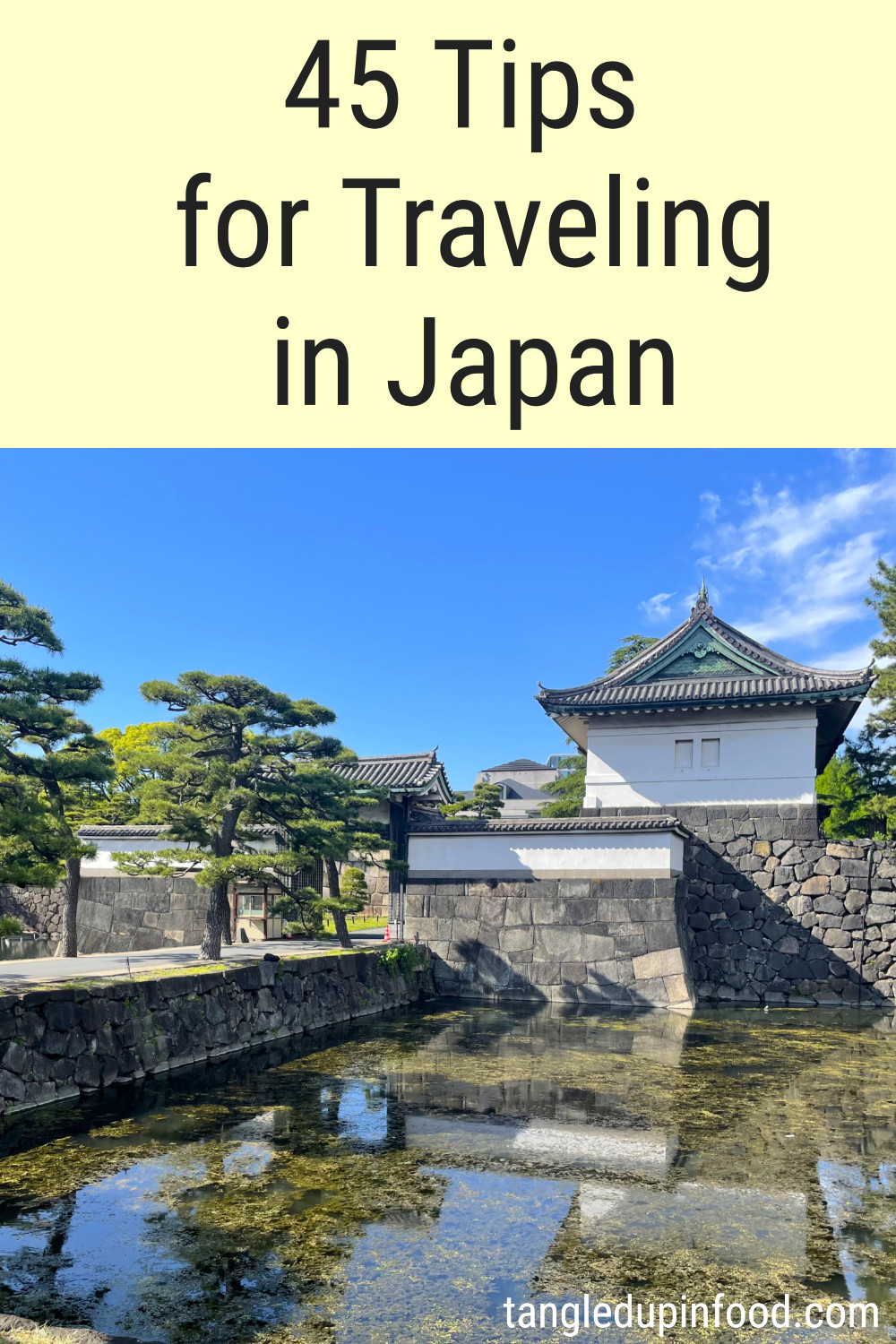
Source: tangledupinfood.com
Food and drink confidence
Menus can look complex, but eating out is easy. Many ramen shops use ticket machines. Konbini like 7‑Eleven have great, fresh options at low prices. Set menus at lunch are a bargain.
Diet needs:
- Say “allergy” when needed and show a card in Japanese
- Look for vegetarian or vegan icons; seek shojin ryori in temple areas
- Halal options exist in bigger cities; confirm with the restaurant
Tap water is safe. Try regional dishes like okonomiyaki in Hiroshima, miso katsu in Nagoya, and soup curry in Sapporo. A simple travelling in japan tips gem: eat where the line is; locals know best.
Packing, luggage, and laundry
Pack light. Stations have stairs and busy crowds. Most hotels have coin laundry or will help you find one. Bring quick-dry clothes and a compact umbrella.
Use lockers at stations for day trips. For longer moves, send bags with takkyubin (luggage forwarding). It is cheap, fast, and stress-free. My go-to travelling in japan tips checklist: a coin purse, slip-on shoes, a tiny towel, and a power adapter.

Source: tangledupinfood.com
Safety, health, and emergency know-how
Japan is very safe. Still, use common sense. Keep your wallet in front pockets in crowds. Emergency numbers are 110 for police and 119 for fire or ambulance.
Buy travel insurance. Pharmacies are easy to find, but some meds are restricted. Check rules before you fly. Earthquakes are rare during short trips, but alerts help. Know your meeting point. One of the most practical travelling in japan tips is to carry hotel details on paper in case your phone dies.
Sample 7-day first-timer itinerary
Day 1–3: Tokyo
- Shibuya, Asakusa, and Ueno Park
- Day trip to Nikko or Kamakura
- Ramen street near Tokyo Station
Day 4–5: Kyoto
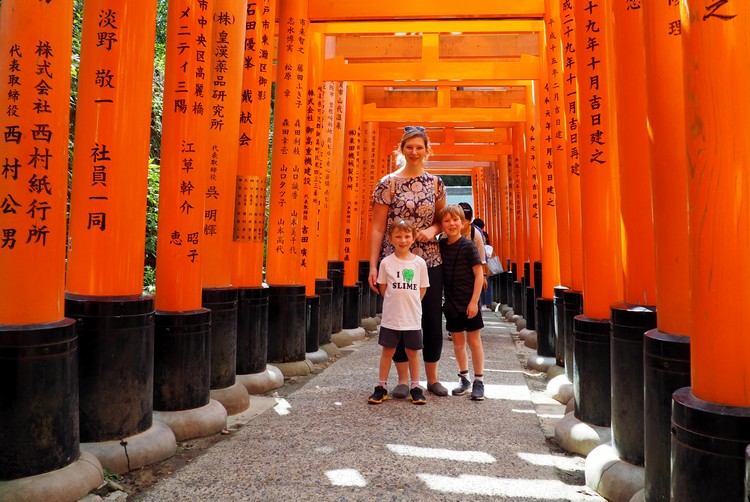
- Fushimi Inari at dawn
- Gion and Kiyomizu-dera
- Arashiyama bamboo grove and river walk
Day 6: Nara or Osaka
- Nara Park and Todaiji
- Or Osaka’s Dotonbori and Kuromon Market
Day 7: Hakone or back to Tokyo
- Onsen, lake views, and art museums
- Shinkansen back to Tokyo for your flight
This route balances city life, culture, and nature. Book key trains in advance. A final travelling in japan tips note for this plan: group sights by area to cut backtracking.
Sustainable and respectful travel
Support local. Choose family-run ryokan or small guesthouses. Eat at neighborhood spots. Buy crafts from makers, not just big malls.
Be mindful at crowded sites. Keep voices low at shrines and temples. Follow photo rules. Stay on paths. Refill a bottle at your hotel to cut plastic. The greenest travelling in japan tips approach is to slow down and spend more time in fewer places.
Frequently Asked Questions of travelling in japan tips
Do I need the JR Pass for a short trip?
Not always. If you focus on one region, buy single tickets or a regional pass instead.
Can I rely only on cards?
Mostly in big cities, yes. But carry cash for small shops, rural areas, and some attractions.
Is English common on signs and trains?
Yes in major cities and stations. Staff may speak limited English, but signs and apps fill the gap.
What should I do with trash if bins are scarce?
Carry a small bag and sort later at your hotel. You will find bins at stations and convenience stores.
Are tattoos allowed in public baths?
Some baths allow them, many still do not. Check tattoo-friendly lists or book a private onsen.
What’s the best way to get mobile data?
Use an eSIM if your phone supports it. Pocket Wi‑Fi is great for groups or heavy data use.
Conclusion
Japan rewards curious, kind travelers. Plan by season, master trains, and learn a few simple manners. Eat well, slow down, and let each area shine.
Start with one region and a short list of must-dos. Use these travelling in japan tips to guide each step and enjoy a smooth, rich trip. If this helped, subscribe for more city guides and sample routes, or drop your questions in the comments.


