

Travel Tips For Dogs [Vet-Approved Guide 2026]
Plan ahead, train calmly, pack smart, and prioritize your dog’s health and safety.
You want travel to feel easy for your dog and stress free for you. I have spent years helping families and their pets move by car and air. In this guide, I share tested travel tips for dogs that work in real life. You will get clear steps, gear checklists, and calm routines that keep tails wagging on every mile.
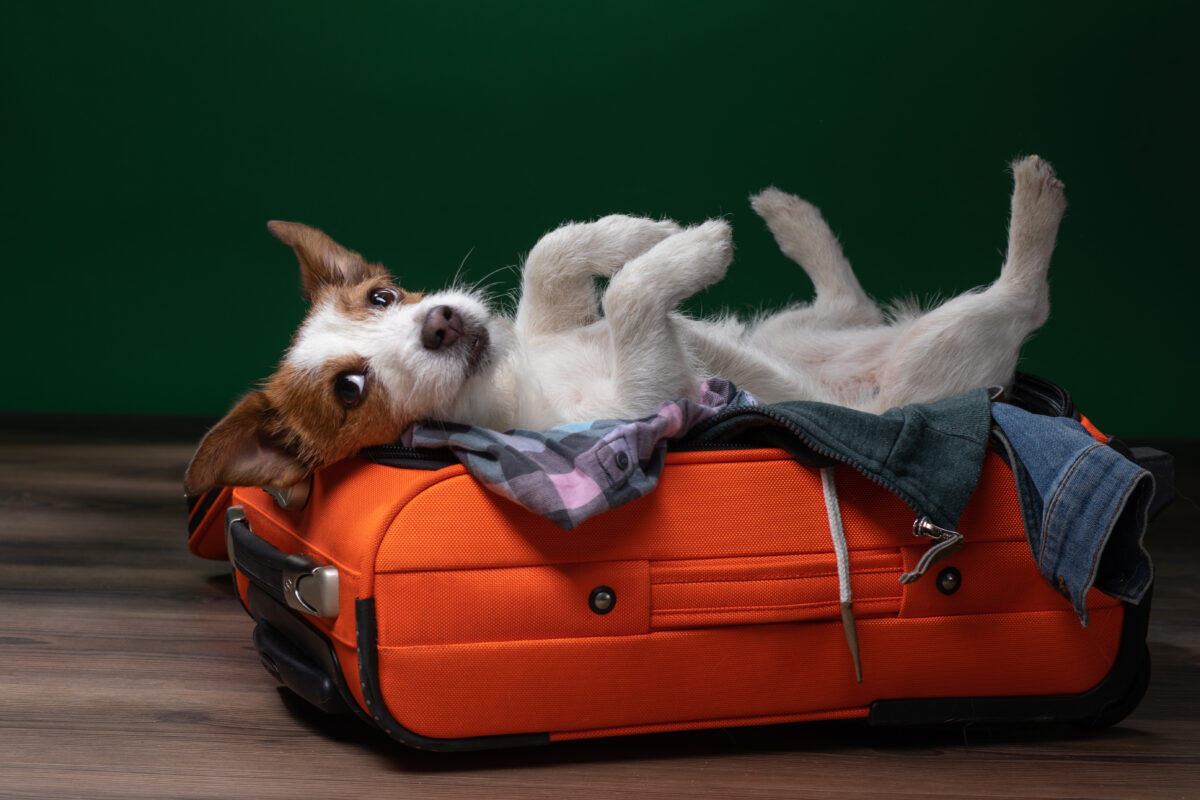
Plan Your Trip Around Your Dog
Good travel starts with your dog’s needs, not your schedule. Travel tips for dogs work best when you map your route around rest, shade, and food breaks. Pick dog friendly stops, cooler hours, and places with safe grass or quiet corners. If your dog is new to travel, start with short runs and build up.
Think about your dog’s age and size. Puppies and seniors need more sleep and more breaks. Flat faced breeds can overheat fast. Long coated dogs struggle in heat and need shade and water ready.
Check rules before you book. Confirm pet policies for airlines, trains, ferries, hotels, and parks. Ask about fees, size limits, and where dogs can go. A three minute call now can save you a major headache later.

Health, Vet Prep, and Documentation
Your vet visit is your trip’s green light. Strong travel tips for dogs always include a health check. Update vaccines, review parasite control, and scan the microchip. Keep a printed and digital copy of records and a recent photo.
Ask your vet about motion sickness and stress plans. Some dogs do well with anti nausea meds. Many vets advise you avoid sedatives for flights, since they can affect breathing. Test any new med at home first.
Know the papers you need. Airlines often ask for a health certificate from the last 10 days. For border checks, you may need a rabies certificate and more. Rules change, so read the latest airline and government pages before you go.
Packing List and Gear That Works
Smart packing is the backbone of travel tips for dogs. Keep gear light, safe, and easy to clean. Test every item at home so nothing is new on the road.
Pack these essentials:
- Secure crate or a crash tested harness for the car
- Collar with ID tag, microchip number, and a spare leash
- Food for the full trip, plus two extra days, in a sealed bag
- Water, a no spill bowl, and a foldable travel bowl
- Meds, copies of vet records, and a pet first aid kit
- Waste bags, pet safe wipes, and a small towel
- Bed or blanket that smells like home, and a chew or toy
- Sun shade for the car, cooling mat, or light coat for cold
- LED collar or reflective vest for night walks
I also pack a seat cover, a lint brush, and a clip on fan. These small things make a big difference in heat, hair, and cleanup.
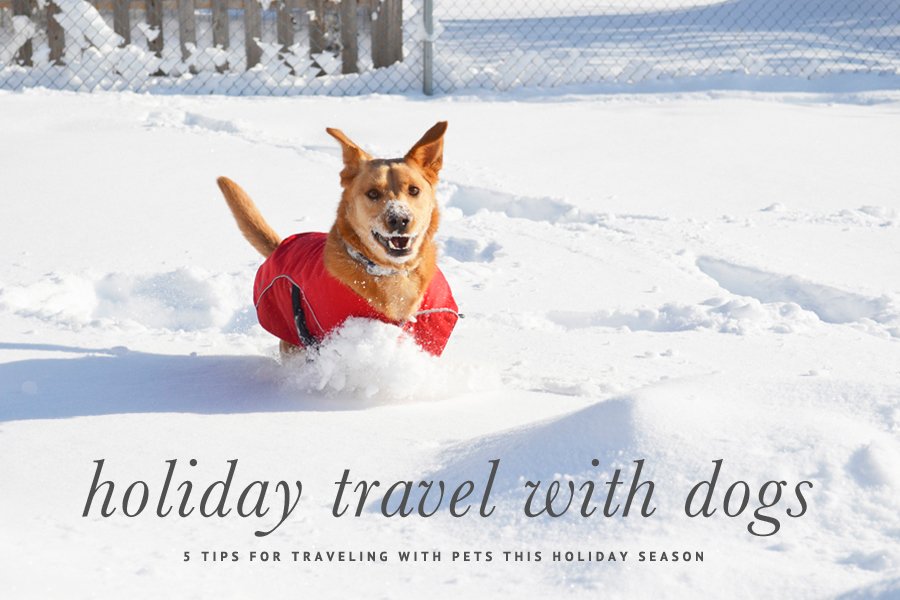
Training and Behavior: Make Travel Low-Stress
The best travel tips for dogs start weeks before you leave. Teach calm, not brave. Short, fun car sits. Calm crate time with a chew. Reward each step so your dog links travel with good things.
Use simple skills. A settle on a mat helps in lobbies and gates. A quiet cue helps in hotels. Touch to hand helps guide your dog in lines. Play airport sounds at low volume while you feed treats to build comfort.
A lesson I learned the hard way: do not try a new harness on travel day. My dog slipped a poor fit clip in a busy lot once. Now I fit gear early, add ID to every item, and practice in real settings like a store lot or a train platform.

Road Trips: Safe, Smooth, and Clean
Car safety is not optional. Strong travel tips for dogs say use a crate tied down or a crash tested harness. Heads out windows look cute but risk injury. Keep windows cracked for air, not wide open.
Plan a break every two to three hours. Offer water and a short sniff walk. Feed a light meal at least two hours before you drive. If your dog drools or gets sick, ask your vet about car sickness meds and try short, calm rides to build tolerance.
Never leave your dog in a parked car. Heat rises fast even on mild days. I plan fuel stops and coffee runs with a walk so my dog comes out first, then I grab what I need.
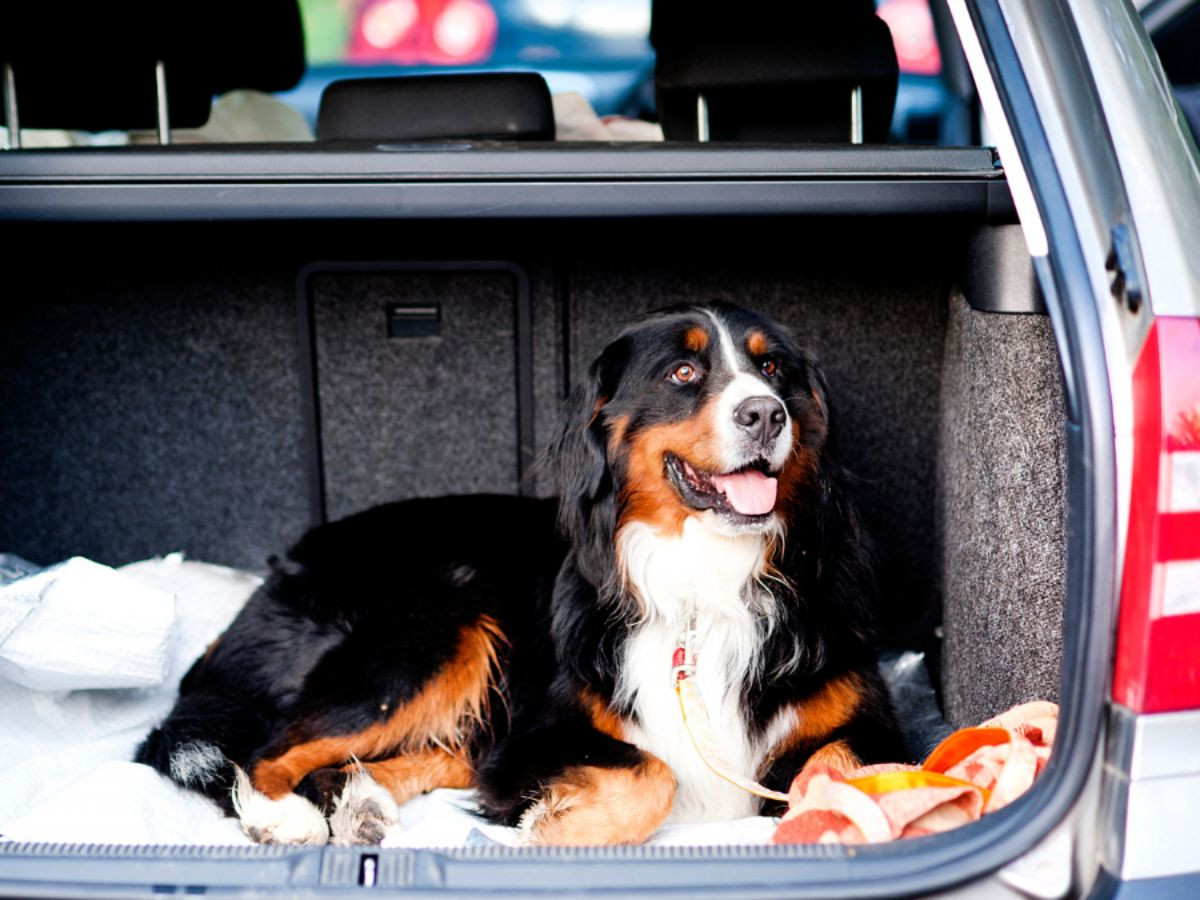
Air Travel: What to Expect and How to Prepare
Air rules vary, so read your airline’s pet policy before you book. These travel tips for dogs cover the basics. Small dogs may fly in cabin in a soft carrier under the seat. Larger dogs may need to go as checked or cargo in a hard crate that meets airline rules.
Book direct flights when you can. Avoid extreme heat or cold times. Label the crate with your name, phone, and your dog’s name. Attach water cups and an absorbent pad. Do crate practice at home so the crate feels safe, not scary.
Check breed limits and age rules. Many airlines restrict flat faced breeds in cargo. Most ask for a health certificate within 10 days of travel. Arrive early, take a long potty break, and keep your routine calm and kind.
Lodging and Etiquette: Staying Welcome Everywhere
Good manners keep doors open. This is a core part of travel tips for dogs. Book pet friendly rooms and ask for a ground floor if stairs are hard. Bring a sheet to cover furniture and a mat for bowls.
Crate your dog if you must step out. It protects your dog and the room. Keep walks quiet at night and clean every spot outside. Leave a tip for housekeeping if there is extra fur.
A small spray of enzyme cleaner has saved me from fees more than once. I wipe paws at the door and run a short sniff walk before the lobby. A calm dog gets a warm welcome.

Outdoor Safety and Activities at Your Destination
Plan fun with safety in mind. Many travel tips for dogs focus on heat, cold, and paws. In heat, walk at dawn and dusk. Bring water and rest in shade. On cold days, watch for paw ice, salt, and frost. Use a balm or booties if needed.
Know local risks. Ticks, fox tails, and snakes change by region. Keep your dog on leash where rules say so. Off leash parks can be great but scan the dogs first and keep sessions short.
Give your dog a “decompression walk” on day one. A slow sniffy stroll lowers stress. After a long ride, ten quiet minutes can reset the whole day.
International Travel and Rules
International trips need early prep. The firmest travel tips for dogs say start three to six months out. Some places need a rabies titer test and a set wait time. Others need vet forms stamped by a government office. A few places still have quarantine.
Read the latest entry rules for your route. Check shots, microchip type, parasite treatments, time windows, and crate specs. Book your vet and paperwork slots early. Miss one date and you may not fly.
On return, you may face new checks. Keep all records in a folder and on your phone. Clear, neat papers smooth the way at borders.
Troubleshooting: Common Travel Problems and Fixes
Even the best travel tips for dogs face bumps. Here are fast fixes that help.
- Barking in hotels Use a white noise app, a covered crate, and a chew. Ask for a room away from elevators.
- Loose stool from stress Feed small bland meals and add a vet approved probiotic. Offer water often.
- Lost dog Plan layers: microchip, GPS tag, and an ID with your cell. Keep a current photo ready to share.
- Itchy skin in new places Rinse paws after walks. Pack wipes and a mild shampoo. Ask a vet if hives or swelling show.
- Picky eater on the road Bring your home food. Add warm water or a spoon of wet food to boost smell.
When in doubt, call a local vet. Many clinics offer same day help. Your calm voice is medicine too.
Frequently Asked Questions
How do I keep my dog calm on a plane?
Practice in the carrier at home with treats and short sessions. Use a familiar blanket and a safe chew to help your dog relax.
Is it safe to sedate a dog for travel?
Most vets advise against sedatives for flights. They can affect breathing and balance, so ask your vet for safer options.
How often should I stop on a road trip with a dog?
Plan a break every two to three hours. Offer water, a potty walk, and a few minutes to sniff and reset.
What documents do I need for domestic flights with a dog?
You often need a health certificate and vaccine records. Check your airline’s policy for carrier size, fees, and timing.
How can I prevent motion sickness in my dog?
Feed a small meal a few hours before travel and keep the car cool. Ask your vet about anti nausea meds and try short rides first.
What size crate do I need for air travel?
Your dog should stand, turn, and lie down with ease. Follow your airline’s crate rules for length, height, and ventilation.
Are all hotels pet friendly?
No, rules vary by brand and location. Call ahead to confirm size limits, fees, and where dogs are allowed.
Conclusion
Great trips with dogs come from smart prep, kind training, and steady routines. Use these travel tips for dogs to plan breaks, pack well, and keep health first. Start small, build skills, and let your dog set the pace.
If this guide helped, try one new tip on your next walk or drive. Share your wins and questions in the comments, and subscribe for more pet travel advice.


