

Traveling In Ireland Tips Ultimate Guide 2026
Pack layers, rent wisely, slow down, and chat locals for richer Irish travel.
If you want practical traveling in ireland tips that work in the real world, you are in the right place. I have looped the Wild Atlantic Way, survived Dublin rain, and learned from wrong turns on tiny boreens. This guide blends friendly advice with expert detail, so you can plan with confidence and enjoy every pub chat and cliff view the island offers.
Plan Your Trip Like A Pro
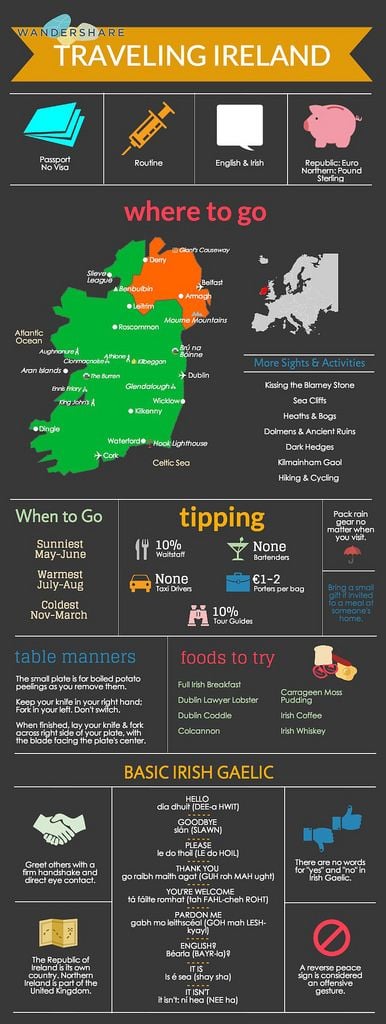
Traveling in ireland tips start with smart planning. Give yourself enough days to slow down and avoid burnout. Ireland looks small on a map, yet roads and weather add time.
- Allow two to three nights per base to cut packing stress.
- Mix cities and countryside for balance and better sleep.
- Check entry rules, passport validity, and travel insurance with your provider and official government guidance.
- Ireland uses the euro. Northern Ireland uses the pound. Plan for both if you cross the border.
- Power plugs are Type G at 230V. Bring a good adapter with surge protection.
Book high-demand sights early. The Book of Kells, Kilmainham Gaol, and the Guinness Storehouse sell out in busy months. For traveling in ireland tips on costs, book rooms with free cancellation and watch prices weekly.

Best Time To Visit And Weather
Weather shapes many traveling in ireland tips. The island is mild, windy, and wet. You can get four seasons in one day, so pack for all of them.
- May and September bring long days and fewer crowds.
- June and July have the most daylight. They also have peak prices.
- Winter charms with cozy pubs and low rates. Some rural sights have shorter hours.
- Expect drizzle any month. Wind on coasts is real. A hood beats an umbrella.
I plan my photo stops for early morning or late evening. The light is soft and crowds are thin. Check daily forecasts, but trust your layers more than the app.
Getting Around Without Stress
Clear traveling in ireland tips save time on the move. You have good options, but they work best when you match them to your plan.
- Trains are comfy between big hubs like Dublin, Cork, Galway, and Limerick. Book seats on busy days.
- Intercity and regional buses reach many towns and airports. Service is frequent on main routes.
- In Dublin, get a Leap card for savings on buses, the Luas tram, and DART trains.
- Taxis and rideshare exist in cities. In small towns, pre-book or ask your host to call one.
If you want remote cliffs and tiny villages, a car helps. In cities, skip the car and walk or use transit. I often do Dublin by foot and rail, then rent a car only when I head west.
Driving In Ireland With Confidence
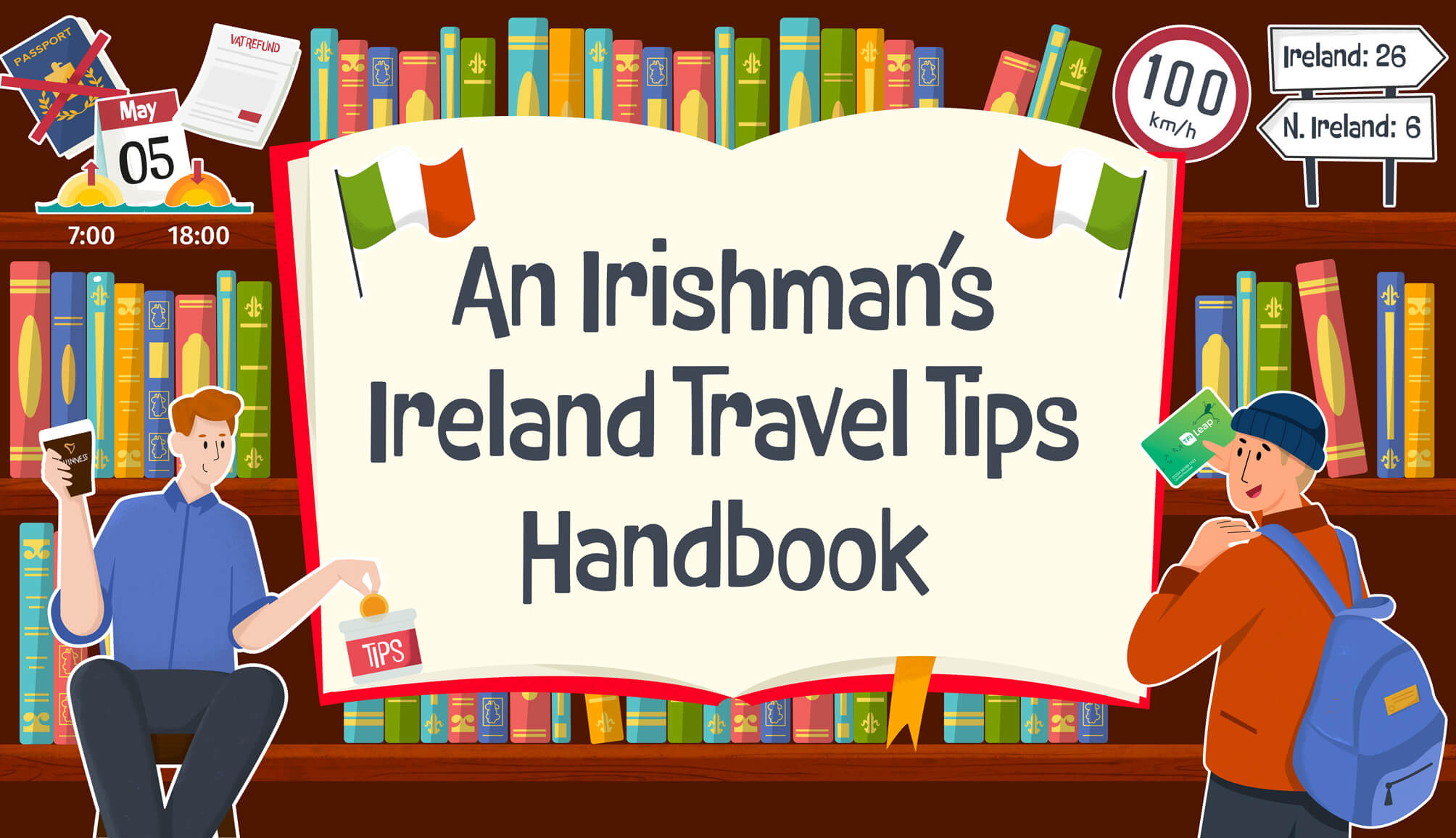
Driving brings freedom, but the best traveling in ireland tips keep you safe and calm. Roads are narrow. Speeds are in km/h. You drive on the left.
- Take the smallest car that fits you. It matters on boreens and in tight parking.
- Roundabouts go clockwise. Yield to traffic on your right. Signal your exit.
- Expect tractors, sheep, and tour buses. Slow down and enjoy the view.
- The M50 in Dublin has a barrier-free toll. Pay online by the next day to avoid fees.
- Add full coverage. Rural scrapes are common. Photograph the car at pickup.
On my first Ring of Kerry loop, I doubled my drive time and loved it. I stopped often, let locals pass, and never rushed a blind bend. Those relaxed miles made the trip.
Money, Costs, And Tipping
Simple, clear money notes are core traveling in ireland tips. Ireland is card friendly, but cash still helps.
- Contactless cards and phone wallets work in most places.
- Carry small cash for rural shops, parking, and pubs on islands.
- Tipping is modest. Round up in pubs. Tip 10 to 12 percent for table service if service was good.
- Non‑EU visitors can claim VAT refunds on eligible shopping. Use one provider and keep receipts.
For budgets, plan ranges per person per day. Backpackers can do 70 to 100 euros with hostels and buses. Mid-range sits around 140 to 220 euros. Splurge trips go higher with boutique hotels and guided tours.
SIM Cards, eSIM, And Staying Online
Reliable internet helps you follow traveling in ireland tips on the go. Coverage is strong on main routes and towns, weaker in remote valleys.
- Buy a local SIM or eSIM with at least 10 to 20 GB for maps and media.
- Free Wi‑Fi is common in hotels, cafes, and visitor centers.
- Download offline maps. Rural spots can drop to 3G or none for short stretches.
- Bring a Type G charger with multiple USB ports to cut clutter.
If you cross to Northern Ireland, roaming rules may change by plan. Check your carrier and set a spend cap.
Culture, Pubs, And Etiquette
The heart of traveling in ireland tips is people. Pubs are living rooms. Good manners open doors.
- Order at the bar unless staff direct you to a table. Start a tab if you will stay.
- Buy your round if you join one. Do not skip your turn.
- Learn a few Irish words. Sláinte for cheers. Craic for fun and banter.
- Ask before taking photos of musicians. Enjoy the tune, not just the clip.
Small talk is easy. Weather, local sports, and places to see next are safe topics. When a local says “You are grand,” you are fine.

Food, Drink, And Dietary Needs
Food has grown rich and local. These traveling in ireland tips will help you eat well on any budget.
- Try seafood on the coasts, farmhouse cheeses, and brown bread with real butter.
- Book hot tables in Dublin, Galway, and Kinsale at least a week ahead.
- Many places label gluten‑free and vegan options. Ask and you will be helped.
- Whiskey tours, craft gin, and stout tastings need timed tickets in peak season.
I like to pair a long hike with a slow pub lunch. A bowl of seafood chowder after a wet walk in Connemara is pure joy.
Safety, Health, And Emergencies
Ireland is safe and welcoming. Still, smart traveling in ireland tips keep small issues small.
- Dial 112 or 999 for emergencies.
- Tap water is safe in most towns. If in doubt, ask your host.
- Pack your meds and a small first aid kit. Pharmacies are helpful and wide-spread.
- Keep back from cliff edges. Wind gusts are strong and fast.
Buy travel insurance for health, delays, and rental cars. Check what your credit card already covers.
What To Pack For Irish Weather
Your bag should match Irish skies. The best traveling in ireland tips focus on layers and dry feet.
- A light, waterproof jacket with a hood.
- A warm mid‑layer like fleece or a light puffer.
- Waterproof shoes or boots with grip.
- A compact daypack with a dry bag for camera and phone.
- A wool hat and gloves, even in summer near the sea.
- A refillable water bottle and a small thermos for tea.
Add a bright vest if you plan dusk walks on country roads. Visibility saves lives.
Sample Itineraries You Can Steal
Use these sample routes as a base. They fit classic traveling in ireland tips while leaving room for your style.
- 7 days classic south and west
- Day 1 to 2: Dublin for Trinity College, Kilmainham Gaol, and neighborhood walks.
- Day 3: Train or drive to Galway. Explore the Latin Quarter.
- Day 4: Connemara loop or Aran Islands day trip.
- Day 5: Cliffs of Moher and the Burren. Overnight in Doolin or Ennis.
- Day 6 to 7: Killarney for the Ring of Kerry or Dingle for Slea Head.
- 10 days wild coast focus
- Add Westport and Achill Island, then head to Dingle, Killarney, and Kinsale.
- 10 days with Northern Ireland
- Dublin to Belfast for murals and Titanic history, Giant’s Causeway, and the Antrim coast, then on to Donegal and Sligo.
Always check drive times and sunset. I set fewer bases and more day trips to avoid packing chaos.
Hidden Gems And Real Moments
Local flavor lifts your trip. These traveling in ireland tips go beyond the headline sights.
- Hike Slieve League in Donegal for vast sea cliffs with fewer crowds.
- Drive the Beara Peninsula for a quieter, twisty, epic loop.
- Explore the Burren’s limestone and rare flowers in spring.
- Take a seaweed bath in Sligo or a cold‑water dip with locals.
- Catch a GAA match for raw sport and fierce pride.
Ask your host for tonight’s trad session. Some of my best nights were in small rooms with big music.
Sustainable And Responsible Travel
Good traveling in ireland tips care for place and people. Leave the island better than you found it.
- Use public transit where it fits. Carpool or share taxis in rural areas.
- Stay in locally owned lodgings and buy crafts from makers, not mass shops.
- Stick to paths on dunes and bogs. These lands are fragile.
- Bring a reusable bottle and cup. Say no to extra packaging.
Slow travel is kind to the planet and your nerves. Fewer moves, deeper joy.
Smart Booking, Passes, And Time Savers
A few tools stretch your time and budget. These traveling in ireland tips cut lines and costs.
- Book timed tickets for popular Dublin sights.
- Consider heritage passes if you will see many state sites.
- Free national museums in Dublin make great rainy-day picks.
- Start early. Many big sights are quiet at opening and near sunset.
I batch bookings on one evening per week before a trip. It keeps me calm and flexible.
Photography And Drone Basics
The light is magic, and the wind is wild. Bring care to your shots and flights.
- Shoot at golden hour for soft tones and calm seas.
- Keep spare batteries warm and dry. Rain drains gear fast.
- Drone use has rules set by the aviation authority. Avoid people and protected sites, and check local signs before you launch.
When wind picks up, I ground the drone and switch to handheld video. Safety first, gear second.
Frequently Asked Questions of traveling in ireland tips
Is Ireland expensive for travelers?
Ireland can be pricey in summer. Travel in shoulder seasons, book early, and mix paid sights with free walks to save.
Do I need a car to see the best spots?
No, but a car helps for rural coasts and small villages. Use trains and buses between cities, then rent a car for a few days.
What is the best month to visit?
May and September are sweet spots for weather and crowds. June and July have long days but higher prices.
Can I drink tap water across the country?
Yes, tap water is safe in most places. If unsure in a rural area, ask your host or buy bottled water.
How much should I tip?
Tip 10 to 12 percent for table service if happy. In pubs, round up or leave small change.
Is it safe to drive on the left if I never have?
Yes, with care. Choose a small car, avoid city centers at first, and take your time on rural roads.
Conclusion
Ireland rewards the curious and the unhurried. Use these traveling in ireland tips to book smarter, pack lighter, and leave room for surprise. Plan the big moves, then say yes to small moments, like a chat at the bar or a rainbow after rain. If this guide helped, share it, subscribe for more travel guides, or leave a comment with your own hard‑won tips. Enjoy the road ahead.


