

Travel Tips For Greece 2026 Insider Guide To Islands
Plan for shoulder seasons, smart ferry bookings, cash backups, and sun-safe, respectful travel.
I have planned, booked, and led trips across the mainland and islands for years. In this guide, I share proven travel tips for Greece that save time, money, and stress. You will learn when to go, how to move, what to pack, and how to eat well while respecting local ways. Read on for expert advice that turns a good trip into a great one.
When to visit and how to avoid crowds
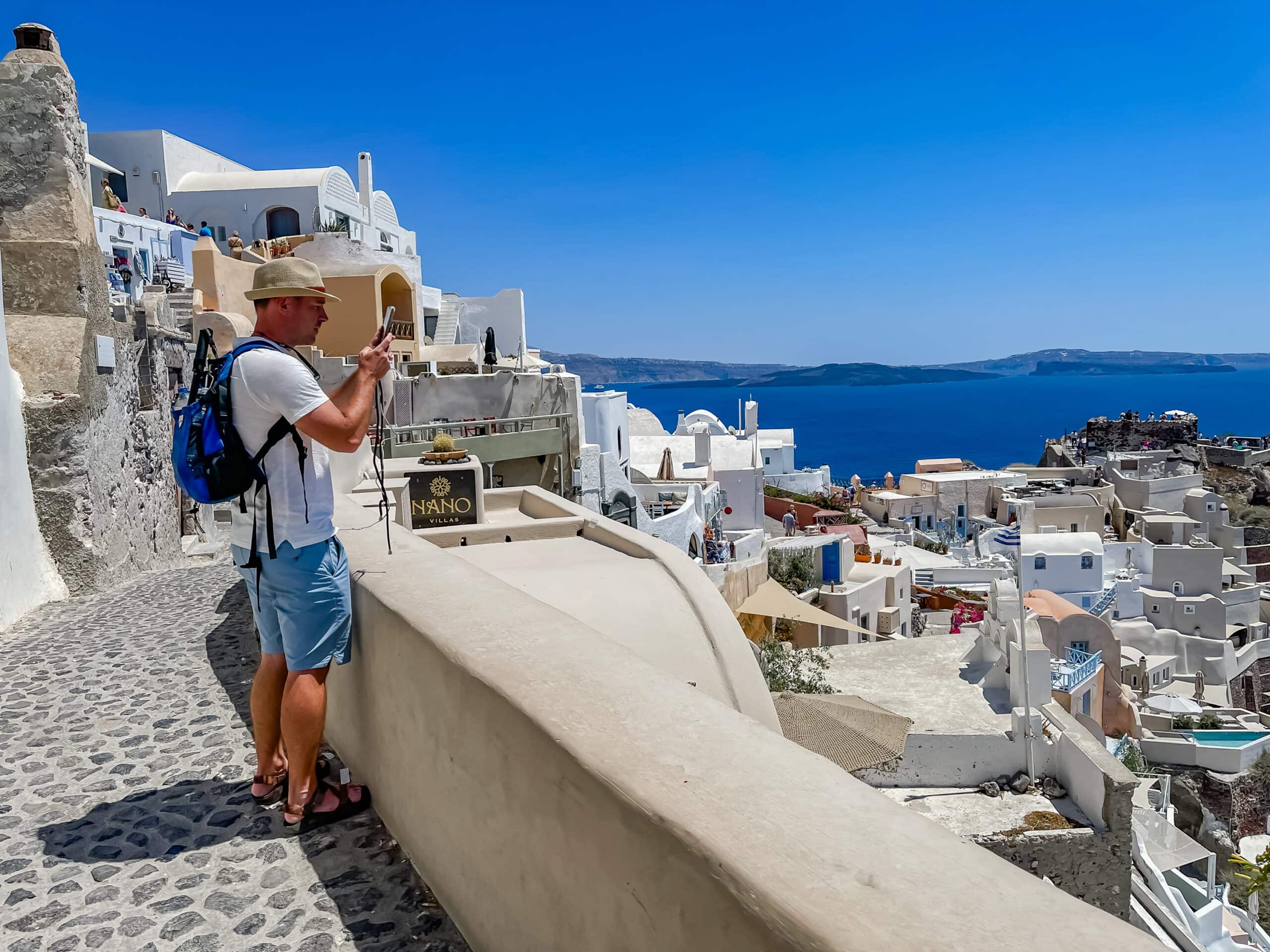
These travel tips for Greece start with timing. Aim for April to early June and mid-September to October. The weather is warm. Prices are fair. Crowds are thinner.
July and August bring high heat and high costs. The meltemi winds can rock fast boats in the Cyclades. Book rooms and ferries early in summer. Plan shade breaks at noon.
A personal note. One July in Naxos, I moved beach time to early morning. I took long lunches at 2 p.m. Then I explored towns at dusk. That rhythm made the heat easy and the streets calm.

Entry rules, visas, and documents
For most visitors, Greece is in the Schengen Area. Check if you need a visa before you fly. Your passport should be valid for at least three months beyond your stay. Keep a digital copy of key papers.
Bring a driver’s license if you plan to rent a car. Some rental firms ask for an International Driving Permit. Confirm with your agency before you book. These travel tips for Greece help you avoid desk surprises.
:max_bytes(150000):strip_icc()/is-travel-to-greece-safe-1526218-v7-5c17f93646e0fb000137c4da.png)
Getting around: flights, ferries, and roads
Island links are simple once you know the system. Ferries run often in peak season and less in winter. Big car ferries are slower but stable. Fast catamarans save time but can bounce in wind.
Book ferry seats ahead in summer. Arrive 45 to 60 minutes before departure. Piraeus is busy and large, so add buffer time. Keep a small bag with snacks and a light jacket. Cabins and upper decks can feel cool.
For driving, roads on the mainland are good with tolls on major routes. On islands, roads are narrow. Drive slow and pull over to let locals pass. In Athens, the metro is fast and easy. Taxis use meters, and ride-hail apps connect you with licensed cabs.
I once took a 7 a.m. Blue Star from Piraeus to Paros. I chose a slower ferry to avoid seasickness. I worked on deck with coffee and reached by noon. That calm start set the tone for the week. These travel tips for Greece favor comfort over speed when seas are rough.

Money, budget, and payments
Cards are widely accepted. Still, carry some euros. Small shops, kiosks, and remote tavernas may prefer cash. Use ATMs from major banks to avoid high fees. Decline currency conversion at ATMs and terminals.
Plan daily costs. On islands, a mid-range day might include breakfast pastry, a simple lunch, sunbed rental, dinner with wine, and local transit. Prices rise in hot spots like Santorini and Mykonos. Compare rates across islands to stretch your budget.
Tip 5–10% in restaurants for good service. Round up for taxis. Keep small coins for church boxes and public restrooms. These travel tips for Greece keep payments smooth and polite.
Health, safety, and travel insurance
The sun is strong. Wear SPF 30+, a hat, and light clothes. Drink water often. Carry a reusable bottle. Tap water is safe in Athens and most of the mainland. On some islands, it may be brackish. Ask your host.
Pharmacies are excellent and easy to spot with a green cross. The EU emergency number is 112. Buy travel insurance that covers medical care, delays, and lost bags. These travel tips for Greece protect both your health and your plans.
Culture, etiquette, and language basics
Greeks are warm and proud of their culture. A simple kalimera (good morning) and efharistó (thank you) go far. Dress modestly in monasteries and churches. Shoulders and knees covered is a safe rule.
Expect late meals. Lunch may be at 2 p.m., dinner at 9 p.m. Do not rush a taverna meal. Look for the basket near toilets. In older plumbing, toss paper in the bin, not the bowl.
Easter is the big holiday. August is peak vacation time. Some small shops close midday. These travel tips for Greece help you fit the local rhythm.

Smart packing and what to wear
Pack light, breathable clothes. Choose sturdy sandals for stones and steps. Add water shoes for rocky beaches. Bring a light sweater for breezy nights and boats. Sun gear is a must.
Carry a small first-aid kit, motion-sickness tablets, and rehydration salts. Bring a universal adapter. Greece uses 230V and Type C/F plugs. A foldable tote helps for markets and beach runs.
I once skipped water shoes on Milos and learned fast. The lava rock was sharp. Since then, I always pack them. These travel tips for Greece come from trial and error so you do not repeat my mistakes.
Island-hopping strategy that works
Less is more. Pick two islands for a week, three for ten days. Mix vibes. Pair a classic like Santorini with a calmer island like Naxos or Paros. Crete is vast. Treat it as its own trip or focus on one region.
Sample 7-day plan
- Athens 2 nights. See the Acropolis early. Explore the Plaka and the National Archaeological Museum.
- Ferry to Naxos 3 nights. Beaches, Old Town, and a farm-to-table dinner in the hills.
- Ferry to Santorini 2 nights. Oia at sunrise, a caldera hike, and a winery at sunset.
Book ferries first, then rooms near ports or towns. Leave one buffer day before your flight home. Weather or strikes can shift plans. These island-hopping travel tips for Greece keep your route smooth.

Food and dining tips you will use
Order like a local. Share many small plates. Try dakos, grilled octopus, saganaki, and horta with lemon. Ask for the catch of the day. House wine can be a good deal.
Look for places with Greeks at the tables. Menus with daily specials on a chalkboard are a good sign. Breakfast is light. Coffee culture is strong. Freddo espresso is the summer favorite.
I ask the server, What would you eat today? That question has led to the best meals of my trips. These travel tips for Greece turn dinners into memories.
Connectivity, navigation, and useful apps
Buy an eSIM before you go or a local SIM on arrival. Coverage is good in cities and most islands. Download offline maps. Save key spots and ferry ports.
Use Ferryhopper to see routes and times. For taxis, Beat works well in cities. In Athens, the metro is clear and fast. Keep hotel addresses in Greek in case your driver needs them.
These travel tips for Greece put the right tools in your pocket, even when signal drops on remote beaches.
Sustainable and respectful travel
Choose family-run stays and tavernas. Refill a bottle at public fountains where safe. Skip single-use plastics. Stay on marked paths at sites like Meteora and Delos.
Respect sacred spaces. Drones are restricted in many areas. Ask before filming people. Do not take stones, pottery, or sand. Support local guides and artisans.
I book at least one local tour on each trip. The stories deepen the place. These travel tips for Greece help you give back more than you take.
Frequently Asked Questions of travel tips for greece
What is the best month to visit Greece?
Late May, June, and September are ideal. You get warm seas, mild heat, and fewer crowds than in July and August.
Do I need cash or will cards be enough?
Cards work in most places, but carry some euros. Small shops, taxis on islands, and beach kiosks may prefer cash.
Is tap water safe to drink?
It is safe in Athens and much of the mainland. On some islands, taste and quality vary, so ask your host or buy bottled water.
How many islands should I visit on a 10-day trip?
Aim for two or three islands close to each other. You will spend more time enjoying and less time packing and sitting on boats.
Should I rent a car in Greece?
Rent a car for Crete, the Peloponnese, or rural islands. In Athens, use the metro and taxis because traffic and parking are hard.
Conclusion
Greece rewards smart planning with deep joy. Set your dates well, pack with purpose, and move at an easy pace. Use these travel tips for Greece to save money, dodge stress, and connect with the people and places that make it special. Now pick your dates, sketch your route, and start booking the trip you will talk about for years. If this guide helped, share it, subscribe for more, or ask a question in the comments.


