

Travel Tips To Italy: Ultimate 2026 Guide For First-Timers
Plan ahead for Italy: travel light, prebook trains, respect ZTL, learn basics.
Italy rewards careful planning and a curious mind. In this guide, I share proven travel tips to Italy drawn from years of trips, itinerary design, and on-the-ground lessons. If you want practical steps, cultural insight, and expert advice you can trust, keep reading. These travel tips to Italy will help you save time, avoid stress, and enjoy the art, food, and history with confidence.

Plan Your Itinerary With Smart Clusters
Italy looks small on a map, but travel can eat hours. Group cities by region to cut backtracking and reduce stress. Pick one or two hubs, then add easy day trips by train or car. Slow down and give time for piazzas, long lunches, and sunset strolls.
Use the rule of threes for first trips. Choose three bases, such as Rome, Florence, and Venice. Add one countryside stop if time allows. This keeps pace steady and leaves room for surprises. These travel tips to Italy favor depth over speed.
Here is a simple flow I use:
- North focus: Milan as a hub, then Lake Como and Venice. Add Verona or the Dolomites.
- Center focus: Florence for art, then Siena or Chianti. Add Pisa or Lucca.
- South focus: Naples for pizza and Pompeii, then the Amalfi Coast. Add Capri or Matera.

Best Time To Visit And Seasonal Advice
Spring and fall are kind to both crowds and heat. April, May, late September, and October bring mild days and golden light. Summer means long lines and high prices. Winter is calm and great for museums and food, but some coastal spots go quiet.
Watch for holidays and events. Easter, national holidays, and big festivals can affect hours and transit. Book key sights and trains early for those dates. One of the best travel tips to Italy is to aim for weekdays and early mornings for big sites.
Weather basics:
- Summer: Hot in cities, cooler in the Alps. Book air conditioning.
- Winter: Damp in the north, mild in the south. Pack a warm layer.
- Shoulder seasons: Ideal for walking, markets, and wine regions.

Entry, Visas, And Travel Insurance
Most travelers from visa-exempt countries can enter the Schengen Area for up to 90 days in any 180-day period. Your passport should be valid for at least three months beyond your planned departure and often must be issued within the last ten years. Some visitors may need electronic travel authorization; check official guidance before you book.
Buy travel insurance that covers medical care, trip delay, and baggage. Carry print and digital copies. If you have a European health card, bring it as well. Sensible paperwork is one of the most overlooked travel tips to Italy.
Money, Budgeting, And Tipping Norms
The euro is standard. Cards are widely used, but small shops and rural stops may prefer cash. Use bank ATMs inside branches and decline dynamic currency conversion on card machines.
Tipping is modest. You may see a coperto, a fixed cover charge, on bills. Round up or add a small amount for great service. My go-to travel tips to Italy for dining are simple: check the bill, pay at the table, and keep coins for small cafes.
Budget range per day, per person, without flights:
- Saver: 70–120 EUR with simple meals and hostels.
- Mid-range: 150–250 EUR with hotels and sit-down dining.
- Comfort: 300+ EUR with central stays and private tours.

Getting Around: Trains, Driving, And Local Transit
Trains are fast, frequent, and scenic. High-speed services link main cities. Regional trains connect towns and wine areas. Validate paper regional tickets before boarding. I once forgot and paid a fine. Now I stamp at the platform machines the moment I buy. This is one of my firm travel tips to Italy.
Driving shines in the countryside. Watch for ZTL zones in old towns. These limited-traffic areas have cameras and steep fines. Rent the smallest car that fits your bags. Use parking lots at the edge of town and walk in.
Local transit works well in big cities. Buses and metros use time-based tickets. Many coastal zones also run ferries in season. For trains, compare national and private operators and book early for best fares.

Lodging: Hotels, Agriturismi, And Rentals
City hotels offer easy access and strong service. Agriturismi are farm stays with warm hosts and home cooking. Rentals can be great for families and longer stays. Expect a per-night city tax, paid in cash or card at check-in.
Pick places near transit or key sights to save time. Check for air conditioning in summer and heating rules in winter. My travel tips to Italy for stays are clear: read recent reviews, confirm elevator access, and ask about quiet rooms.

Eating And Drinking: How To Order And What To Expect
Meals follow a simple rhythm. Coffee and a pastry in the morning. A light lunch. An aperitivo before dinner. Dinner runs late, and kitchens may open after 7 pm. Reserve for popular spots.
Order water by asking for naturale or frizzante. Bread and cover charges may appear on the bill. House wine is often great value. Regional dishes vary by town, so try what locals eat. For food lovers, key travel tips to Italy include tasting small plates at markets and booking one food tour per trip.
Culture, Etiquette, And Safety Essentials
Dress modestly in churches. Shoulders and knees covered is the norm. Greet with a buongiorno or buonasera. Learn a few words; it goes far. Keep voices low in shared spaces.
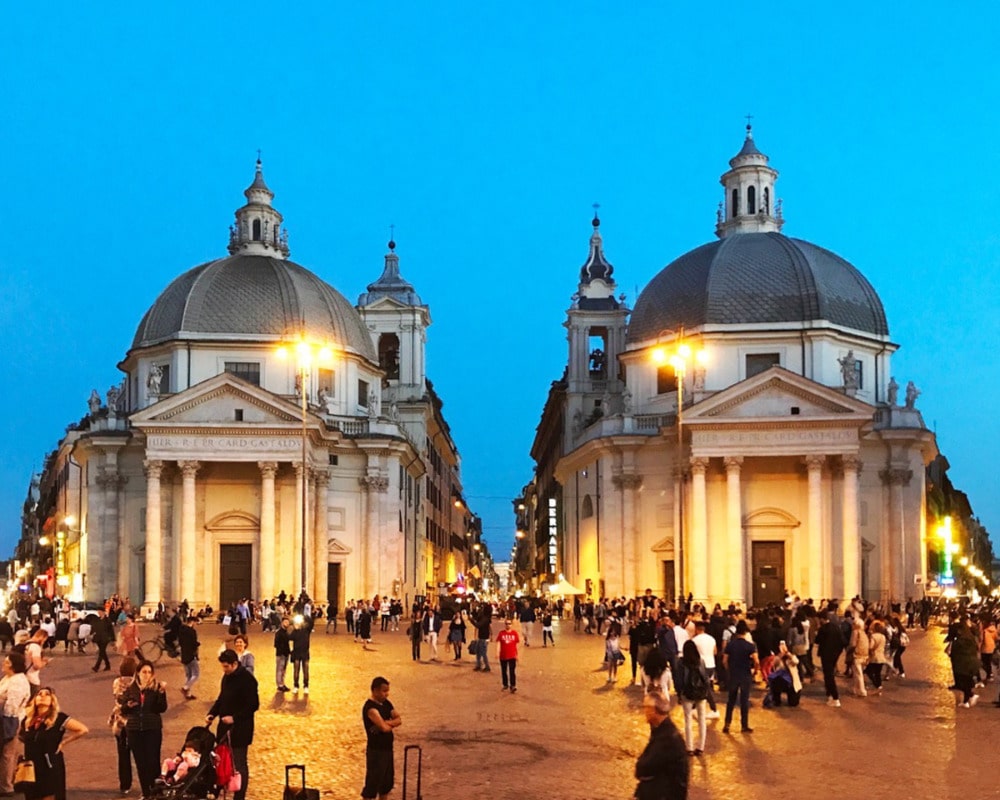
Stay alert in crowds. Use a money belt or zip bag. Common scams include distraction tricks and fake petitions. Dial 112 for emergencies. Tap water is safe in most places. Simple respect and calm habits are core travel tips to Italy.
Packing List And What To Wear
Pack light. Cobblestones demand sturdy, broken-in shoes. Use layers that mix and match. A scarf helps with both style and church visits. Bring a compact umbrella in shoulder seasons.
Italy uses 230V power with Type F and L plugs. Bring a quality adapter and a small power strip. Add a refillable bottle, sunscreen, and any meds. I keep paper copies of IDs in a separate bag. Packing smart is one of the most powerful travel tips to Italy.
Connectivity, SIM Cards, And Essential Apps
An eSIM or local SIM keeps you online with easy plans. Prices are fair, and speeds are solid in cities. Buy from a carrier store for clear terms.
Load key apps before you go. Use rail apps to check platforms. Add a map with offline areas saved. A translation app helps with menus. Keep WhatsApp for messages. A small battery pack is vital. Digital prep sits high on my list of travel tips to Italy.
A Practical 10-Day Italy Itinerary
Use trains for this classic route. Add day trips if you like a faster pace. Keep time buffers around transfers and major sights.
Sample plan:
- Days 1–3: Rome. Colosseum, Forum, Vatican Museums. Early starts help.
- Days 4–5: Florence. Duomo, Uffizi. Day trip to Siena or Pisa.
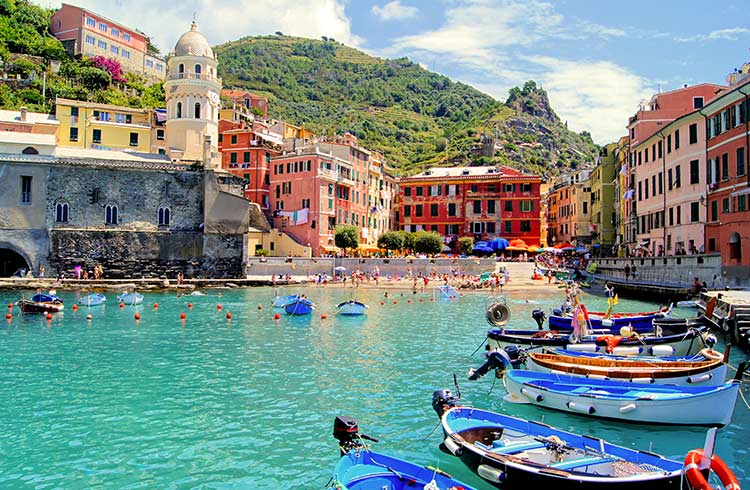
- Days 6–7: Cinque Terre. Hike in the morning. Boat between villages.
- Days 8–10: Venice. St. Mark’s, Doge’s Palace, island hop to Murano and Burano.
Tip: For each city, prebook two must-see sites and leave the rest free. This is one of my favorite travel tips to Italy for balance.
Mistakes To Avoid And Time Savers
Do not plan five cities in five days. Travel time adds up. Book skip-the-line tickets for major museums. Many close on Mondays, so check hours.
Eat lunch before 2 pm in small towns or plan for a late meal. Confirm strike news on travel days. Share your live location with a friend. The simplest travel tips to Italy often save the most time.
Frequently Asked Questions of travel tips to italy
What is the best month to visit Italy?
April, May, late September, and October offer mild weather and smaller crowds. You get good light, open sites, and better prices than peak summer.
Do I need cash, or will cards work everywhere?
Cards work in most places, but small shops and markets may prefer cash. Carry some euros for taxis, tips, and rural stops.
Is it safe to drink tap water in Italy?
Yes, tap water is safe in most cities and towns. Public fountains often provide drinkable water; look for signs that say it is safe.
How early should I book trains and museums?
Book high-speed trains and major museums two to four weeks ahead. Peak dates and mornings sell out first.
What should I wear to visit churches?
Cover shoulders and knees. A light scarf or wrap works well and keeps packing simple.
Is driving in Italy hard for first-timers?
Cities are tough due to ZTL zones and narrow streets. Driving shines in the countryside; rent small and park outside old towns.
How much should I tip at restaurants?
Tipping is modest. Round up or add 5–10 percent for great service if no service charge is listed.
Conclusion
A great Italian trip blends smart planning with slow moments. Choose tight route clusters, book the essentials, and leave space to wander side streets and vineyards. With these travel tips to Italy, you can move with ease, eat well, and enjoy more art, views, and warm talks than stress.
Ready to plan your route and book your first two must-see stops? Put these steps into action today, subscribe for more guides, and share your questions in the comments.


