

Uganda Travel Guide [Top Sights, Safaris & Tips 2026]
Uganda travel guide: essential tips, top sights, safety, visas, and costs.
Uganda offers wild beauty, warm culture, and rare wildlife in one compact trip. In this Uganda travel guide, I share proven routes, current rules, and field-tested tips from years of on-the-ground work across parks, cities, and remote trails, so you can plan with confidence and travel with ease.
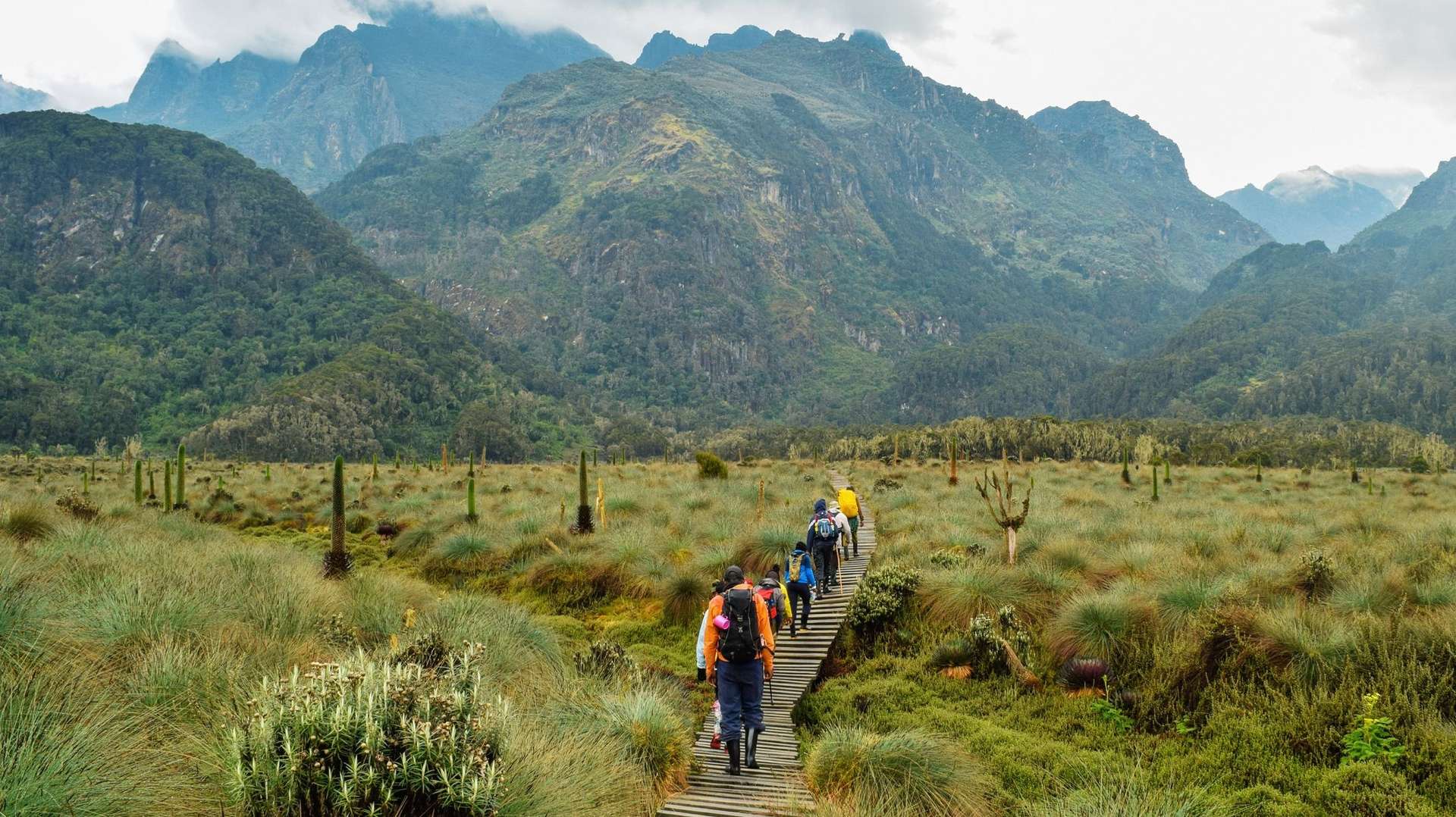
Why visit Uganda now?
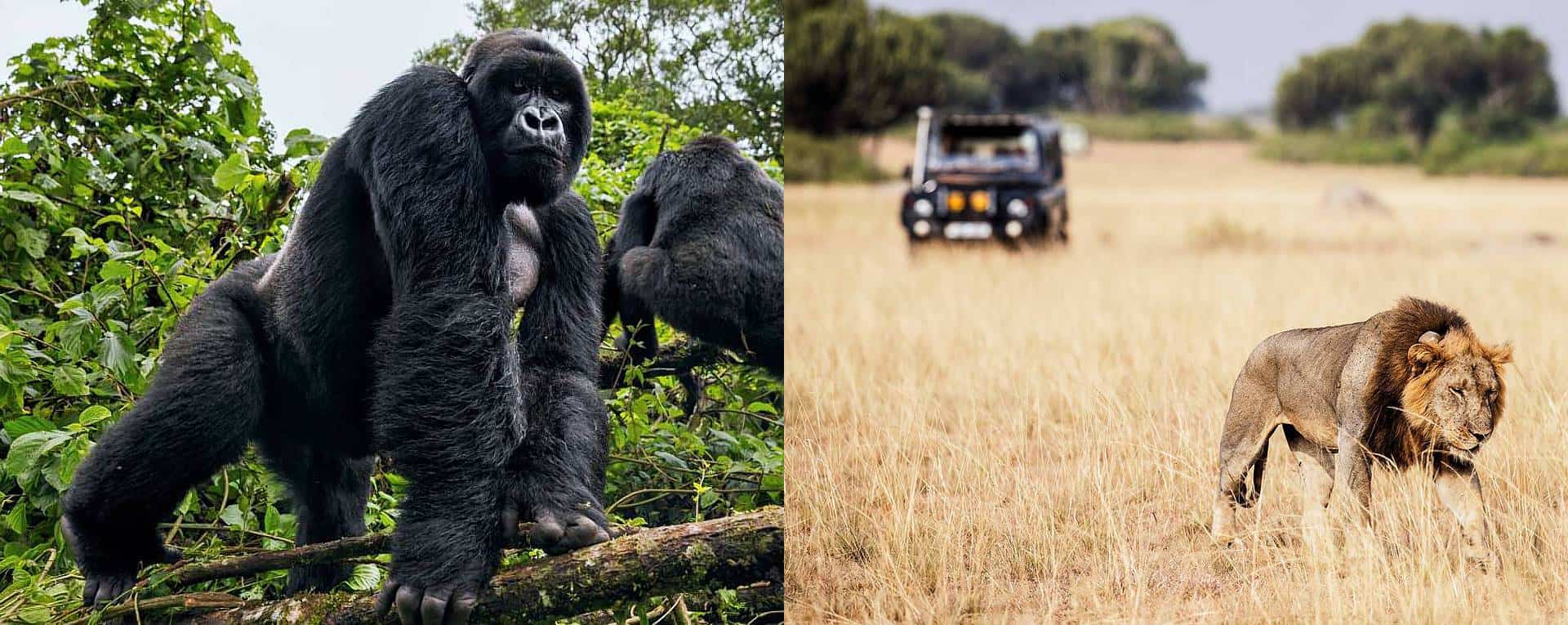
Uganda rewards curious travelers with variety and value. You can trek with mountain gorillas, watch tree-climbing lions, cruise past hippos, and raft the Nile, all within a few days’ reach. This Uganda travel guide shows how to connect those highlights without wasting time or money.
On my most recent circuit, I moved from misty Bwindi to sunlit savanna in one day. The contrast felt like visiting two countries in a single trip. You can build the same range into your plan.

Best time to visit and weather
Uganda sits on the equator, so temperatures stay mild year-round. The main dry seasons are June to September and December to February. Trails are firmer, roads hold up better, and wildlife is easier to spot around water.
Rainy months are March to May and October to November. Showers are common but often short. Gorilla and chimp trekking run year-round, though trails get muddy. If you want lush forests and fewer crowds, the shoulder months can be a sweet spot.
Tip from the trail: I carry light trail shoes plus simple gaiters in the rains. My feet stay dry, and I walk faster on slick clay.
Entry requirements, visas, and permits
Most travelers need a visa. Apply online for an e-visa before you fly. Some visitors report visas on arrival, but rules change, so confirm with official channels and your airline. The East Africa Tourist Visa covers Uganda, Kenya, and Rwanda for 90 days.
A yellow fever vaccination certificate is required for entry. Malaria is present, so talk to a travel doctor about prophylaxis. Your passport should have at least six months’ validity and blank pages.
Gorilla trekking needs a permit booked well in advance. Expect around 800 USD per person for Bwindi or Mgahinga. Prices and availability change, so check current rates with park authorities or a licensed operator.
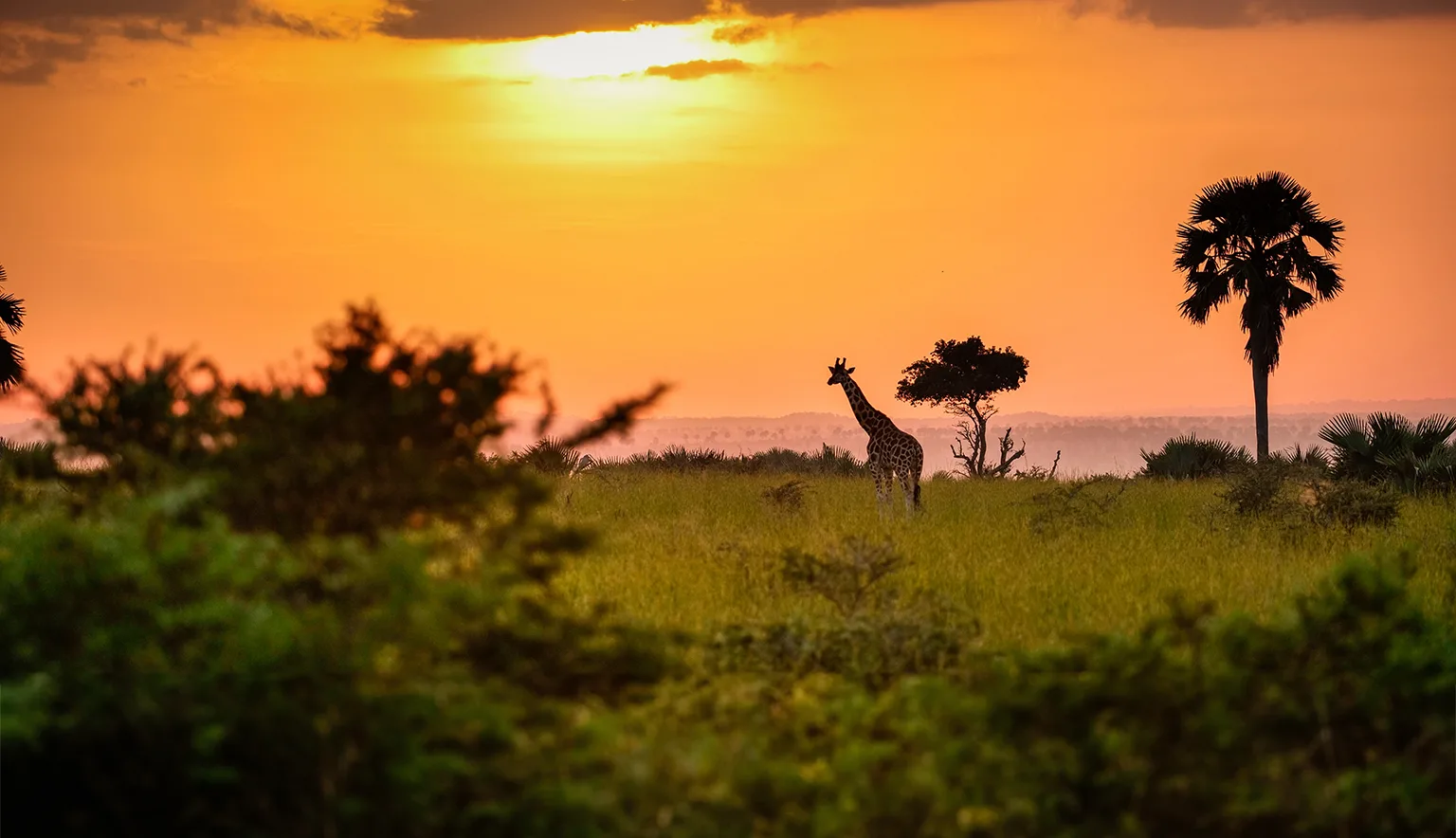
Getting there and around
Most flights land at Entebbe International Airport, about 1 hour from Kampala without traffic. Domestic flights connect Entebbe to parks like Kihihi (for Bwindi), Kasese (for Queen Elizabeth), and Pakuba (for Murchison Falls).
Road trips link most parks and towns. A 4×4 is best in the rainy months. Self-drive is possible for experienced drivers, but I recommend a driver-guide for long routes. It reduces fatigue and adds local insight.
For city hops, use ride-hailing apps and registered taxis. Avoid night driving outside towns. Boda-bodas (motorbike taxis) are quick but high risk; if you must, wear a helmet and choose reputable services.

Money, costs, and budgeting
The currency is the Ugandan shilling (UGX). Bring a debit card and a backup credit card. ATMs work well in cities, and cards are accepted at higher-end lodges. Outside major hubs, cash rules.
Average costs per person per day:
- Budget: 50–100 USD for guesthouses, basic meals, public transport.
- Mid-range: 150–300 USD for nice lodges, guided safaris, domestic flights.
- Luxury: 400+ USD for premium lodges and private guides.
Permits drive costs. Gorilla permits are the big-ticket item. In this Uganda travel guide, I suggest mixing big spends with free or low-cost gems like crater-lake hikes, village walks, and sunset boat rides.
Health, safety, and travel insurance
Uganda is welcoming, and most trips are smooth. Petty theft happens in busy markets and bus parks. Use hotel safes, avoid flashy gear, and keep bags zipped. Buy comprehensive travel insurance that covers evacuation and adventure sports.
Road safety is the main risk. Buckle up, limit night driving, and choose reputable tour operators. LGBTQ+ travelers should be cautious due to restrictive laws and social attitudes. Keep a low profile and follow guidance from trusted local partners.
On my first Kampala visit, I split cash into three stashes and carried only day money. It saved me twice from trip disruption when ATMs were offline.
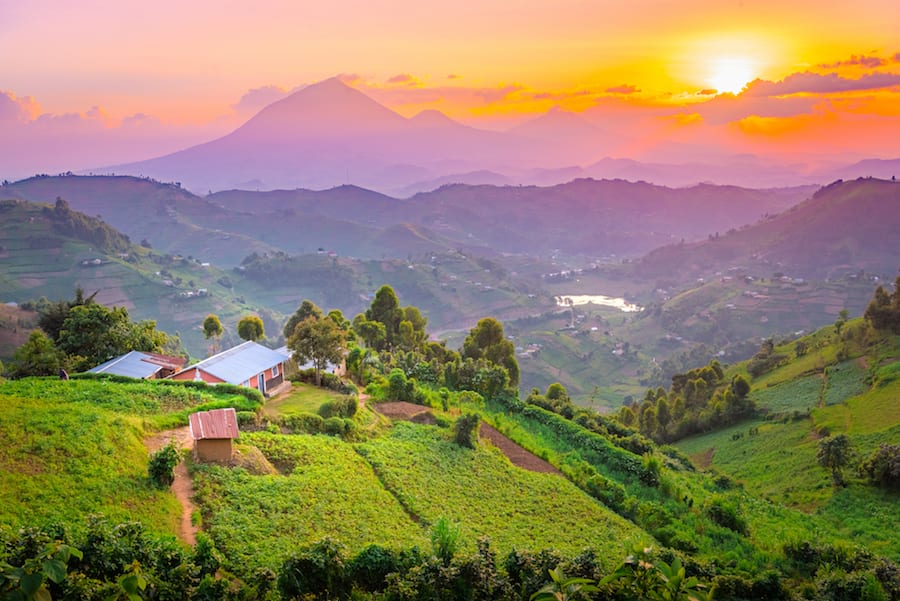
Top destinations and experiences
Uganda shines when you combine forests, savanna, lakes, and culture in one route. This Uganda travel guide maps the best picks for a first or second trip.
Gorilla and chimpanzee trekking
- Bwindi Impenetrable National Park: Iconic gorilla tracking among misty ridges. Expect steep, muddy trails and a once-in-a-lifetime hour with a habituated family.
- Mgahinga Gorilla National Park: Smaller, quieter, with golden monkey tracking and volcano hikes.
- Kibale National Park: Premier chimp trekking and habituation experiences. Turacos and butterflies make the forest come alive.
Guides set a slow pace with breaks. Group size is limited to protect the primates. I suggest garden gloves for vines and nettles, plus a porter to ease the climb and support local jobs.
Classic safari routes
- Queen Elizabeth National Park: Lions, elephants, and the Kazinga Channel boat cruise with hundreds of hippos.
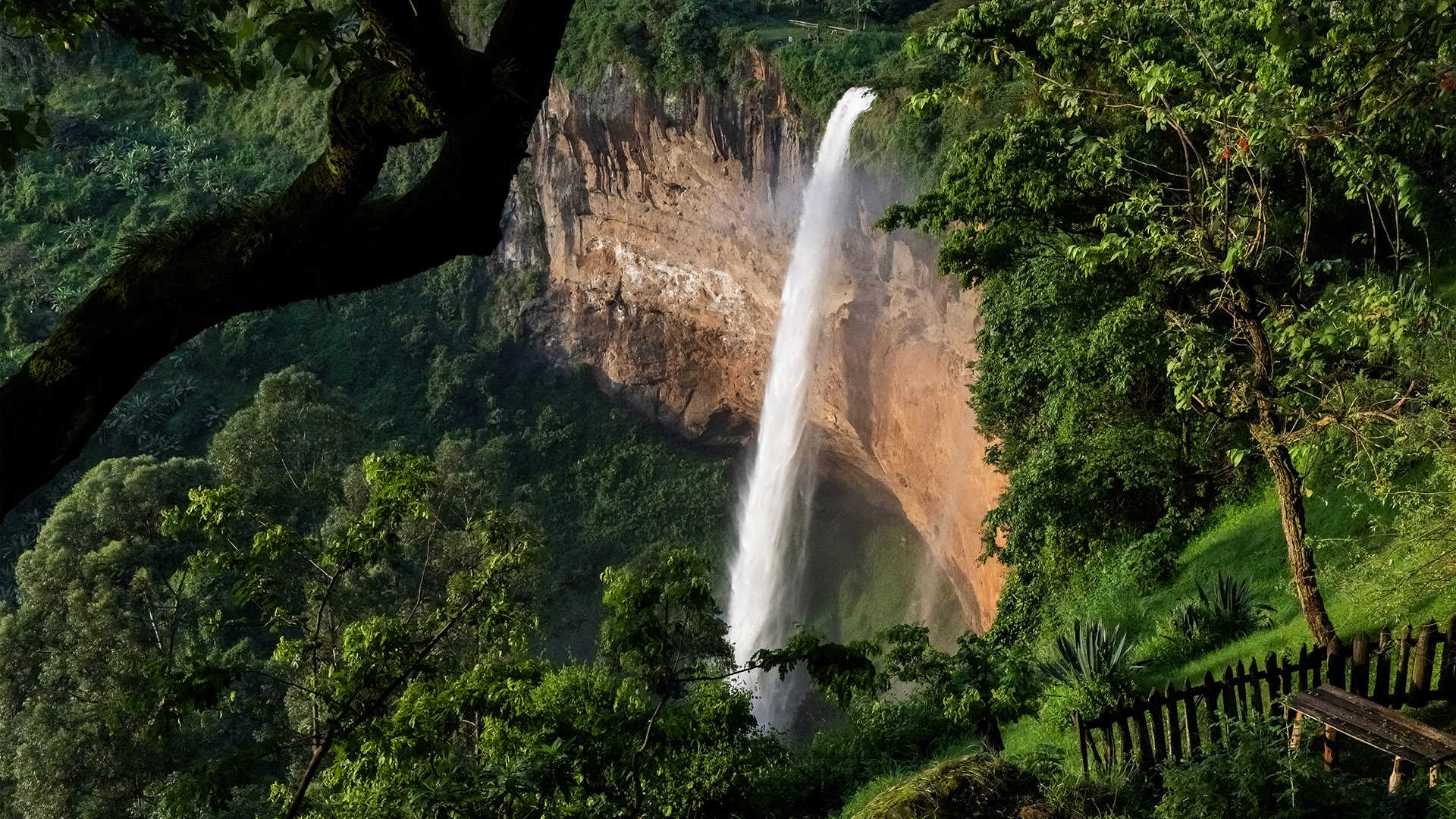
- Murchison Falls National Park: Powerful falls on the Nile, plus giraffes and savanna game.
- Ziwa Rhino Sanctuary: Guided rhino tracking on foot. Round out the Big Five experience.
Adventure on the Nile
- Jinja: Grade IV–V white-water rafting, kayaking, bungee, and horseback rides. Even a sunset SUP feels special with fish eagles overhead.
Culture, craft, and city life
- Kampala: Lively arts, markets, and coffee spots. Try a city food tour at the start to learn the staples.
- Fort Portal and crater lakes: Hikes between tea estates and extinct cones with emerald water.
- Ankole and Kigezi villages: Learn about long-horned cattle, banana beer, and bark-cloth crafts.
Suggested itineraries
Here are sample plans you can tweak to your pace and budget.
- One week highlights
- Day 1–2: Entebbe and Kampala food tour; drive to Kibale.
- Day 3: Chimp trek; continue to Queen Elizabeth National Park.
- Day 4: Game drive and Kazinga Channel cruise.
- Day 5–6: Transfer to Bwindi; gorilla trek.
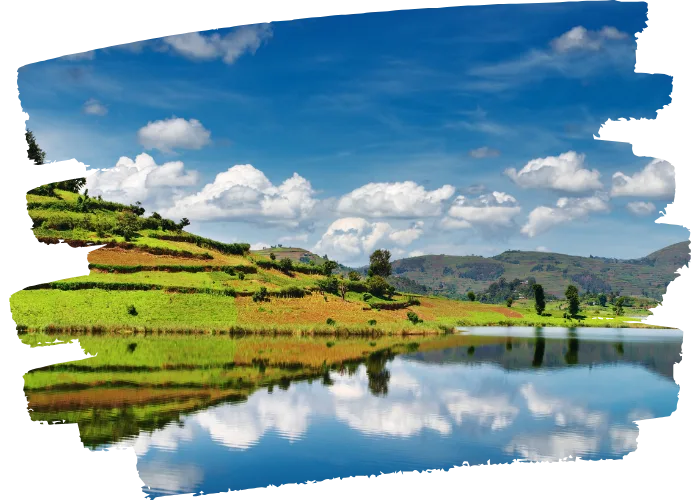
- Day 7: Return via Lake Bunyonyi for a canoe and views.
- Ten to fourteen days grand circuit
- Add Murchison Falls for elephants, giraffes, and the powerful falls.
- Include Ziwa rhinos and a night at a Nile-front lodge.
- End in Jinja for white-water rafting before flying out.
This Uganda travel guide keeps drive times realistic. I cap most drives at 6–7 hours with a scenic lunch stop.

Accommodation and food
You will find everything from homestays to luxury eco-lodges. Near parks, mid-range lodges include full board and guided activities. In cities, boutique hotels and guesthouses work well for shorter stays.
Ugandan food is hearty and fresh. Try:
- Rolex: A chapati rolled with egg, tomato, and onion.
- Matoke with groundnut sauce: A staple banana dish with rich peanut flavor.
- Luwombo: Slow-cooked stew steamed in banana leaves.
- Tilapia and goat skewers: Great with a cold soda or local gin.
In this Uganda travel guide, I suggest sampling a market breakfast on day one. It helps you order with confidence the rest of the trip.
Connectivity, language, and etiquette
Buy a local SIM at the airport with your passport. MTN and Airtel offer wide 4G coverage in towns and along major roads. Many lodges have Wi‑Fi, but speeds vary.
English and Swahili are official languages; Luganda is common around Kampala. Greet first, then ask questions. Dress modestly in rural areas and at community visits. Always ask before taking photos of people.
I learned a few Luganda phrases and saw doors open. A simple “webale” (thank you) goes a long way.
Packing checklist
Pack light, layer smart, and prep for sun and rain. My go-to list:
- Passport, e-visa printout, yellow fever card, and travel insurance.
- Trail shoes, long socks, breathable pants, and a light rain jacket.
- Garden gloves, gaiters, and a small daypack for treks.
- Quick-dry shirts, fleece for cool nights, and a hat.
- Insect repellent with DEET or picaridin, sunscreen, and basic meds.
- Binoculars, headlamp, power bank, and universal adapter.
- Reusable water bottle and a few zip bags for leeches and mud.
This Uganda travel guide also suggests a soft duffel for small planes. Weight limits are strict on bush flights.
Responsible and ethical travel
Choose community-led experiences and certified guides. Hire porters even if you feel fit; it supports households and improves trail safety. Keep a 7-meter distance from primates and follow your ranger’s lead.
Limit single-use plastic and refill water where possible. Respect cultural norms, pay fair prices, and tip transparently through staff pools. Ask your lodge how they manage water and waste. Your money shapes local incentives.
I once joined a reforestation walk near Bwindi. We planted seedlings with school kids, then returned a year later to see real shade. Small actions add up.
Frequently Asked Questions of uganda travel guide
Is Uganda safe for solo travelers?
Yes, with common-sense precautions. Stick to daylight travel between towns, use reputable guides, and secure valuables in lodges.
How much cash should I carry?
Bring a mix of cards and about 200–400 USD in crisp notes to exchange. In cities, ATMs work well; in rural areas, cash is best.
Do I need a guide for national parks?
Guides are required for primate treks and recommended for safaris. They spot wildlife faster, handle permits, and improve safety.
Can I see the Big Five in Uganda?
Yes, but rhinos are at Ziwa Sanctuary, not the main parks. Combine Ziwa with Murchison and Queen Elizabeth for the best chance.
What is the best time for gorilla trekking?
June to September and December to February are drier and easier underfoot. Trekking is possible year-round with more mud in the rains.
Are drones allowed in parks?
You need special permits, and most parks restrict recreational drones. Check current rules before packing one.
Is tap water safe to drink?
No. Drink sealed bottled water or use a trusted filter. Many lodges provide safe refill stations.
Conclusion
Uganda offers rare wildlife, bold landscapes, and generous hospitality, all within easy reach. With the right permits, smart routes, and a flexible plan, you can trek with gorillas, cruise the Nile, and share a market meal in one unforgettable journey.
Use this Uganda travel guide to set dates, book key permits, and lock in your route. Ready to plan your trip? Subscribe for updates, ask your questions in the comments, and start building your own Uganda travel guide today.


